
Groundworks
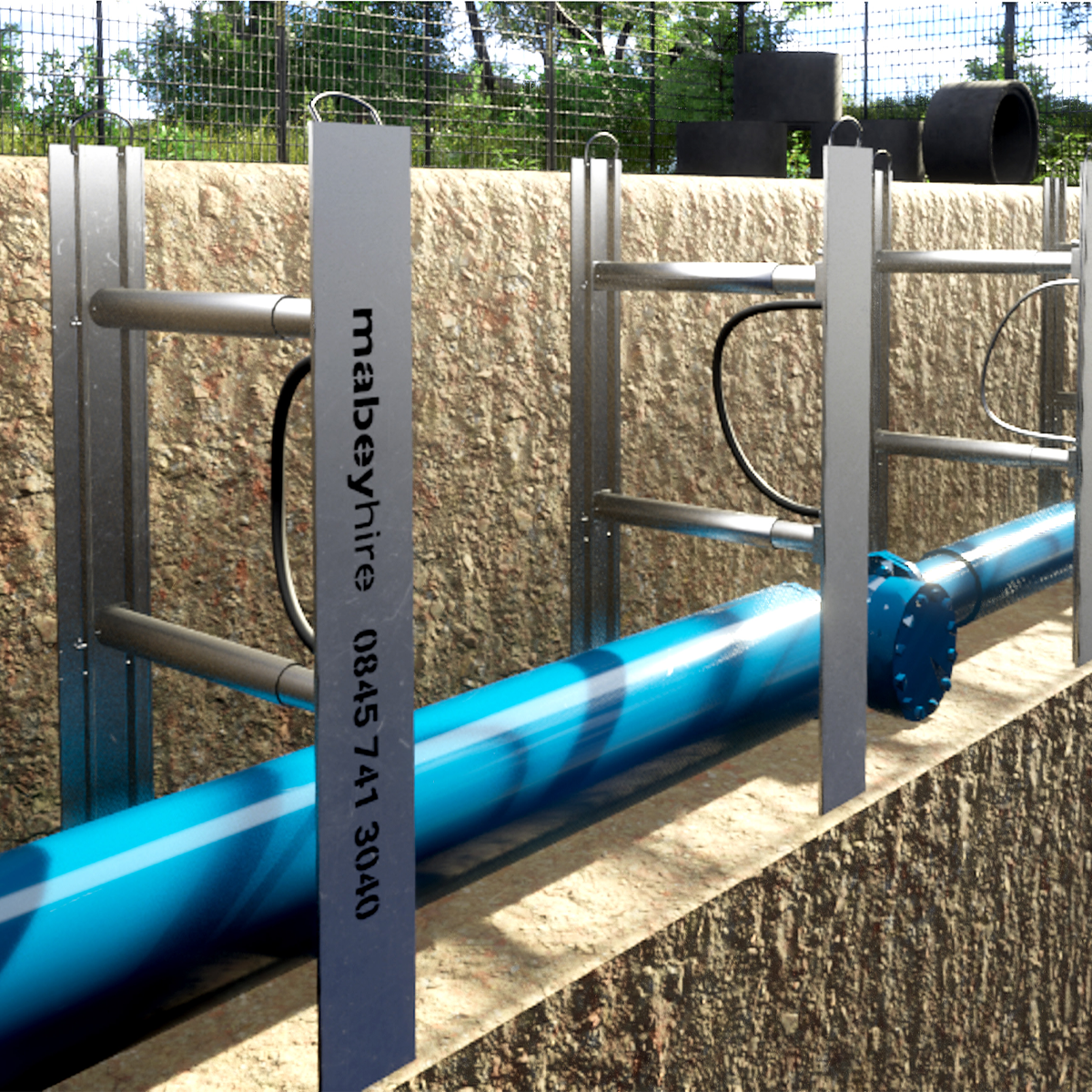
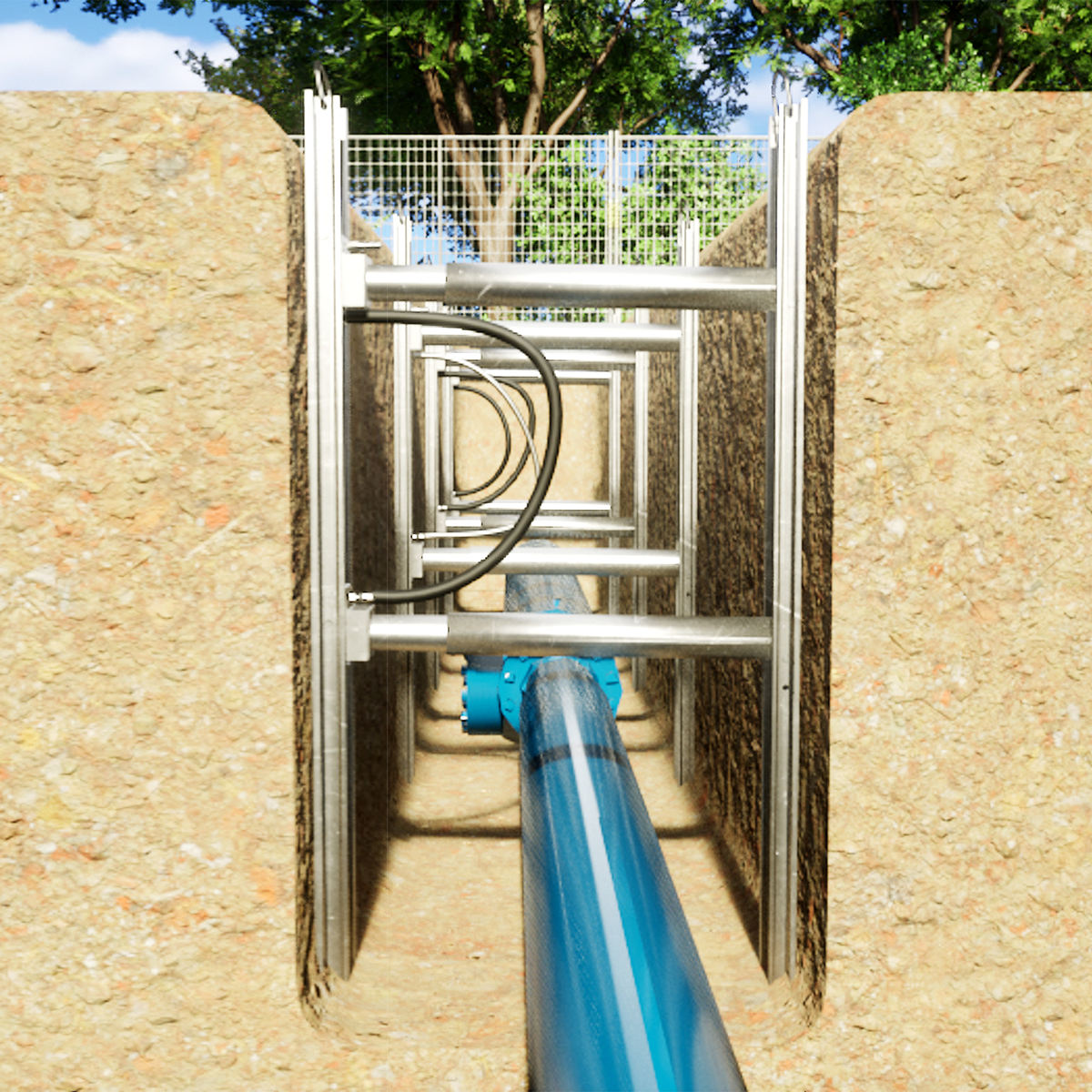
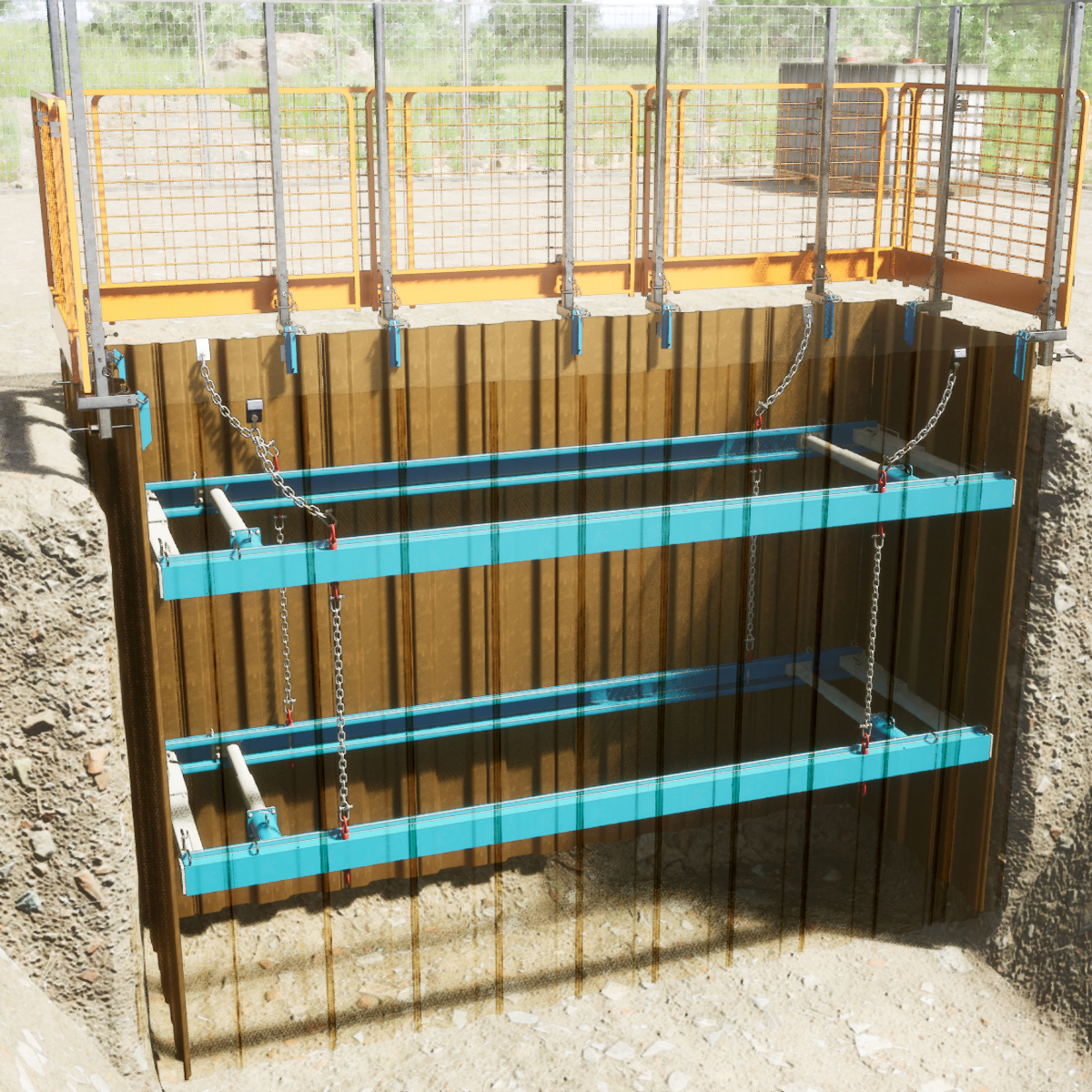
Product TypeGroundworks are a vital part of any large-scale construction project, providing the temporary support needed to carry out safe and efficient excavation. Whether it's deep trenching on utility schemes or ground retention on major infrastructure works, the right solution helps manage risk and maintain project momentum.


Give us a call
For all project specific design and technical enquiries, please contact your local service team.

Send us an email
If you want to talk to us about your project, send us an email and a brief outline of how we can help and we’ll be in touch.
action@mabeyhire.co.ukFAQs
Groundworks in construction are the essential first steps that lay the groundwork for any building project. These are the essential preparations made to the ground, underlying soil, and building site, before beginning a construction project. These initial steps are critical as they pave the way for laying the foundations of the structure to make sure everything is ready for the construction to begin.
Groundworks involve various tasks depending on the specificity of the project and services it requires. The process includes everything from site clearance, where obstacles like vegetation and old structures are removed, creating a clean slate. Following clearance groundworks excavation is conducted to the specified depths, ensuring the ground is suitably prepared for foundation work. Foundations are then laid and tailored to the specific needs of the project to provide a solid base. Additionally, groundworks cover the installation of crucial drainage and utility systems, ensuring proper water flow and the provision of essential services.
Temporary structures and access solutions, like pedestrian walkways, bridges and safety barriers, are also part of groundworks. These elements facilitate safe and efficient movement on construction sites, ensuring the project runs smoothly from start to finish. In essence, groundworks are all about preparing the site to be construction-ready, ensuring stability and safety throughout the building process.
The purpose of groundworks in construction is to provide a stable and secure foundation for any structure along with preparing the site by ensuring optimal conditions for building by addressing foundational integrity. This is crucial and ensures the longevity and safety of the build. By laying a robust groundwork, we can ensure the longevity and safety of the construction project, making groundworks indispensable for a successful and resilient build. Groundworks also integrate utilities and infrastructure, setting the stage for a seamless construction process. Without meticulously planned groundworks, the entire project risks instability and costly repairs, thus highlighting its critical role in any successful construction endeavour.
Site clearance: Site clearance is the initial step in groundworks, involving the removal of vegetation, debris, and existing structures. This process ensures a clean and level field, reading the foundation for further construction activities.
Excavation: Excavation entails digging and removing soil to create foundations, trenches, and basements. Precision and accuracy are vital in this phase to ensure the stability and correct dimensions of the foundations.
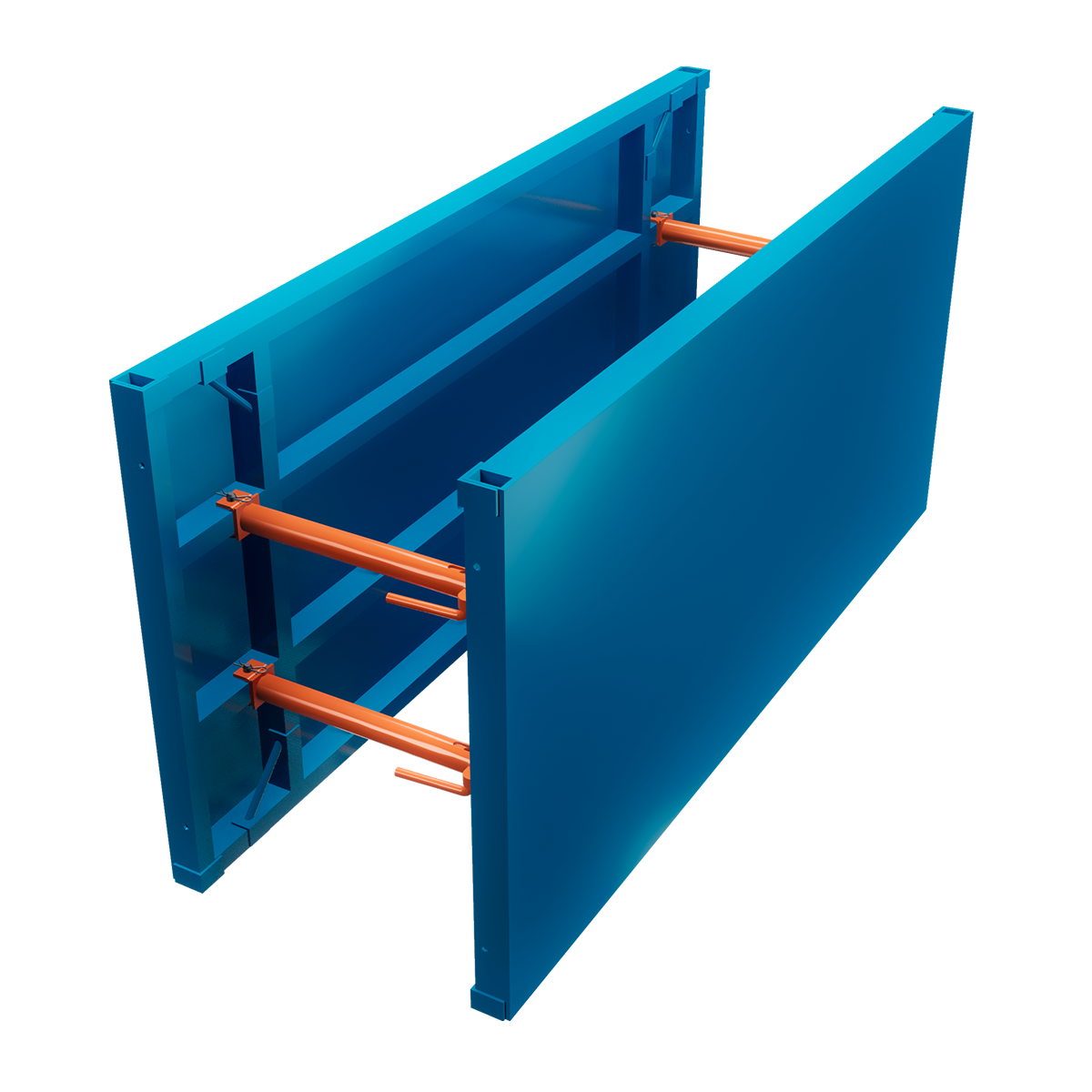
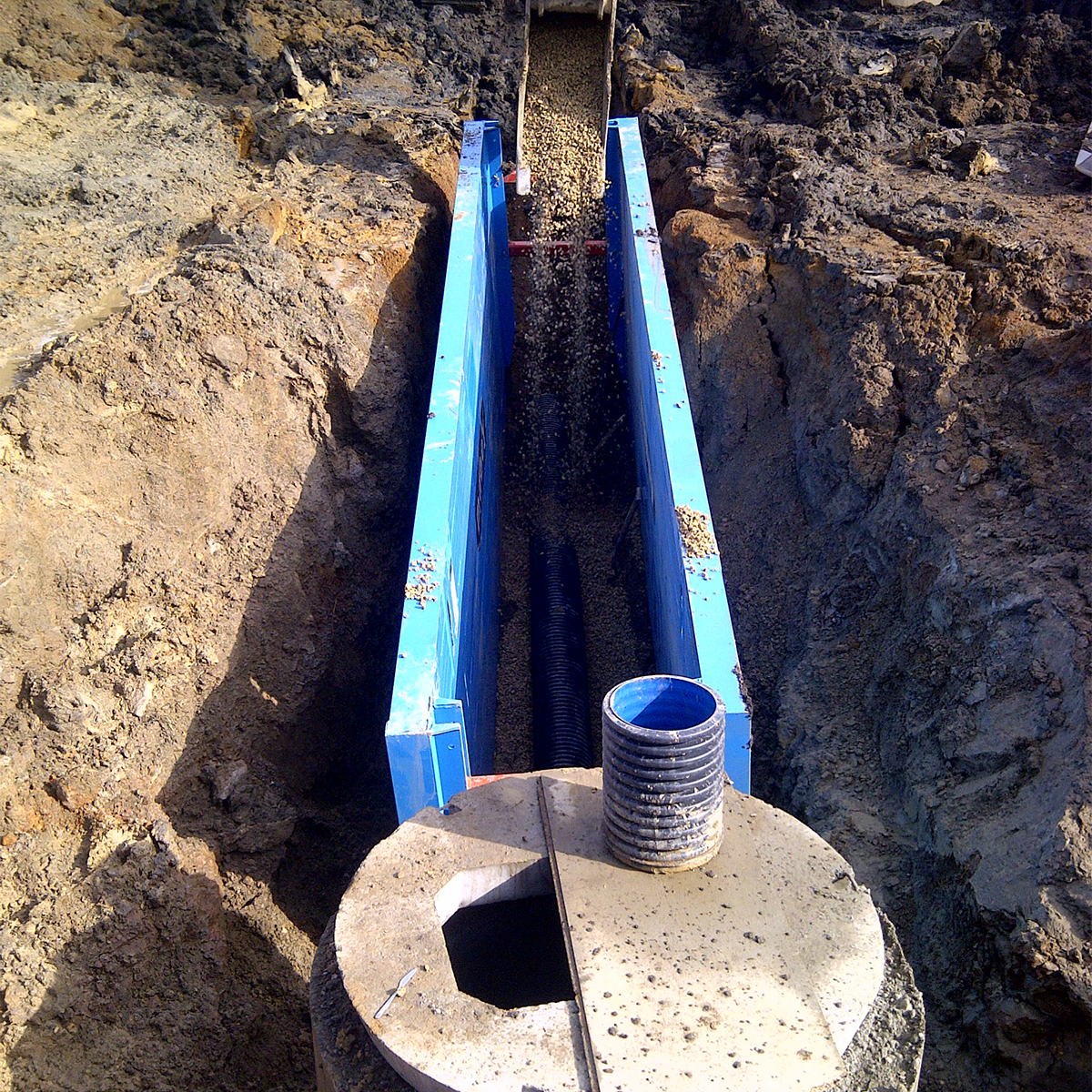
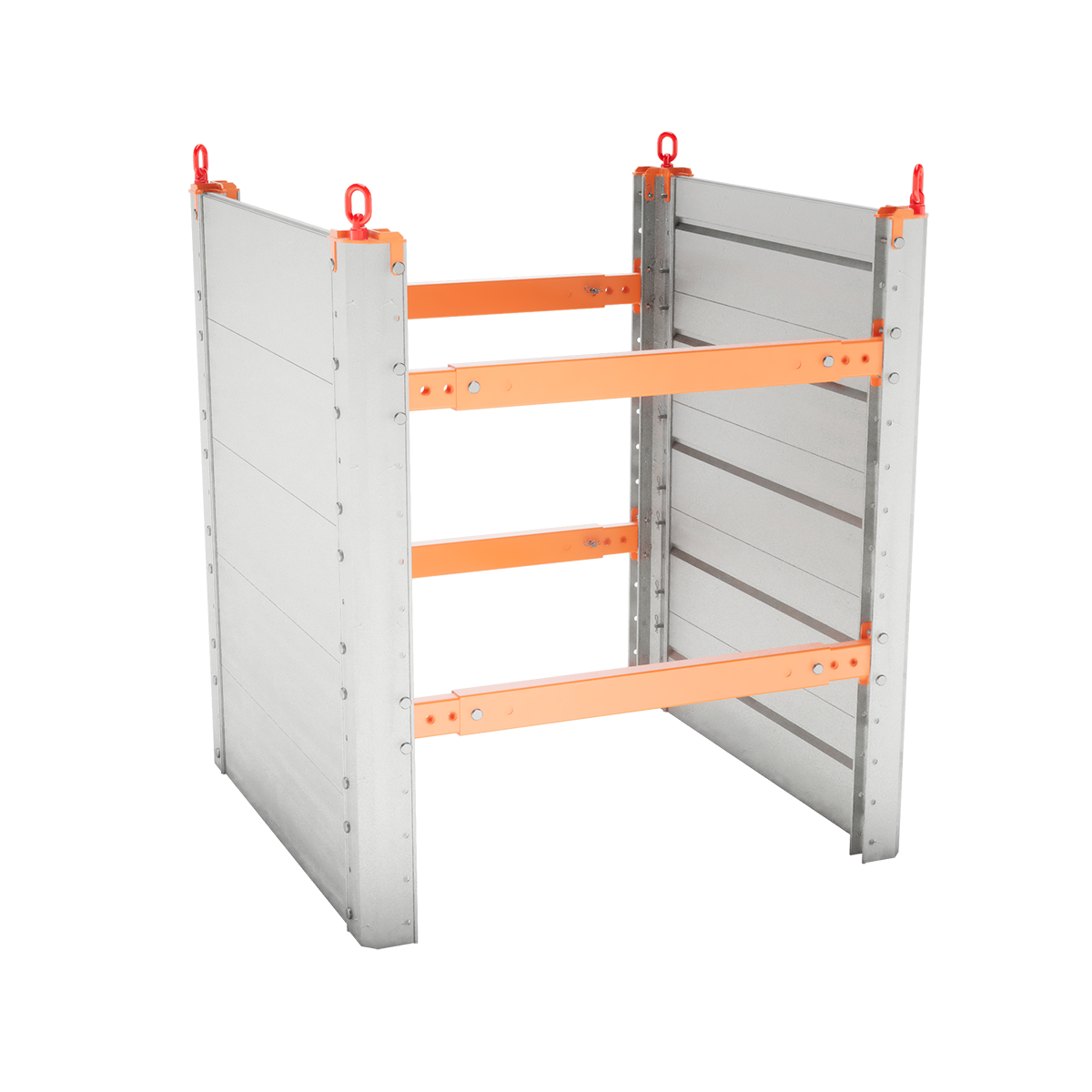
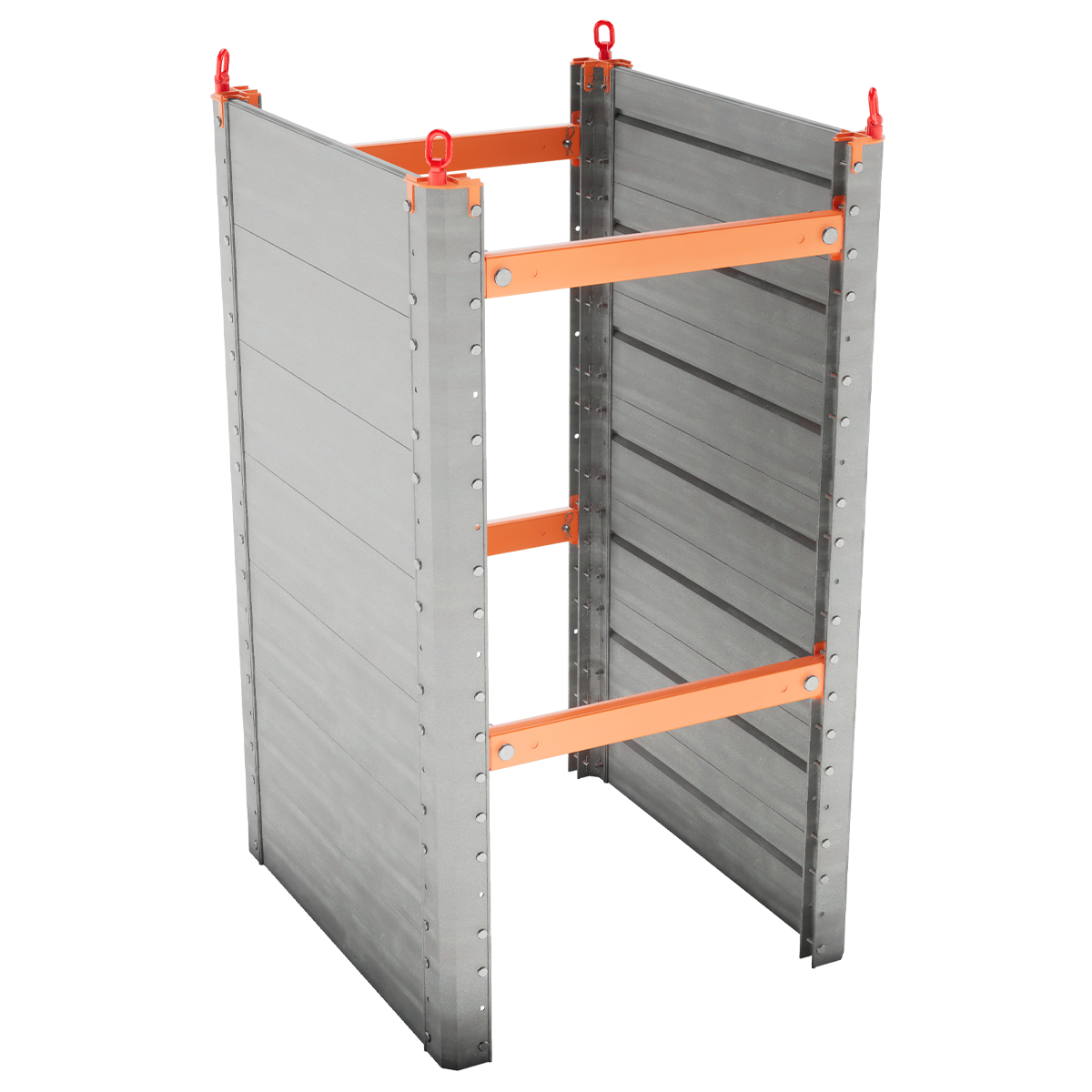
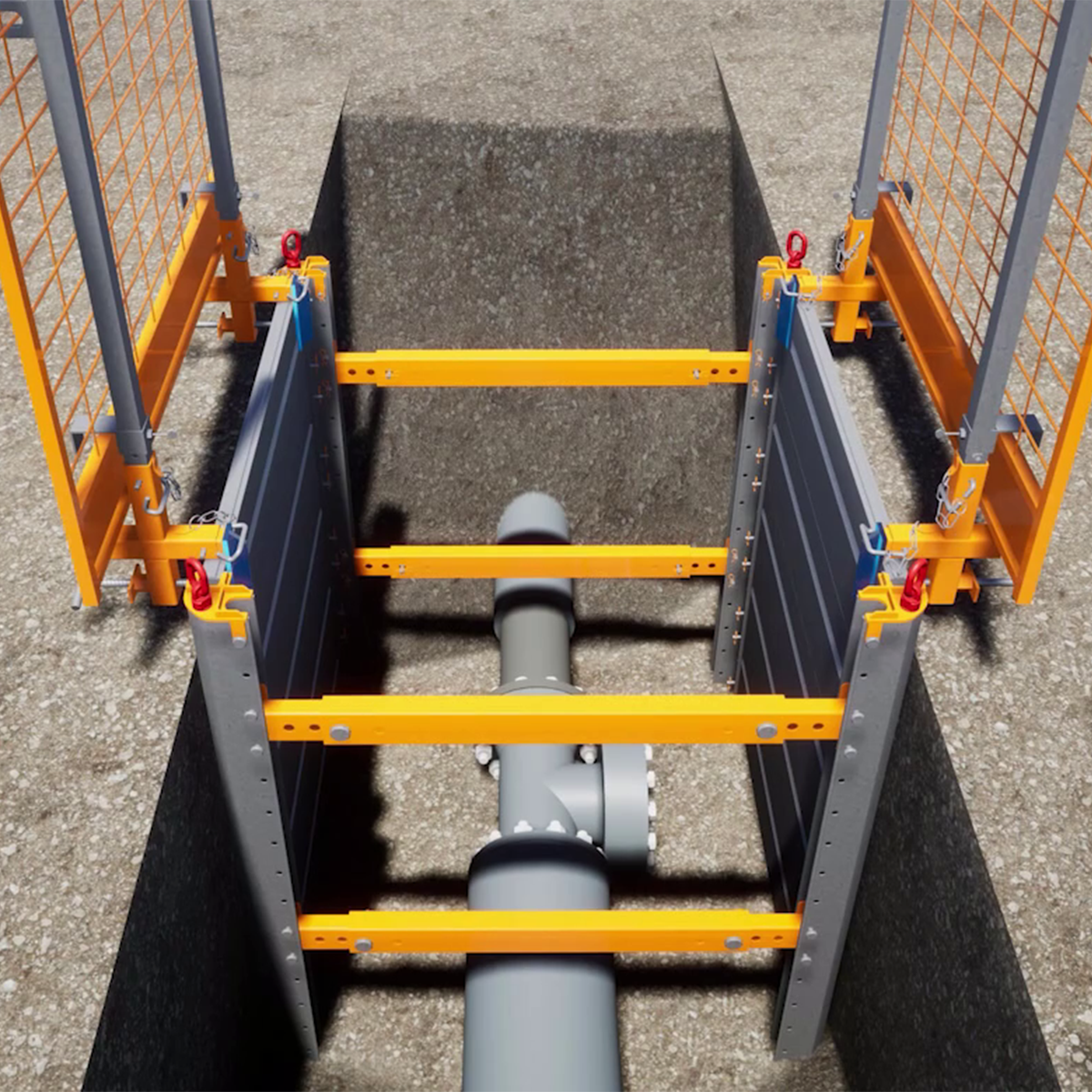
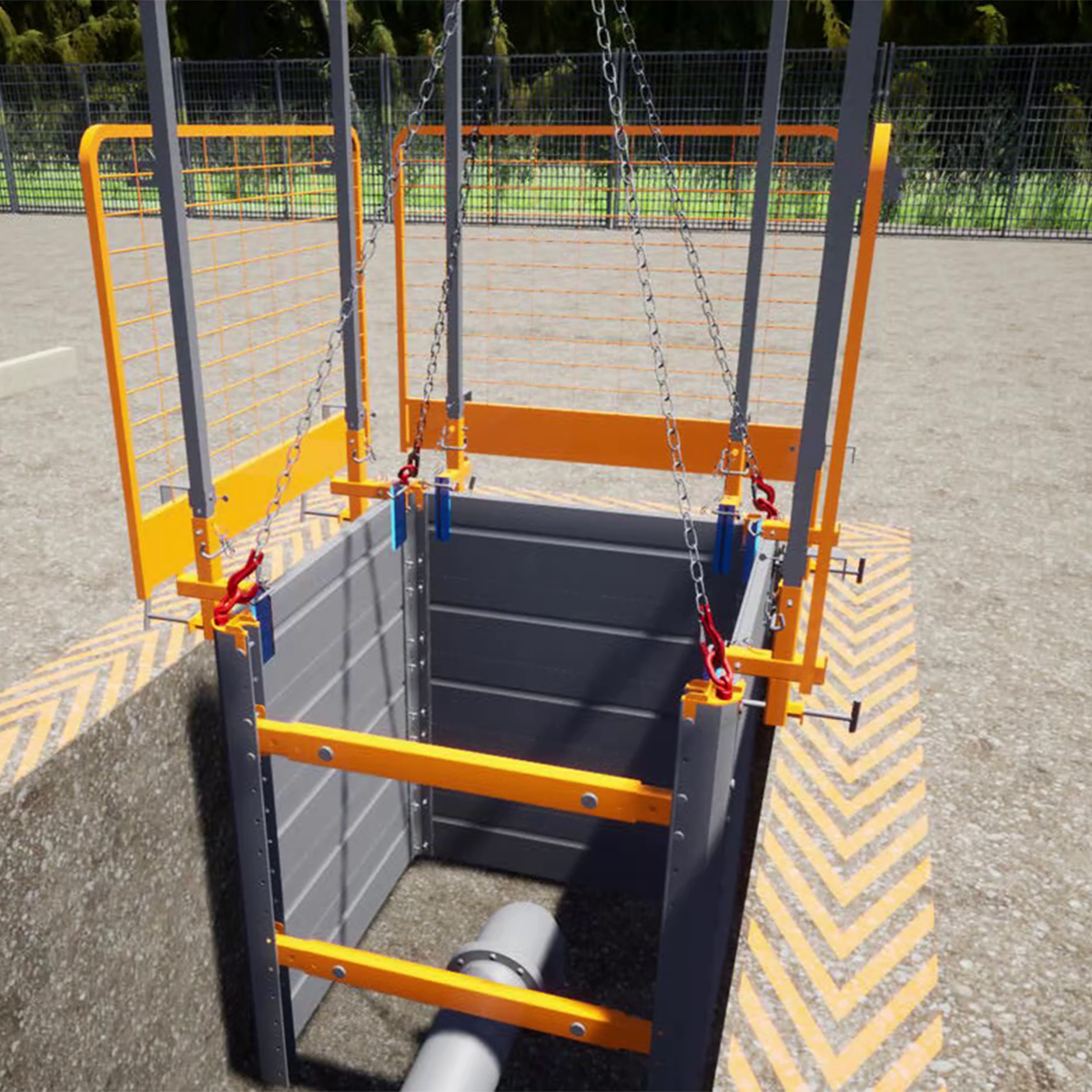
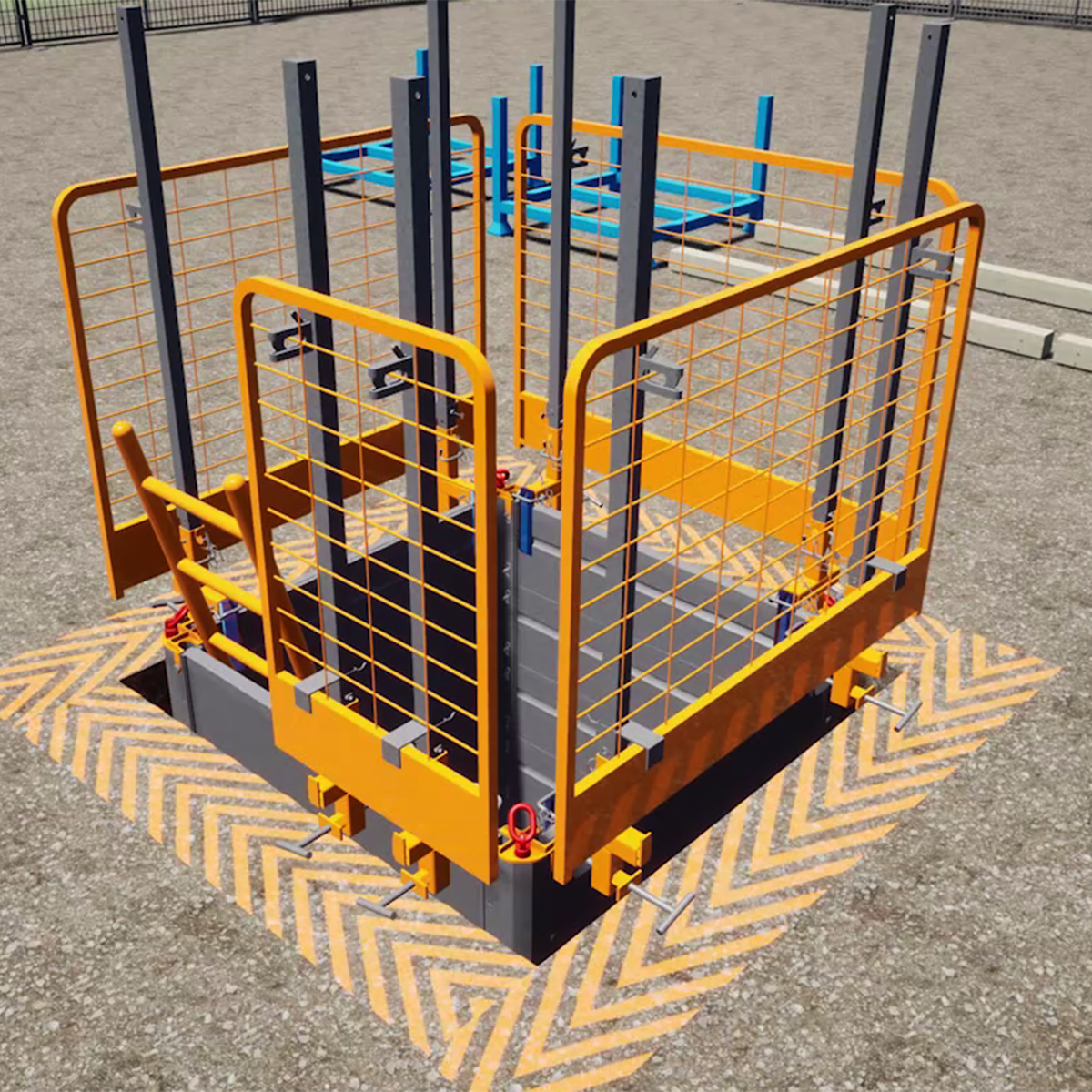
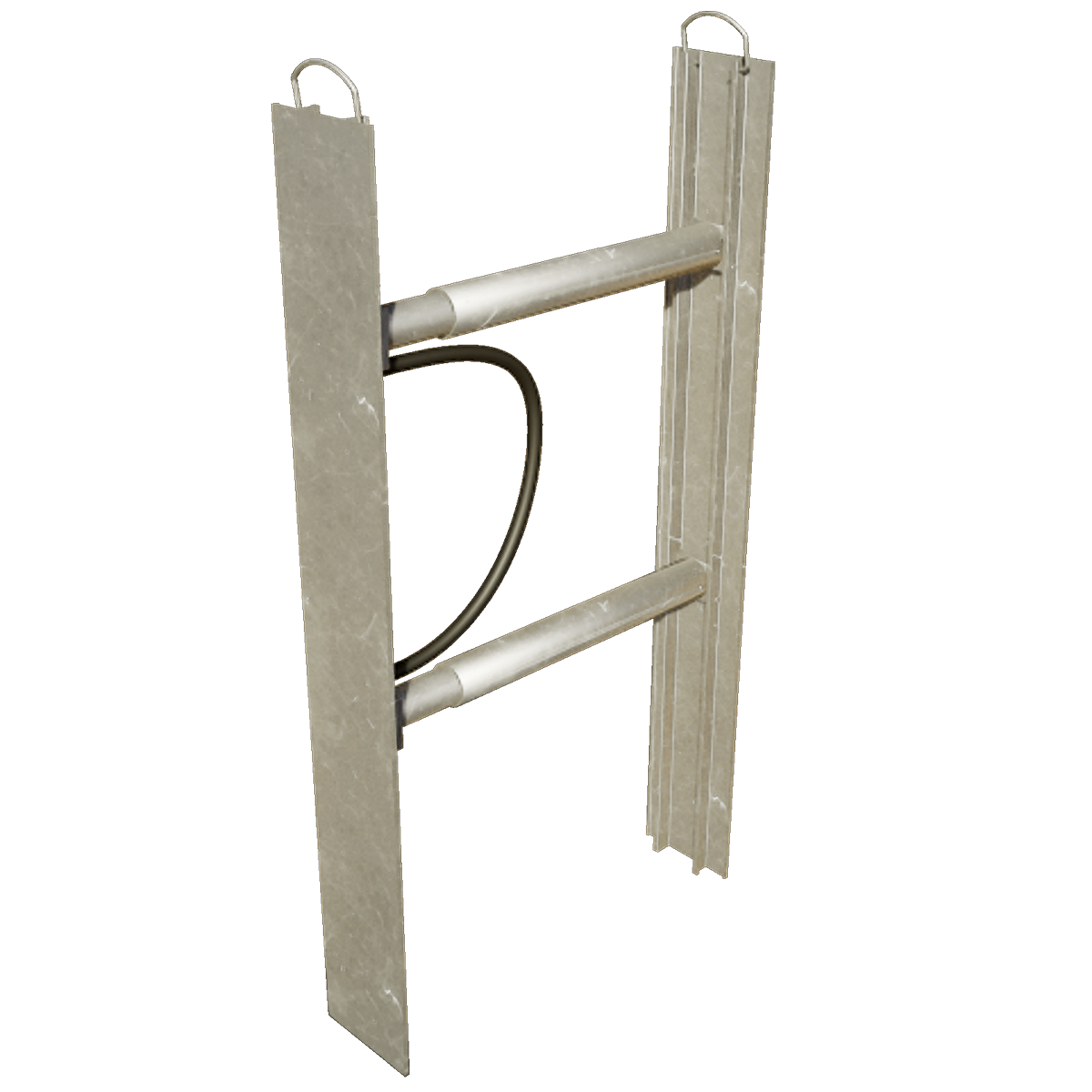
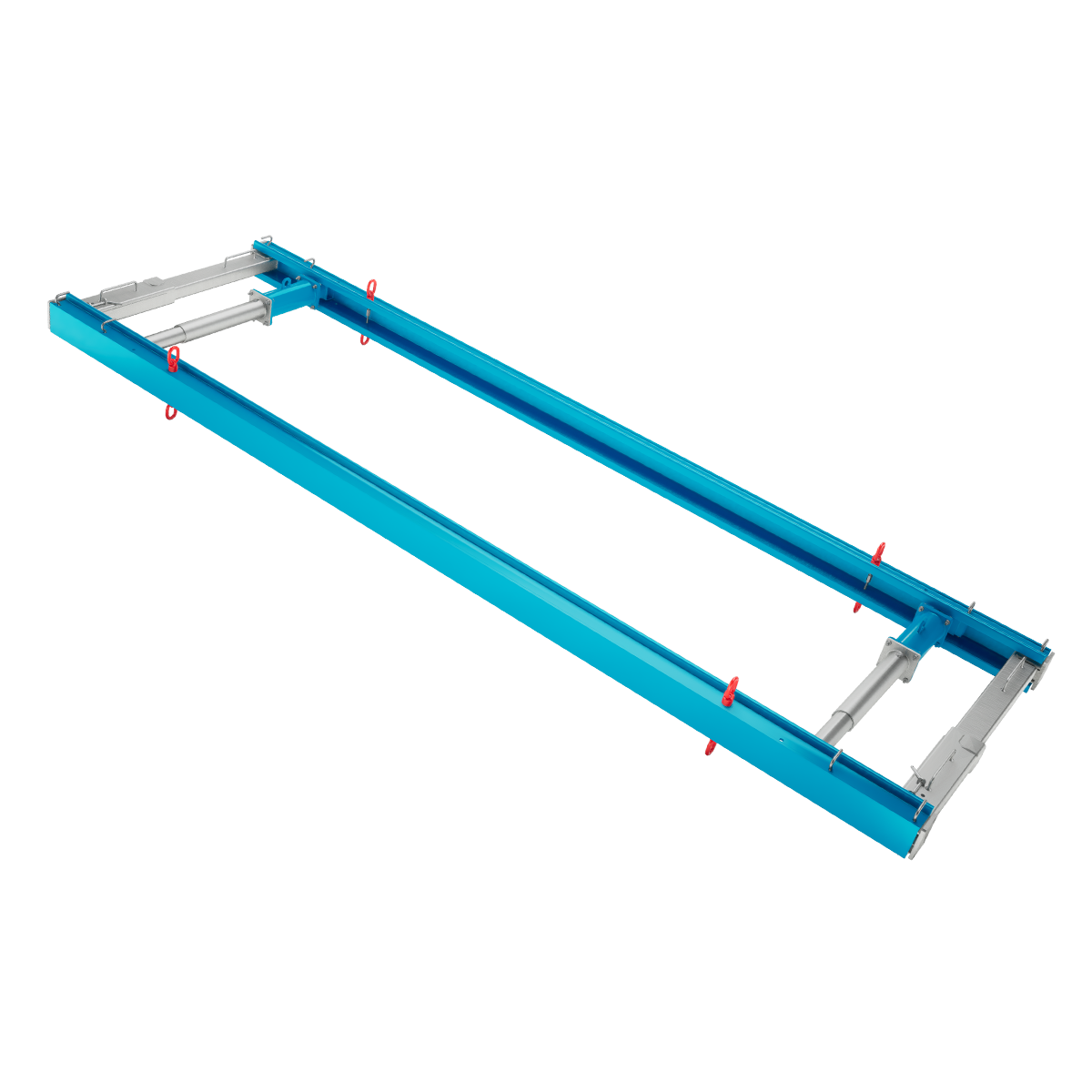
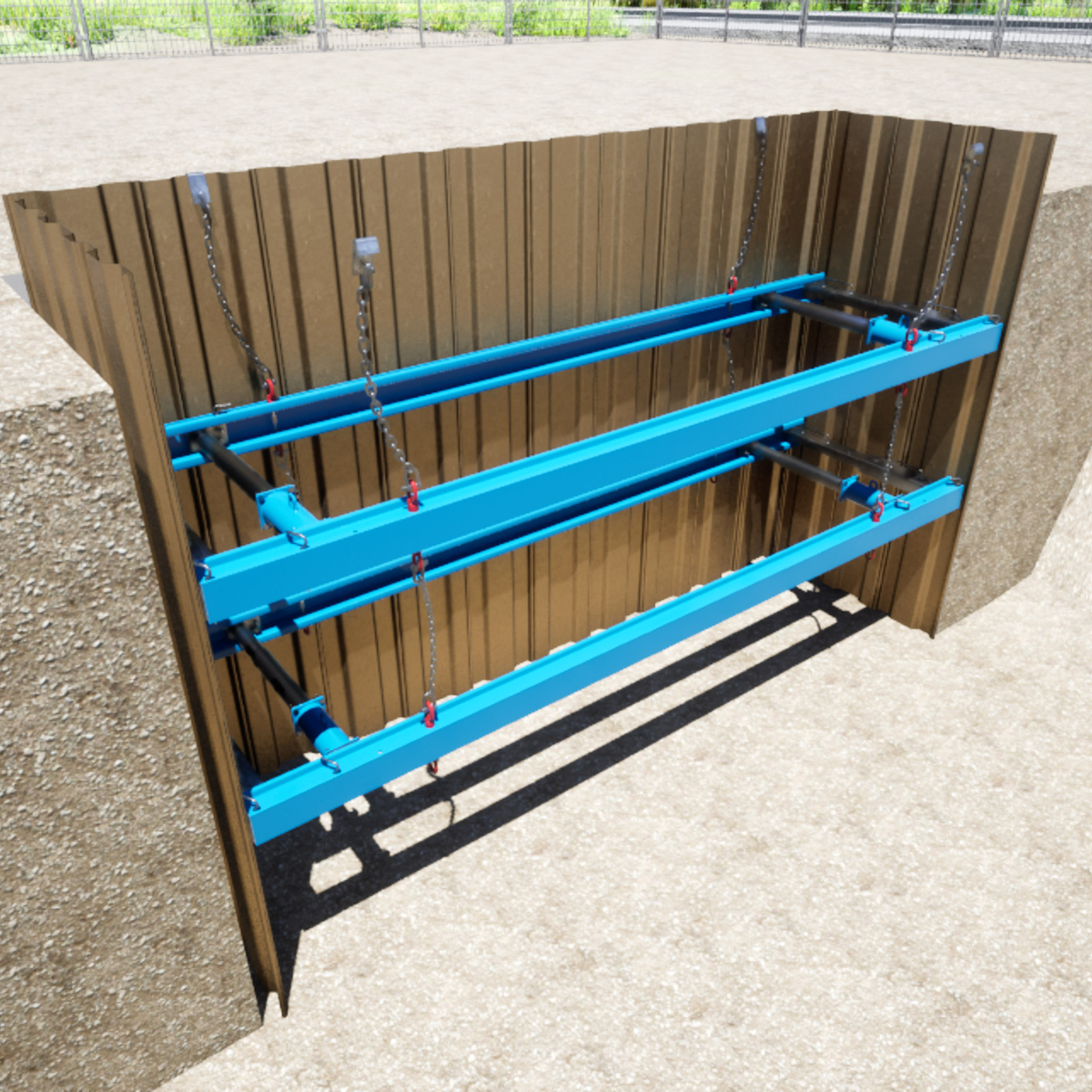
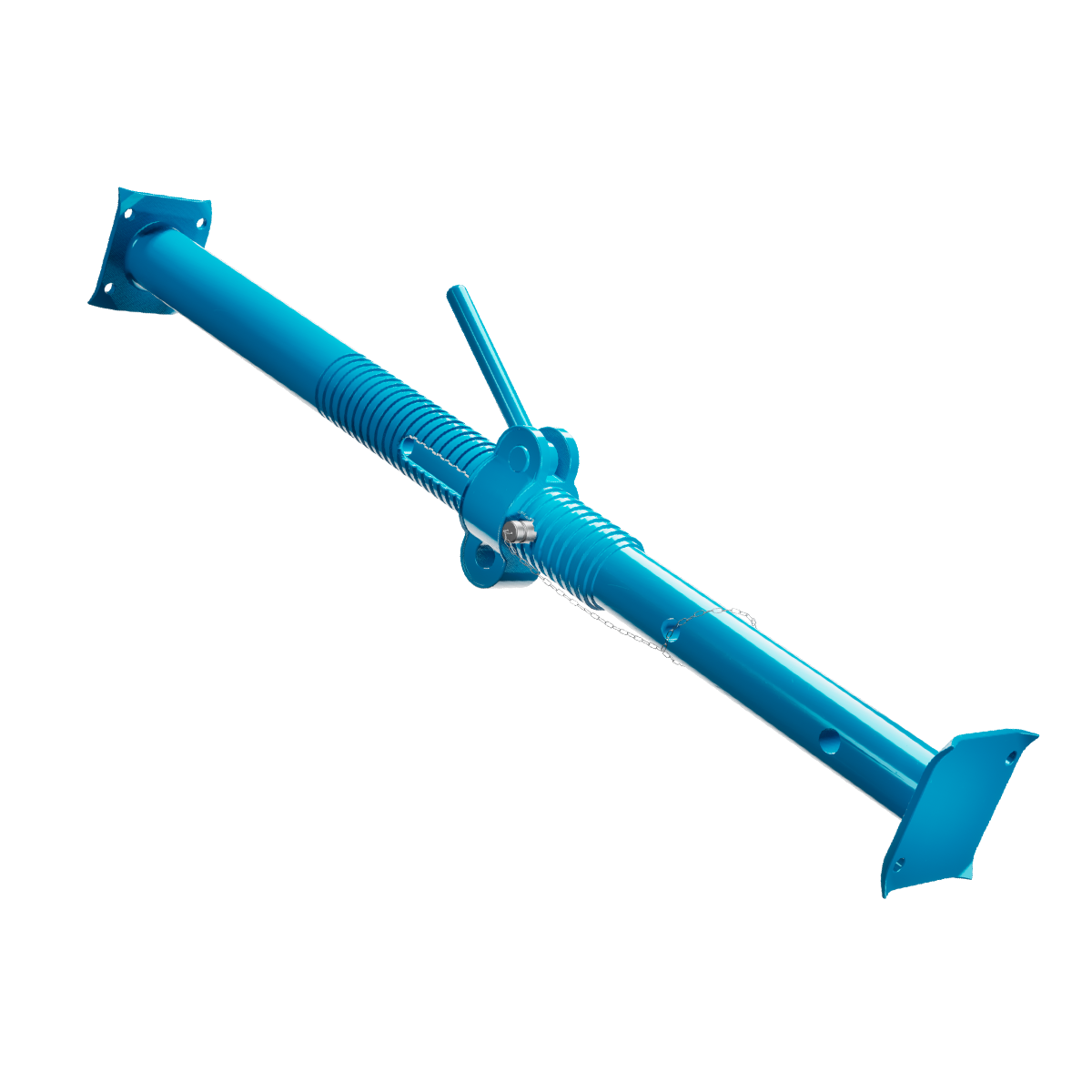
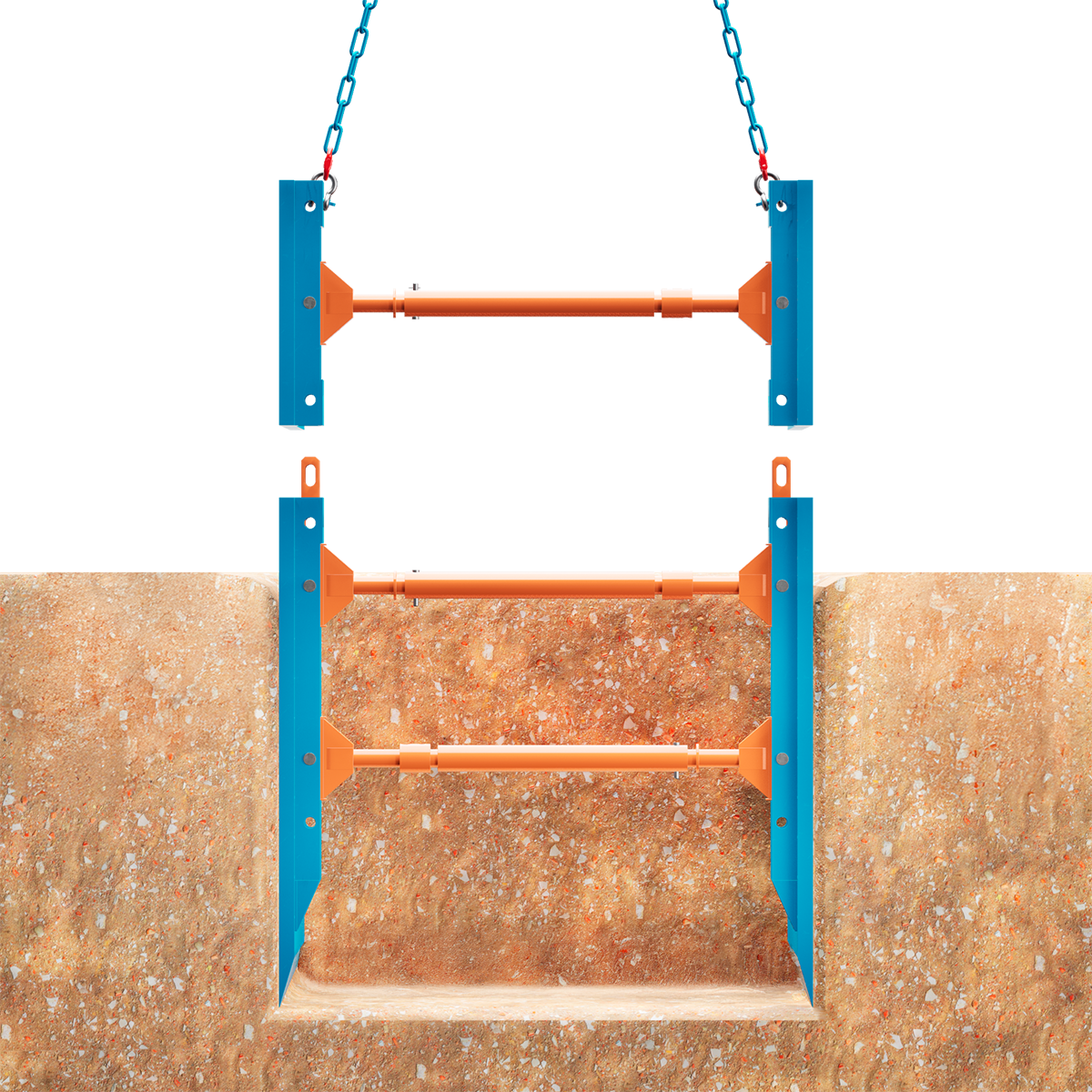
Shoring: Shoring is a necessary safety measure in groundworks which involves the reinforcement of trench walls to prevent collapses. This ensures a safe working environment for workers and guarantees the excavations go as planned.
Foundation laying: Laying foundations is a cornerstone of any groundworks. Depending on the project’s requirements, various foundation types such as strip, raft, or piled foundations are constructed to provide a solid base for the structure.
Drainage installation: Proper drainage installation is essential in preventing water accumulation and soil erosion. This includes the setup of pipes, culverts, and drainage channels to manage water flow effectively.
Utility provisioning: Utility provisioning involves laying the groundwork for essential services like water, electricity, and gas. This ensures the site is equipped with the necessary infrastructure for the construction and operation of the building.
Temporary works: Temporary works are key for site safety and accessibility. This includes the installation of temporary roads, walkways, and safety barriers, facilitating smooth and safe operations throughout the building process.
Modifying or repairing groundworks foundations post-construction can be a complex endeavour that requires careful consideration by our expert designers. While adjustments are technically feasible, they entail significant challenges due to the structural implications and the extensive groundwork involved in accessing and altering said foundation.