
Environmental Monitoring
Product TypeEnvironmental monitoring involves the systematic collection of data on key environmental factors, such as air quality, noise levels, water quality, and soil health.
FAQs
Environmental monitoring involves the systematic collection of data on key environmental factors such as air quality, noise levels, water quality, and soil health. This process is essential for assessing and managing the environmental impact of various activities, especially in construction and engineering. By identifying potential adverse effects, environmental monitoring ensures compliance with regulations, safeguards local ecosystems and communities, and supports sustainable and responsible project development. Monitoring data also empowers project managers to make informed decisions to minimise environmental impact.
Environmental monitoring is a proactive tool within construction and engineering fields to ensure that projects adhere to environmental standards while minimising disruption to surrounding areas. Through the regular tracking of factors such as noise, vibration, dust, and water quality, project managers can quickly detect and address any issues before they become major concerns. This practice protects the environment and helps prevent regulatory violations, avoid costly project delays, and mitigate legal risks. By incorporating environmental monitoring, projects can proceed in a safer, more sustainable, and regulation compliant manner.
Environmental monitoring utilises a variety of advanced tools and technologies to accurately measure environmental parameters:
- Air quality monitors: Track particulate matter, gases, and pollutants.
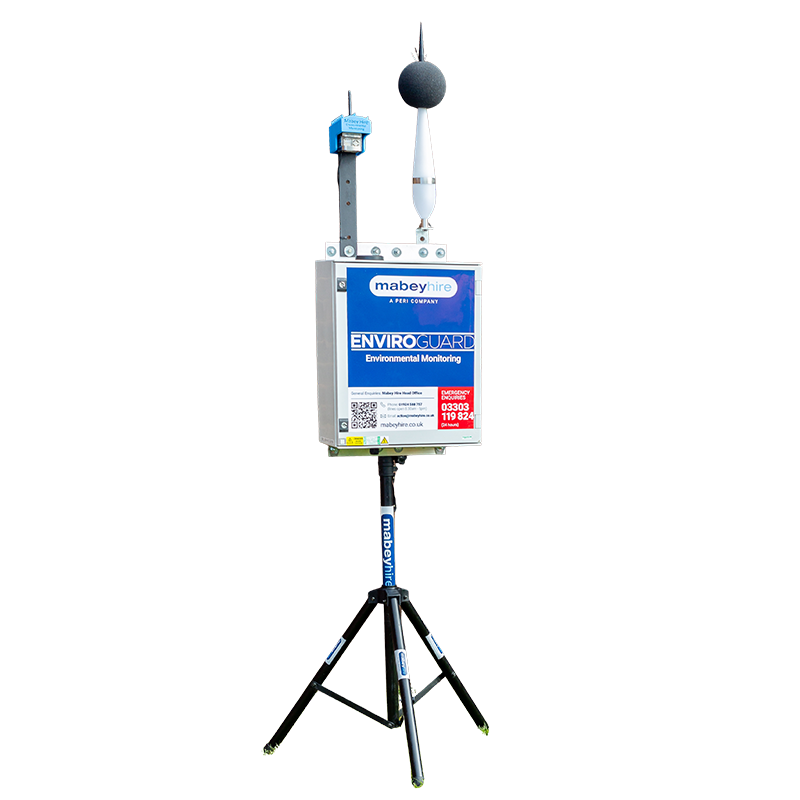
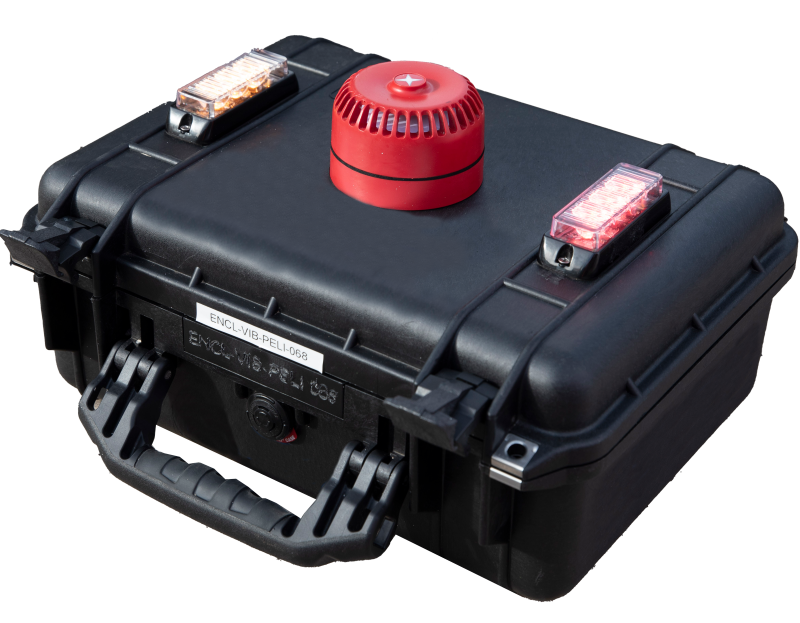
- Noise meters and vibration sensors: Assess noise levels and vibrations impacting the environment and nearby structures.
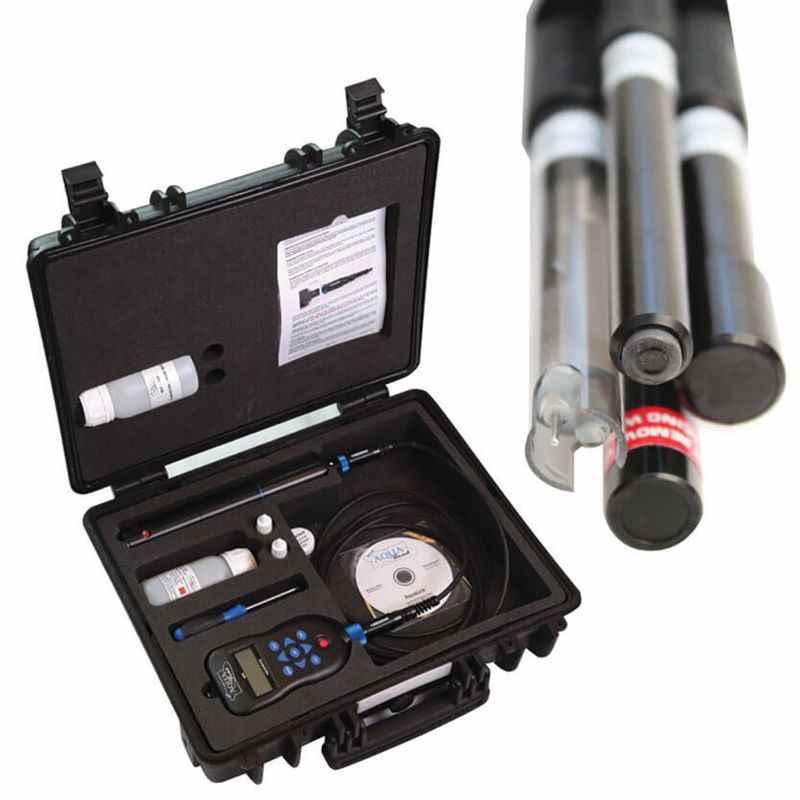
- Water quality sensors: Test pH levels, turbidity, and potential chemical contaminants in nearby water bodies.
- Weather stations: Monitor climate factors like temperature, humidity, and wind speed, which can influence construction conditions and emissions.
- Dust and particulate monitors: Control dust levels and manage airborne pollutants on-site.
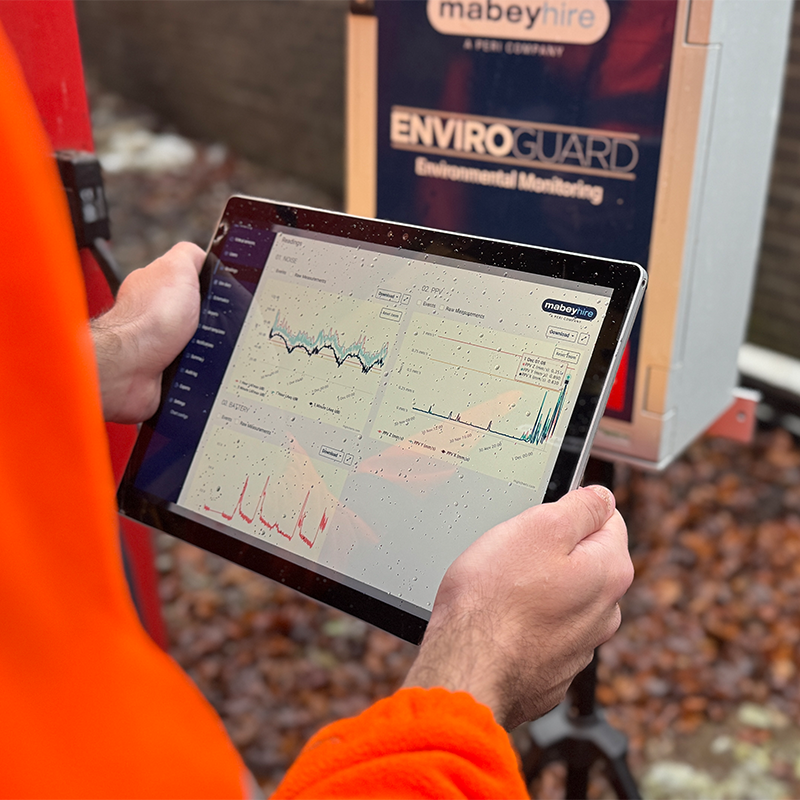
- Remote data loggers and real-time analytics software: Enable continuous data collection and real-time reporting, allowing for immediate response to any changes.
These tools provide precise measurements and are often combined with cloud-based systems for remote access and data visualisation, enhancing real-time environmental awareness.
Environmental monitoring is fundamental to sustainable project management, as it allows for careful tracking and reducing a project’s environmental footprint. Continuous monitoring of emissions, waste, and resource use helps companies pinpoint areas for improvement and implement practices that reduce environmental impact. This includes lowering pollution, conserving natural resources, and protecting local wildlife. Additionally, by following eco-friendly practices and meeting regulatory requirements, environmental monitoring reinforces a commitment to sustainability, building trust with surrounding communities and stakeholders.
Although environmental monitoring requires an initial investment, it can yield substantial long-term cost savings. Early identification of potential environmental issues allows projects to avoid fines, delays, and remediation expenses tied to regulatory violations. Monitoring data can also streamline resource use, reducing waste and lowering material and disposal costs. Furthermore, maintaining compliance records and best practices can prevent reputational damage and support future business opportunities. Ultimately, environmental monitoring promotes efficient, compliant operations, helping to avoid unexpected costs and ensure the project’s long-term financial viability.
If you still have questions, please contact us to find out how environmental monitoring can help your project.