
Structural Monitoring
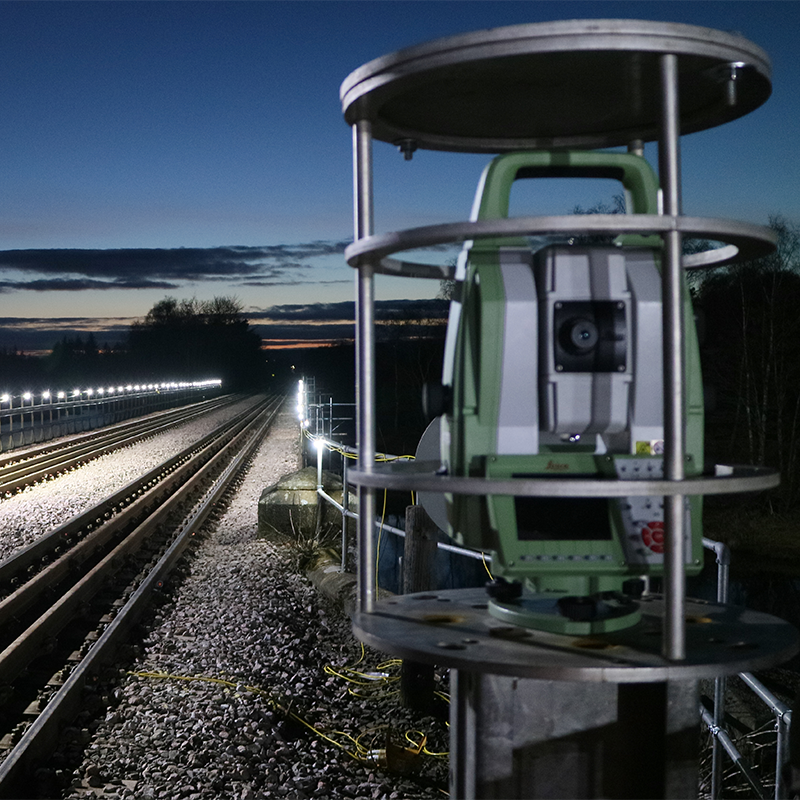
Product TypeStructural monitoring involves the ongoing measurement and analysis of factors affecting structures, such as bridges, buildings and other structures. This is used to provide a real-time picture of its condition and structural health.
FAQs
Structural monitoring is the process of observing and assessing the performance of a structure over time using specialised equipment and techniques. It helps track changes in the structure’s condition, such as movement, stress, or environmental effects, to ensure safety and efficiency. Monitoring is crucial for identifying potential issues early, preventing failures, and extending the structure’s lifespan.
Structural monitoring systems integrate seamlessly with a variety of construction technologies to enhance project efficiency and safety:
- BIM integration: Real-time data from solutions like bridge monitoring synchronise with BIM models, providing precise visualisation of structural behaviour during construction or refurbishment.
- Hydraulic Jacking support: Computer-controlled hydraulic jacking systems pair with monitoring tools to deliver live updates on load distribution and stress levels during critical operations such as bridge lifting and structural alignment.
- Infrastructure monitoring: By integrating monitoring systems with GIS and project management platforms, the systems can provide a holistic view of project progress, combining real-time data with strategic planning tools.
These integrations optimise workflows and enable informed decision-making. Explore our range of monitoring solutions on our website.
Structural monitoring is often necessary during critical phases of a construction project, including:
- Initial construction: To ensure stability and verify that the structure is built to specifications.
- Demolition: To monitor potential risks and manage controlled collapse processes.
- Temporary works: To ensure the safety of supporting structures like shoring or propping.
It is also used throughout the lifecycle of a structure for maintenance and risk management.
Structural monitoring systems are designed to detect early signs of potential failures. By continuously measuring factors like strain, displacement, and vibrations, these systems can identify abnormal patterns or stress points. This predictive capability allows engineers to take proactive measures, preventing accidents and costly repairs.
The maintenance requirements for a structural monitoring system depend on the type of equipment and system used. Automated systems often require minimal upkeep, such as periodic calibration and software updates. Manual systems may need more frequent checks and recalibration. Regular inspections ensure that sensors and data collection tools remain accurate and reliable.
Structural monitoring systems incorporate sensors that can measure environmental factors such as temperature, humidity, wind, and seismic activity. These sensors help distinguish between environmental impacts and actual structural changes. Advanced systems can also factor in seasonal variations and extreme weather events to provide a comprehensive analysis of the structure’s performance.