
Hydraulic Jacking
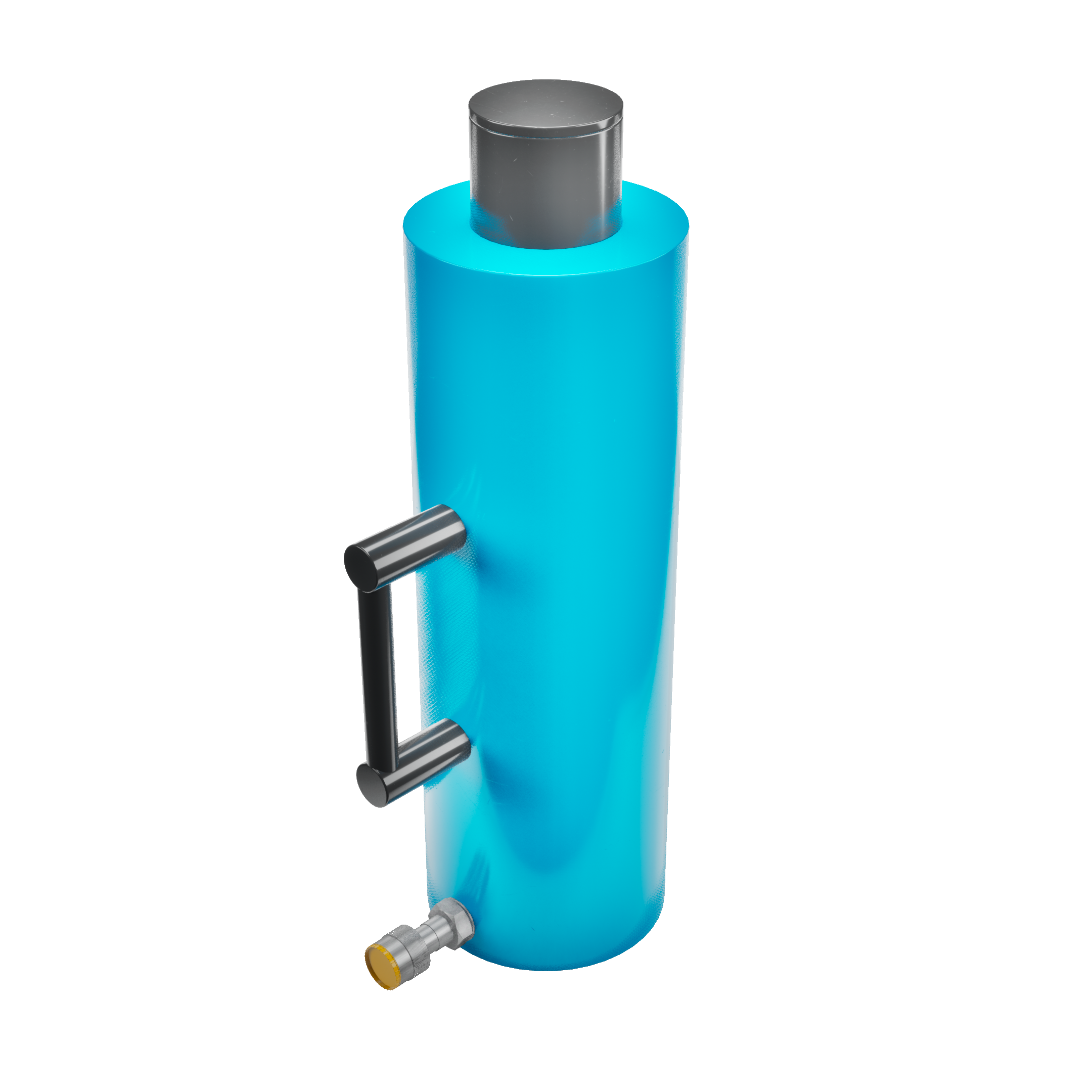
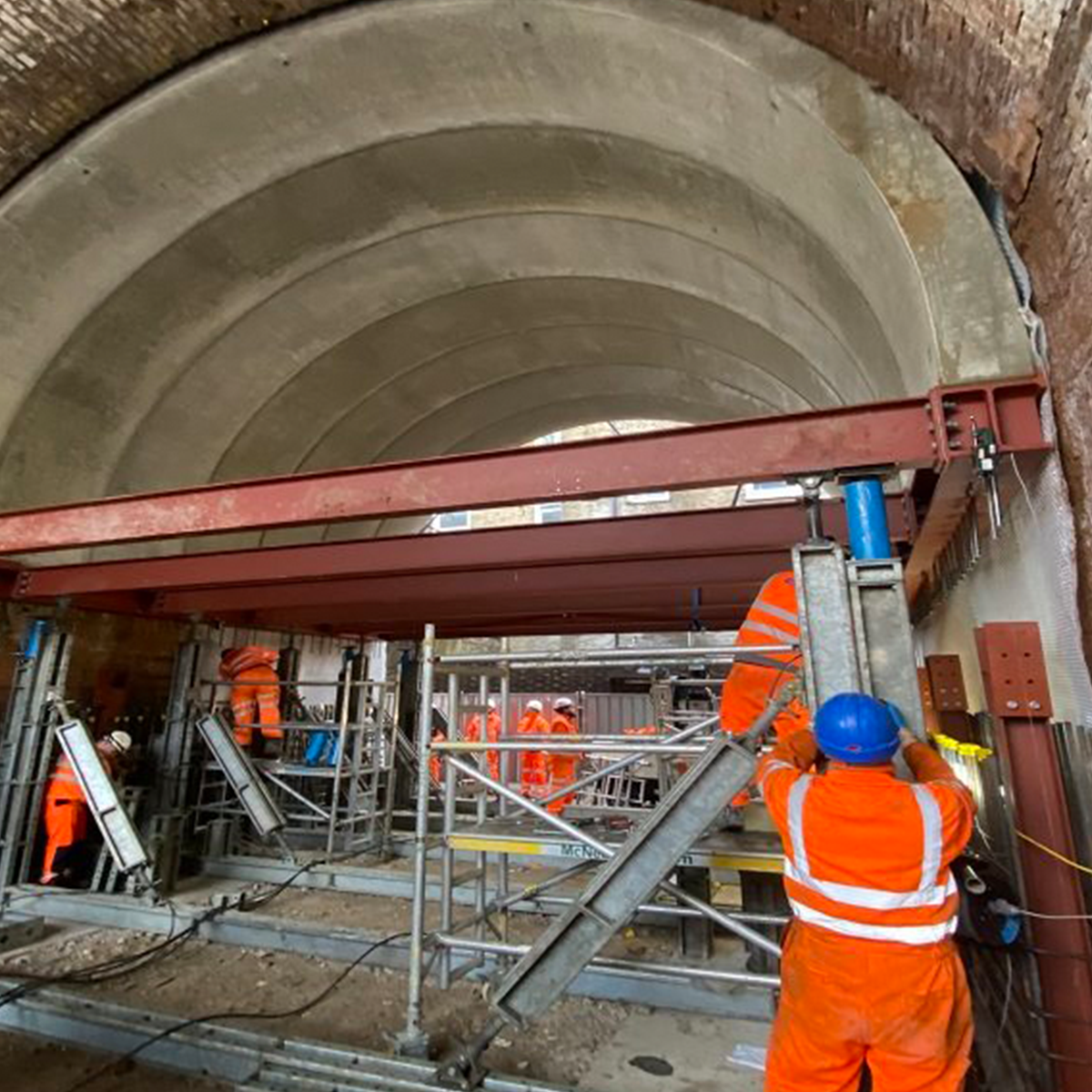
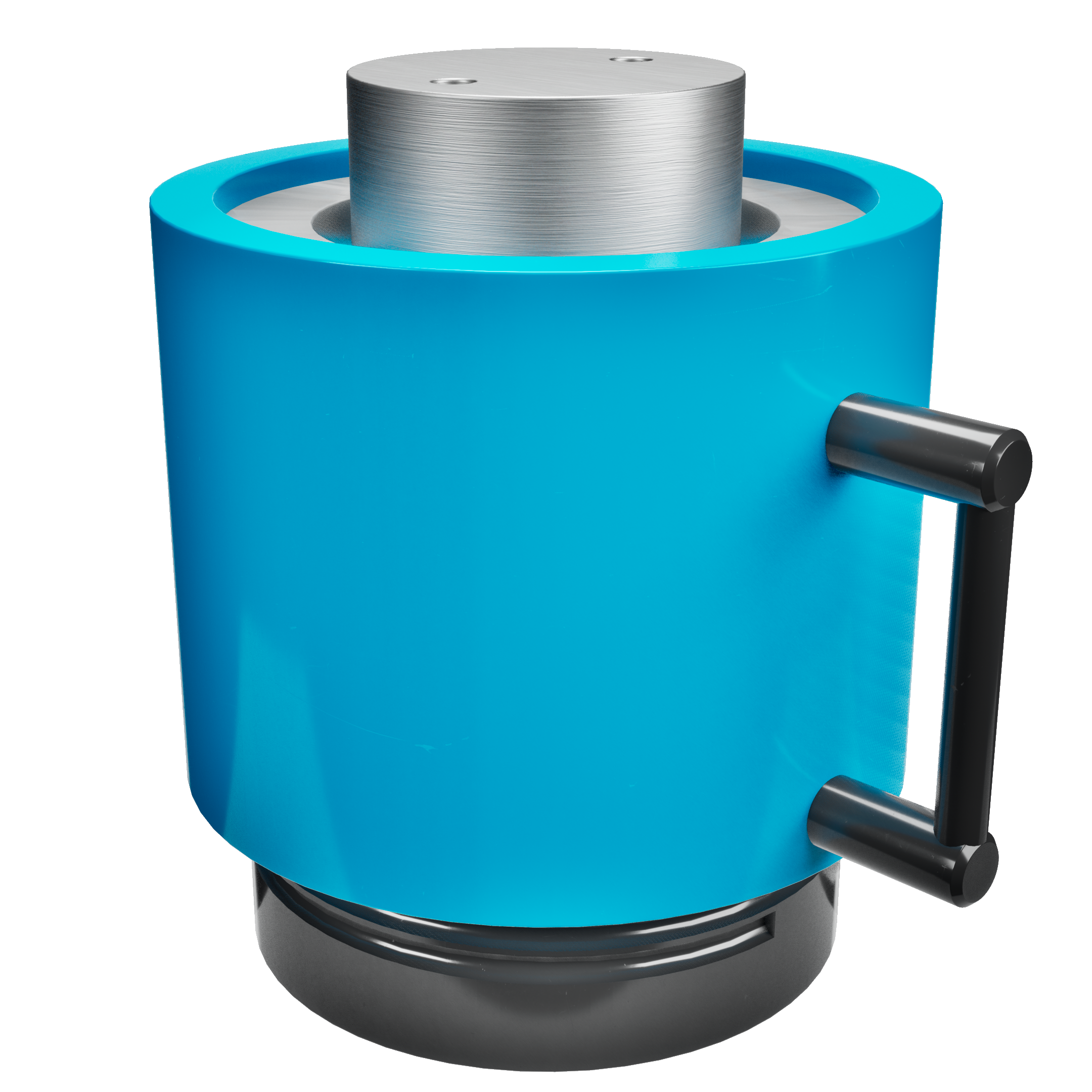
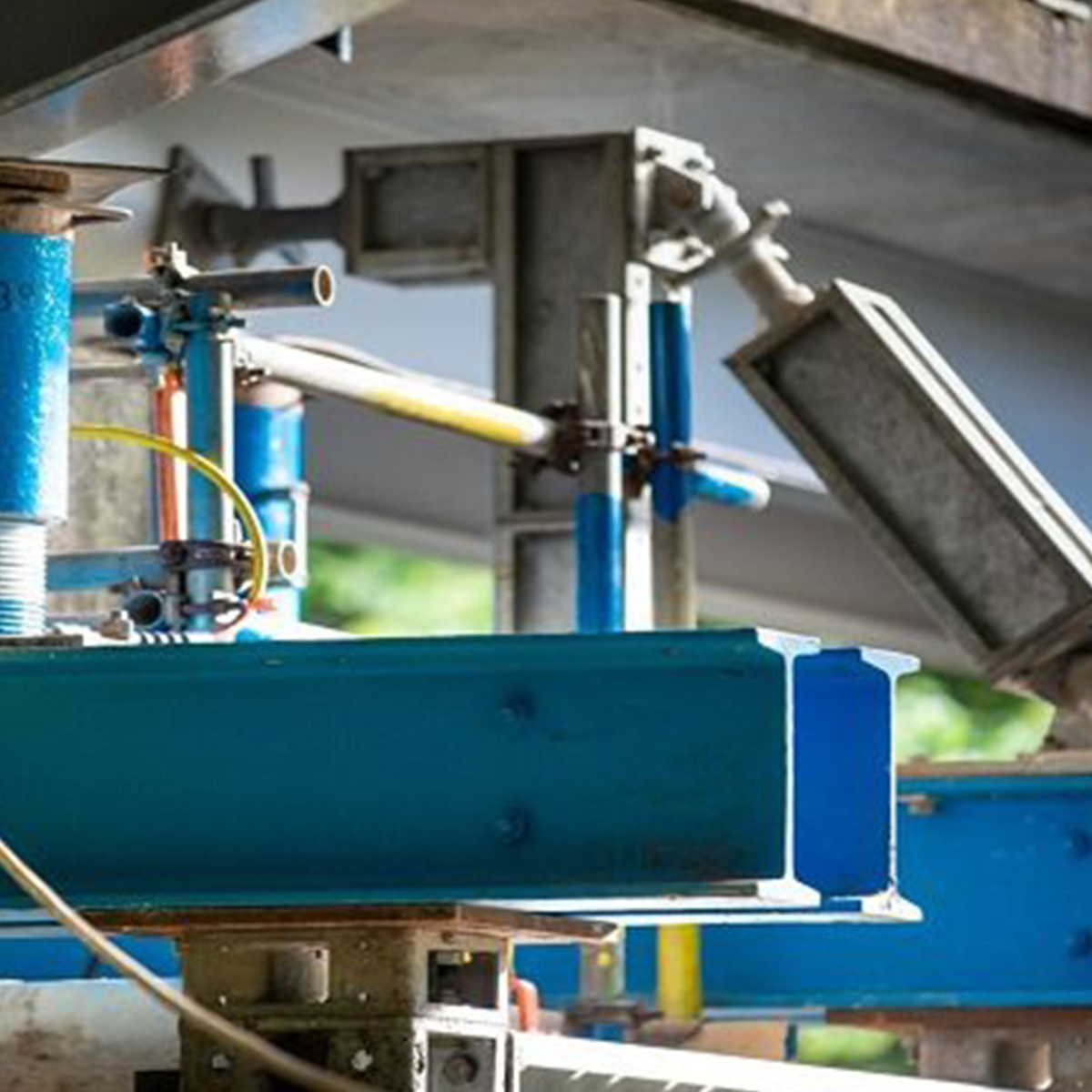
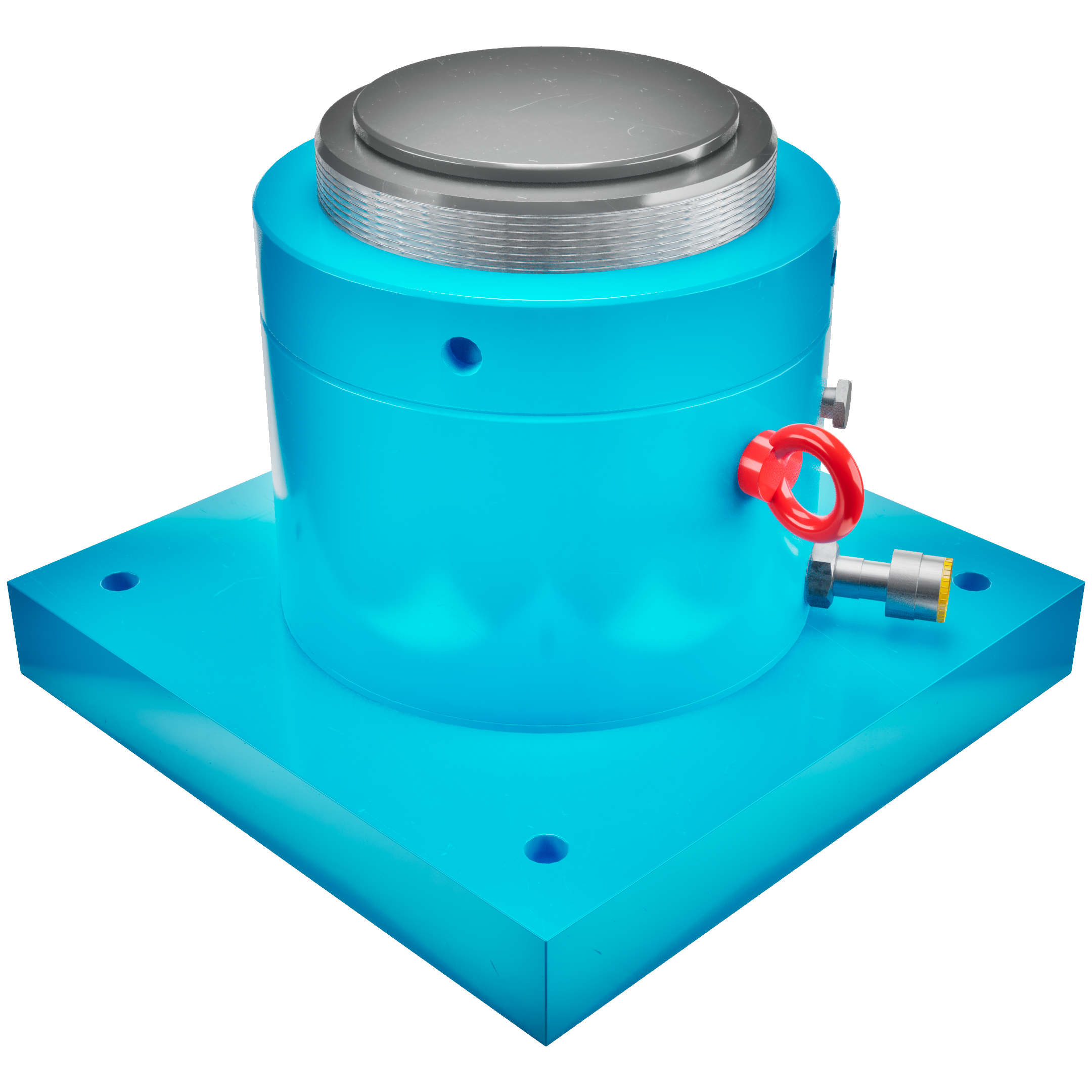
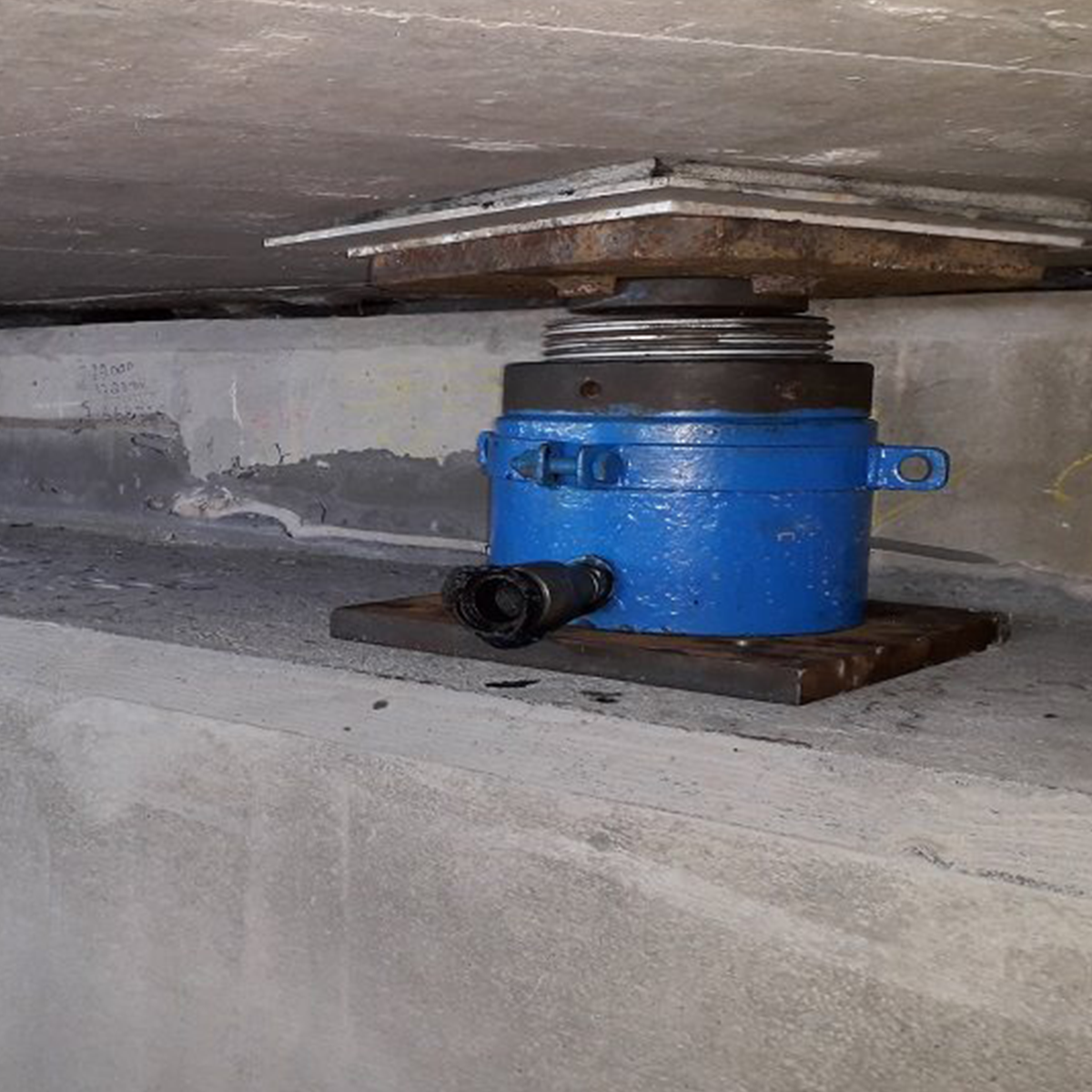
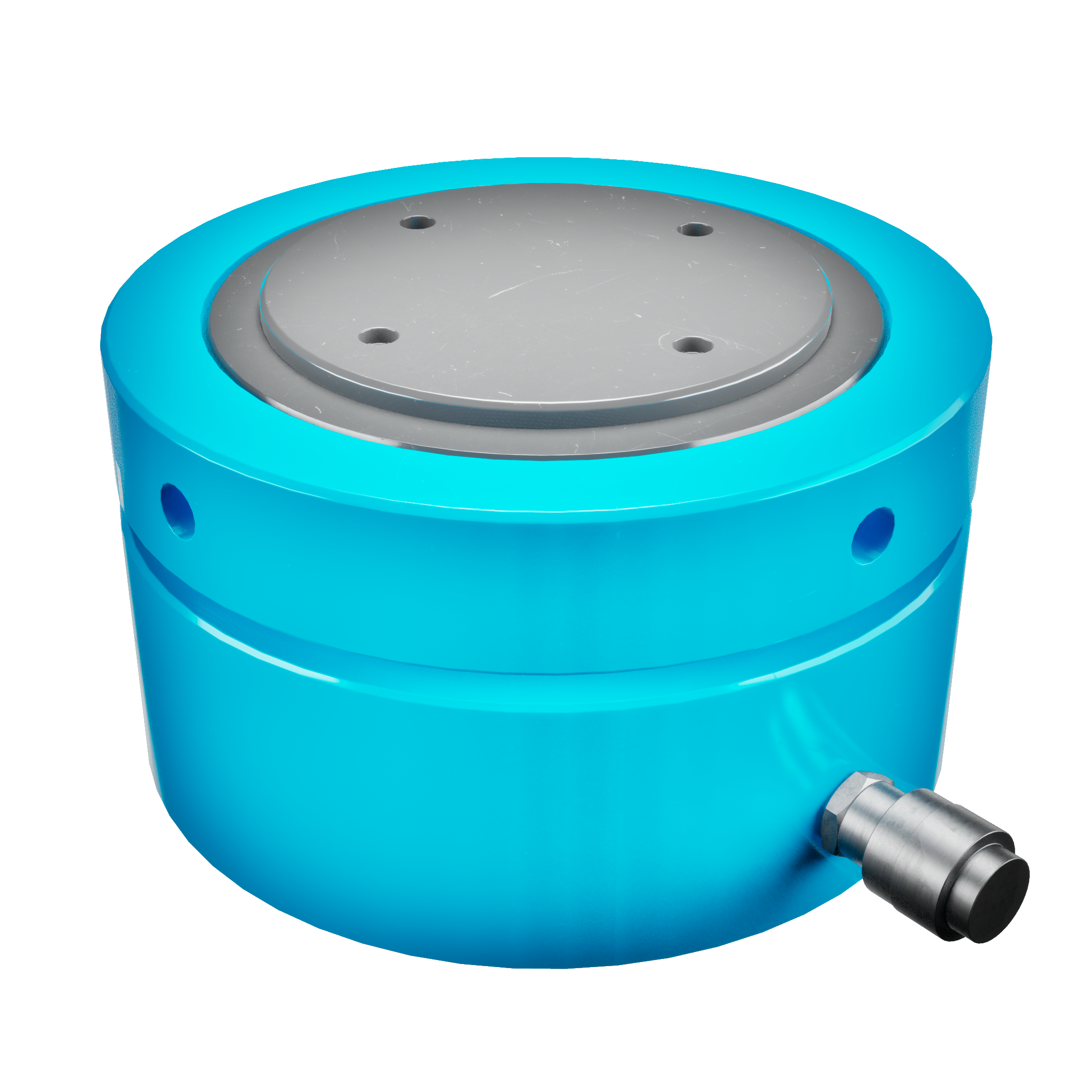
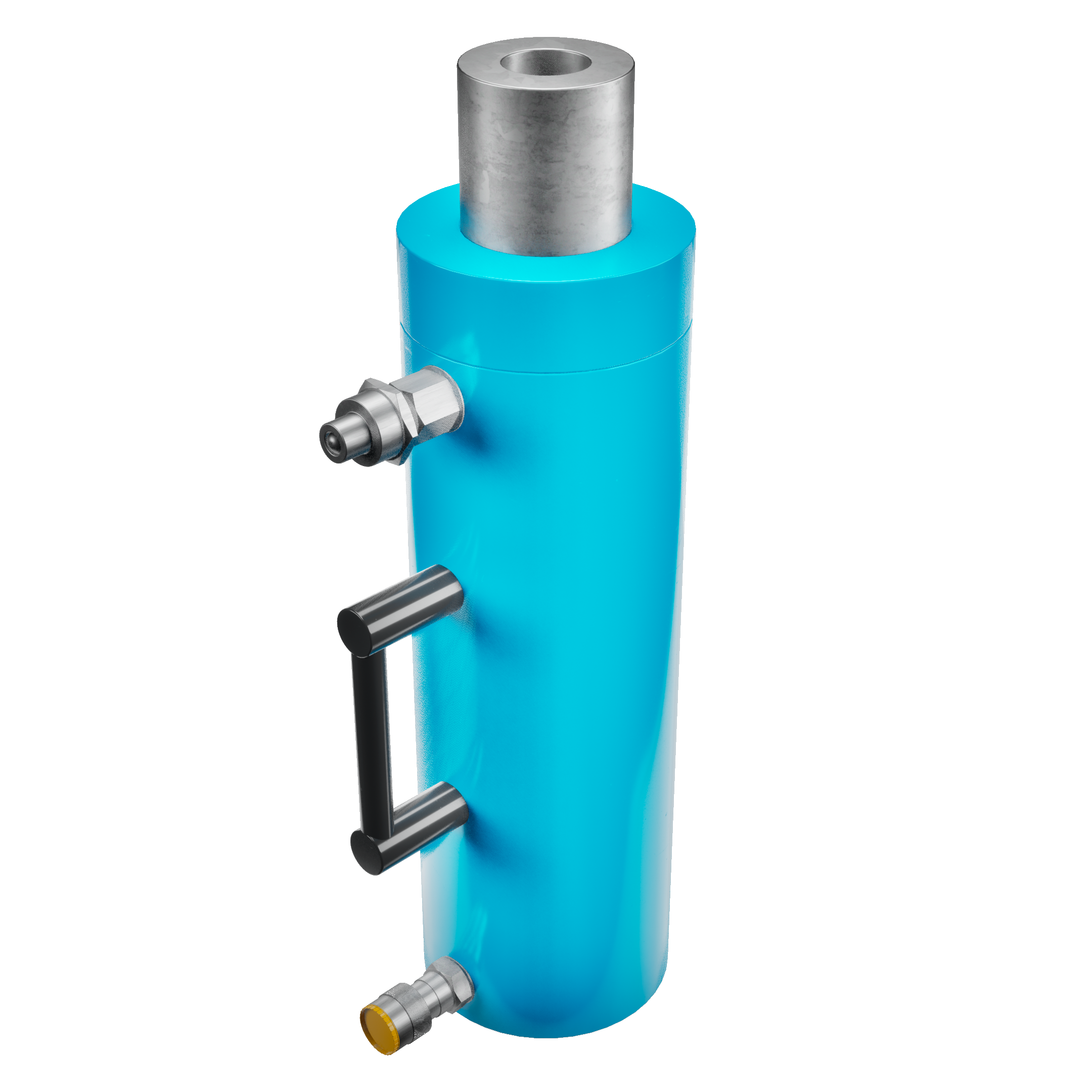
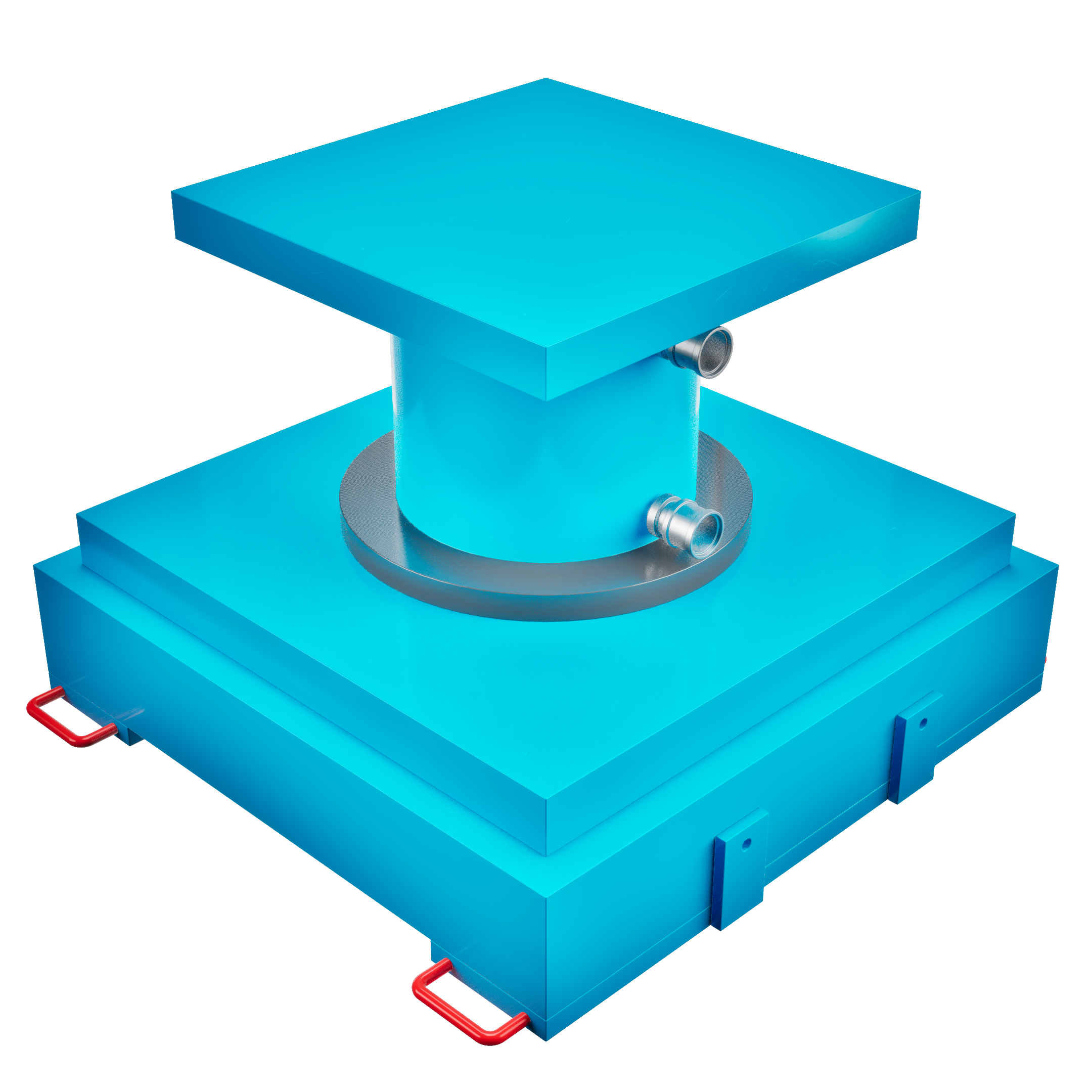
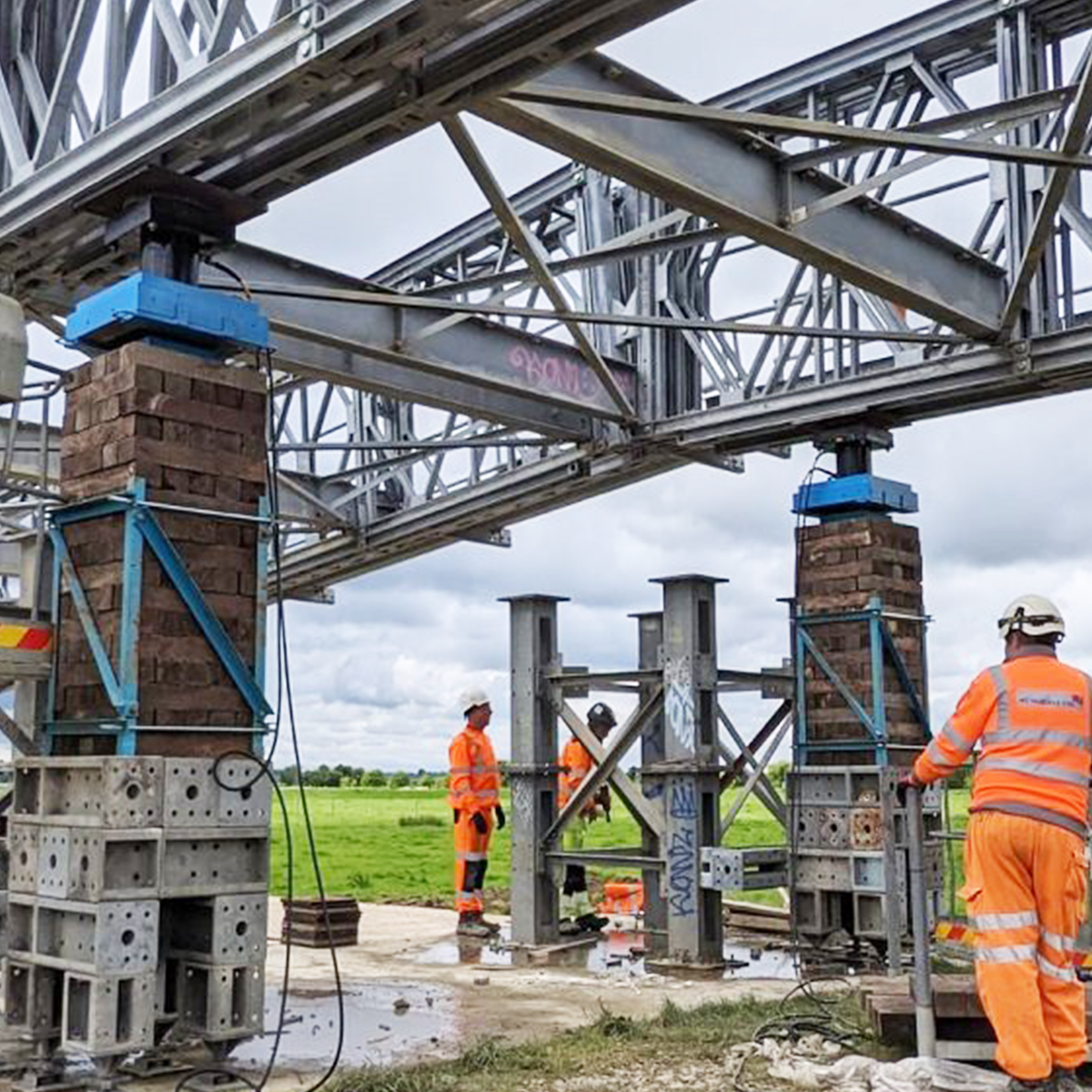
Product TypeHydraulic jacking systems offer safe and precise lifting and lowering for complex structural tasks. From bridge bearing replacements to building lifts, they offer high load capacity and adaptable configurations, including low-height and climbing jacks. With integrated control and monitoring, they ensure accuracy, reduce risk, and keep critical work moving efficiently.
FAQs
Jacking in construction involves lifting or moving heavy structures or materials by applying force in a controlled manner. This technique is often used to raise buildings for foundation repairs, lift bridge sections for assembly, or move large components into place. By using mechanical force, jacking provides stability and precision, allowing for safe adjustments or installations in tight or difficult-to-access areas.
The main types of jacks used in construction include:
- Hydraulic jacks: These use pressurised fluid to lift heavy loads and are widely used for tasks like lifting bridges, buildings, or structural components.
- Mechanical jacks: These jacks rely on screw mechanisms or gears for lifting and are typically used for lighter loads and precision work.
- Pneumatic jacks: These use compressed air to lift objects and are useful in situations where hydraulic or mechanical systems aren’t practical, often in areas without electricity.
Hydraulic jacks provide powerful lifting capabilities for heavy loads like bridges and buildings, offering precise control and smooth adjustments. They are efficient, requiring minimal effort due to hydraulic pressure, and versatile for various construction tasks. Their compact design allows use in tight spaces, and they are durable, ensuring reliable performance in demanding conditions.
We recommend following the procedure within our specific Product User Guides when it comes to finding the right solution for your project. As for all general guidance, it is the Customer’s responsibility to decide whether it should be followed for his specific application and to ensure a safe system of work.
If you still have questions or need assistance in choosing the right product solutions for your project, please contact us to speak to our specialist team of engineers.