
Propping
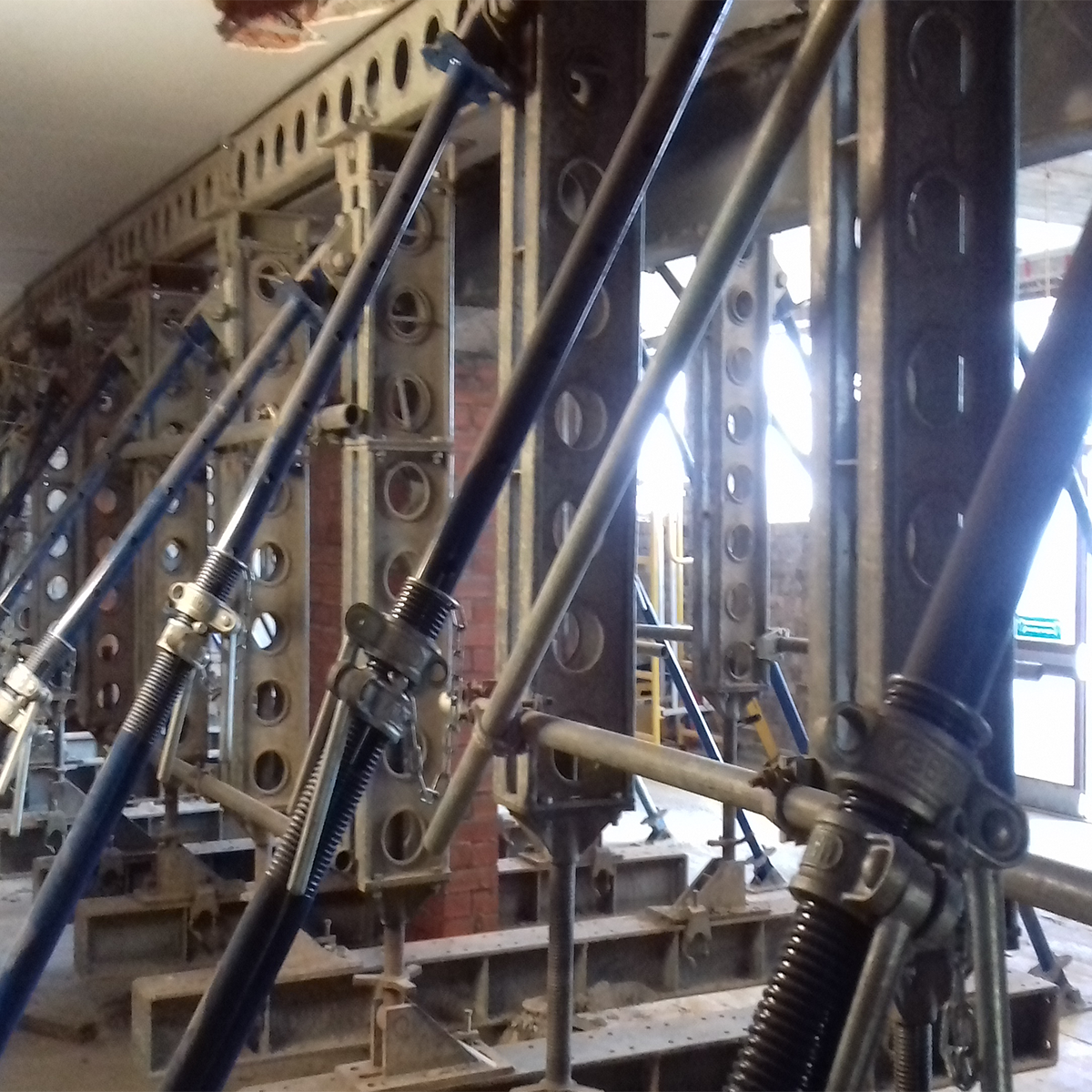
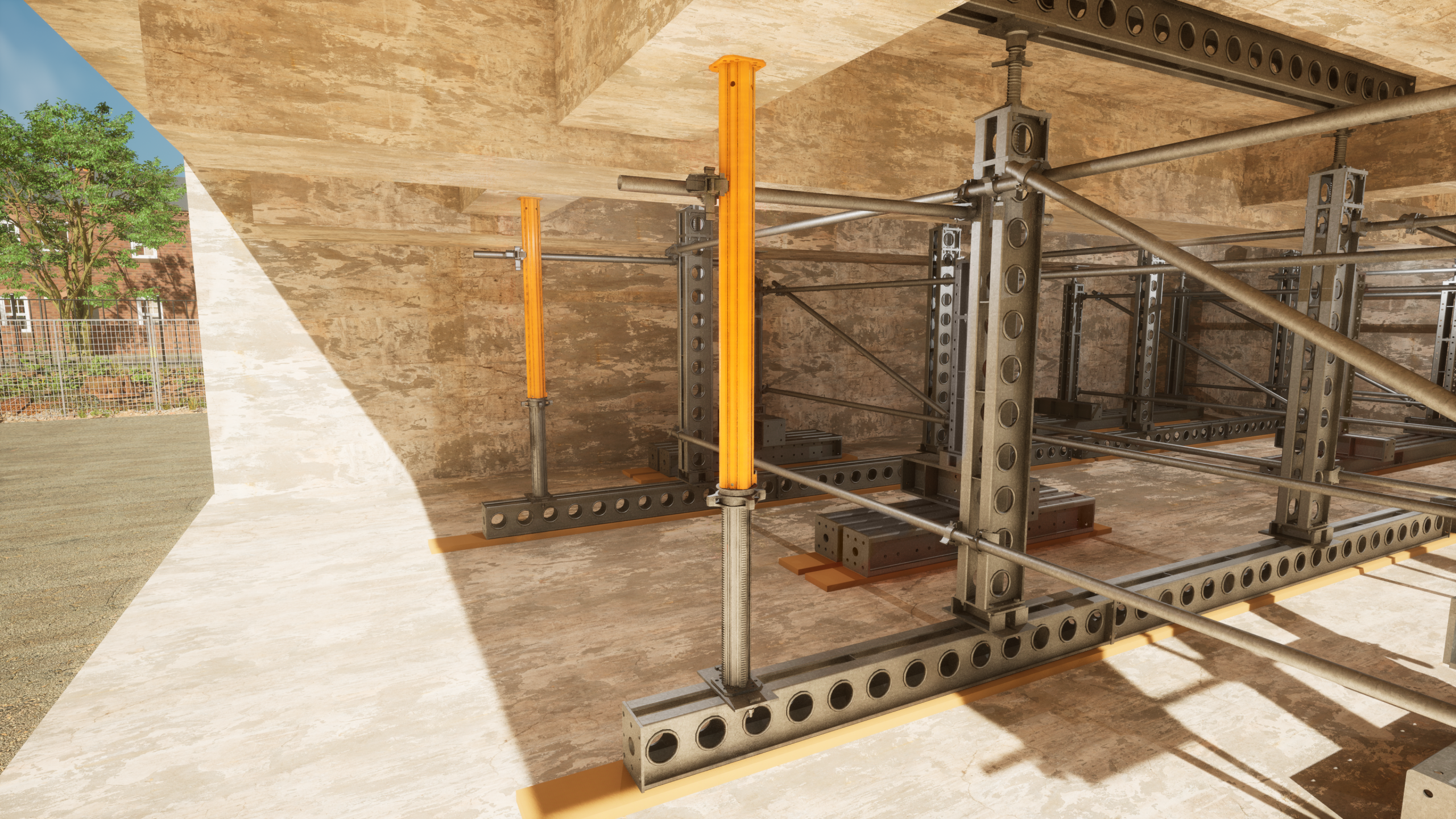
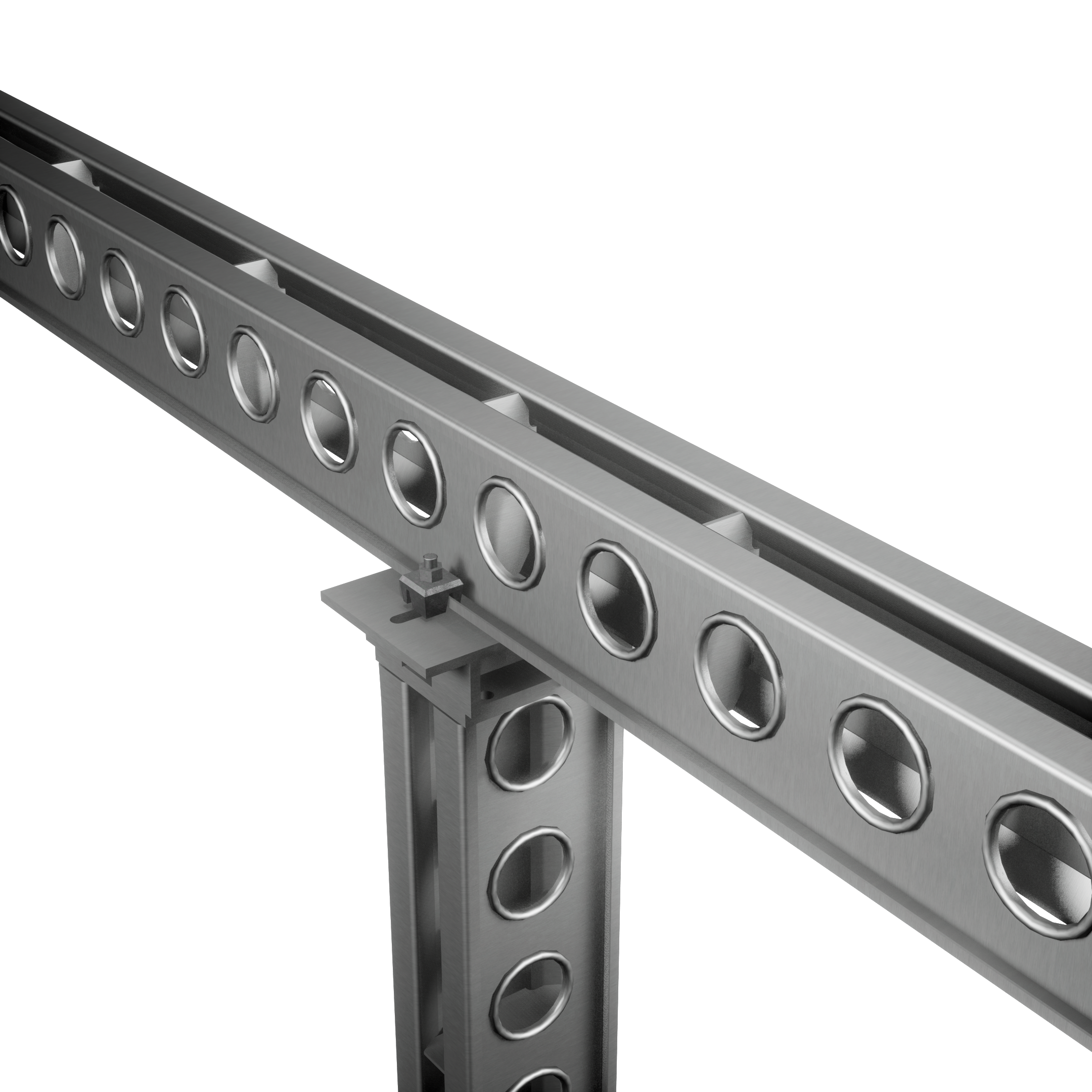
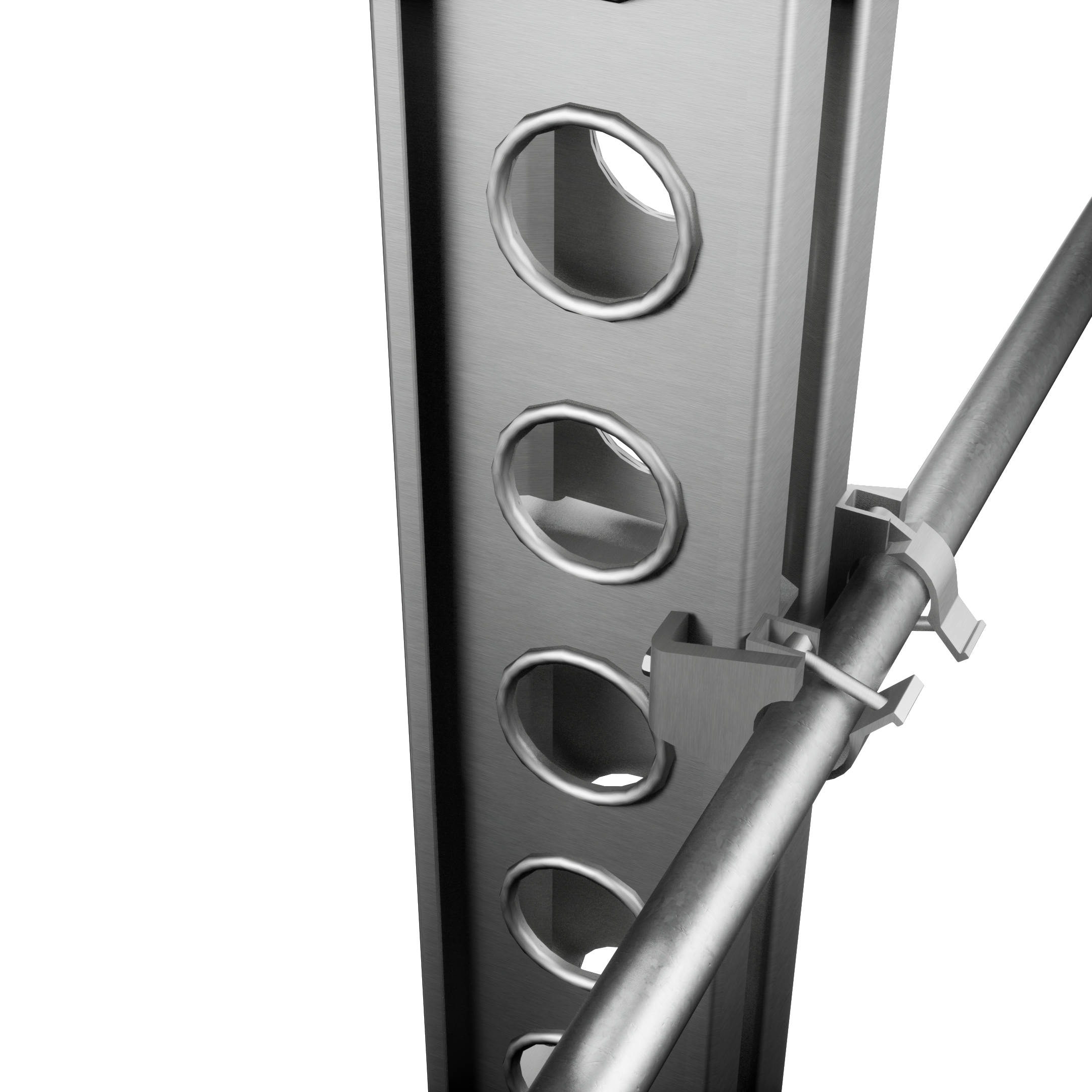
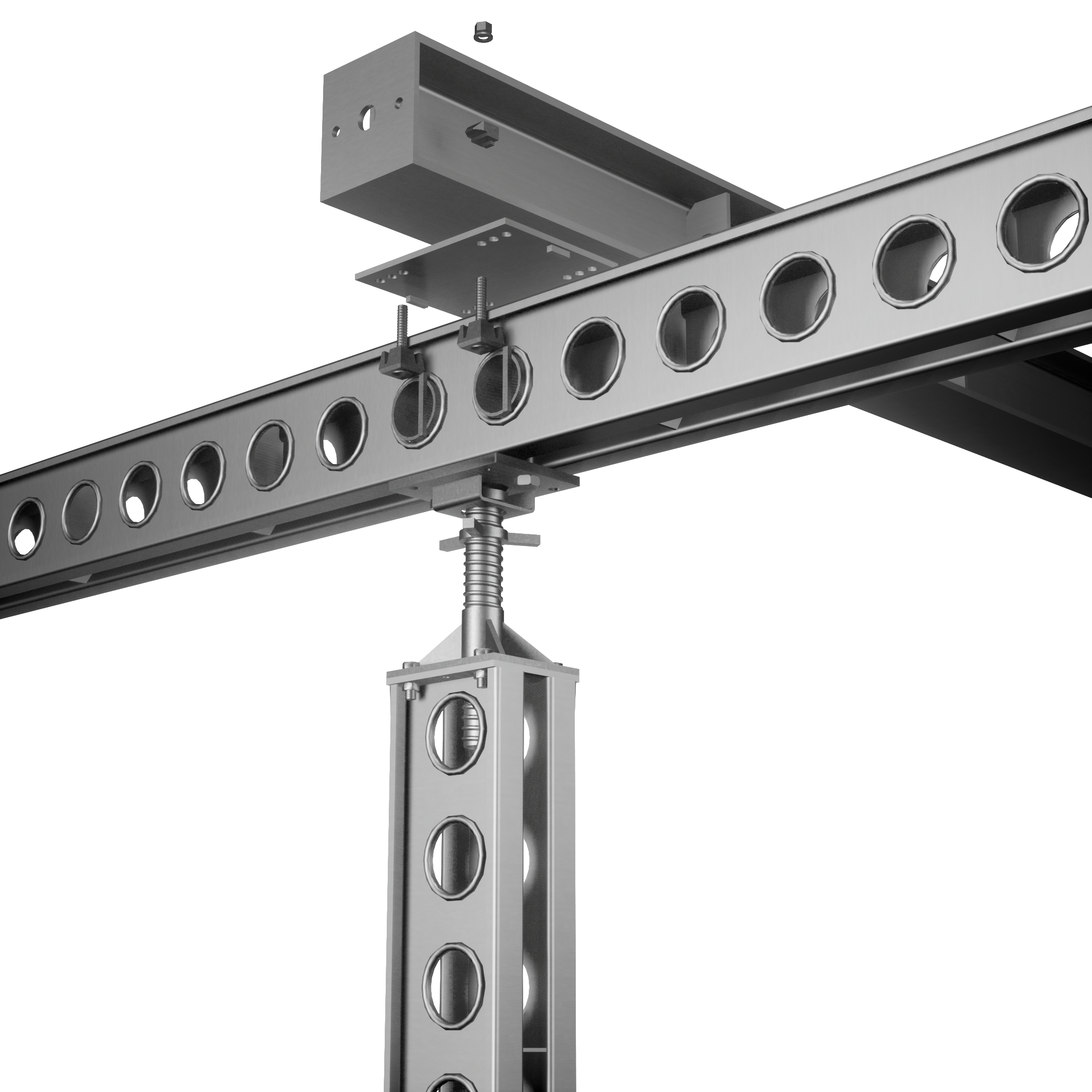
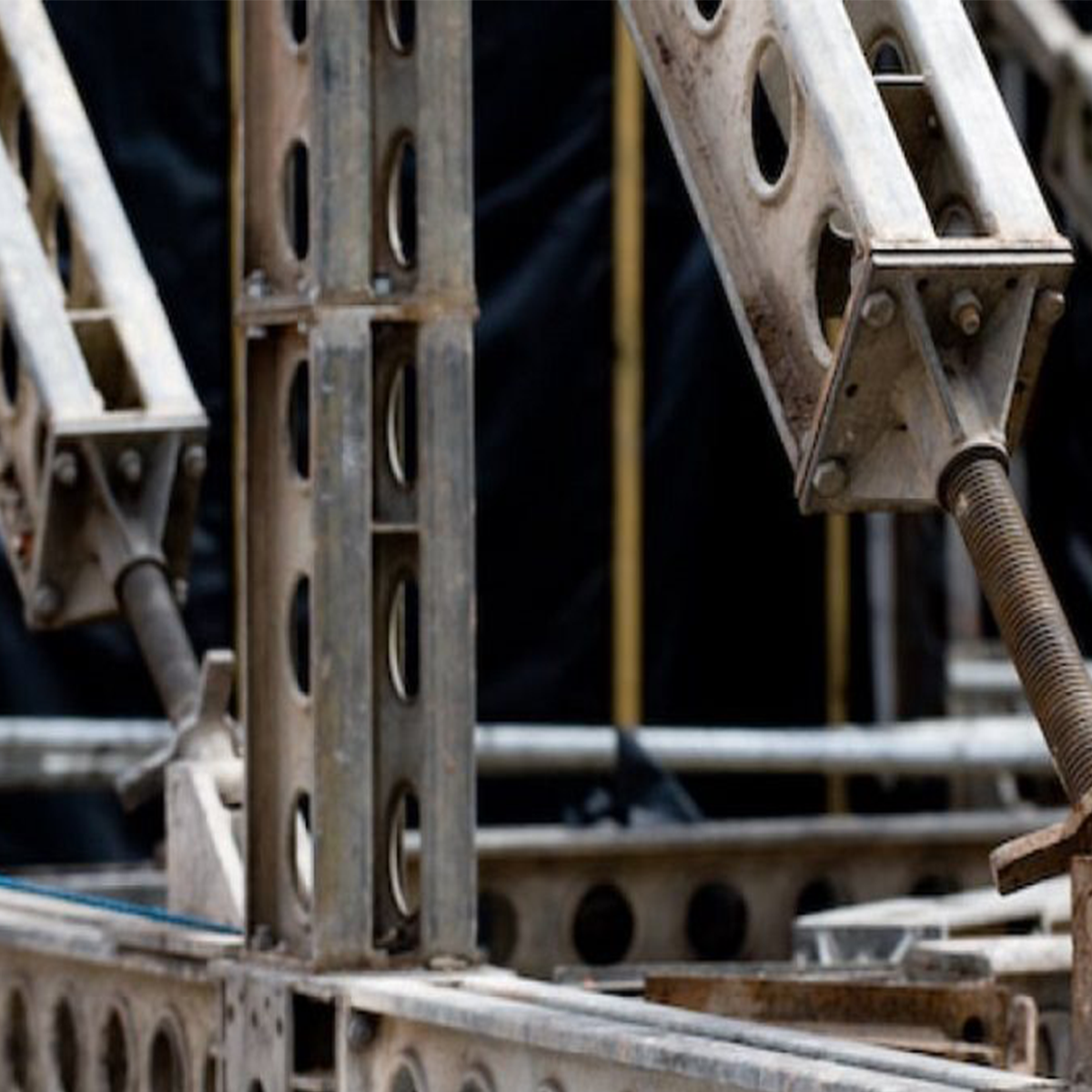
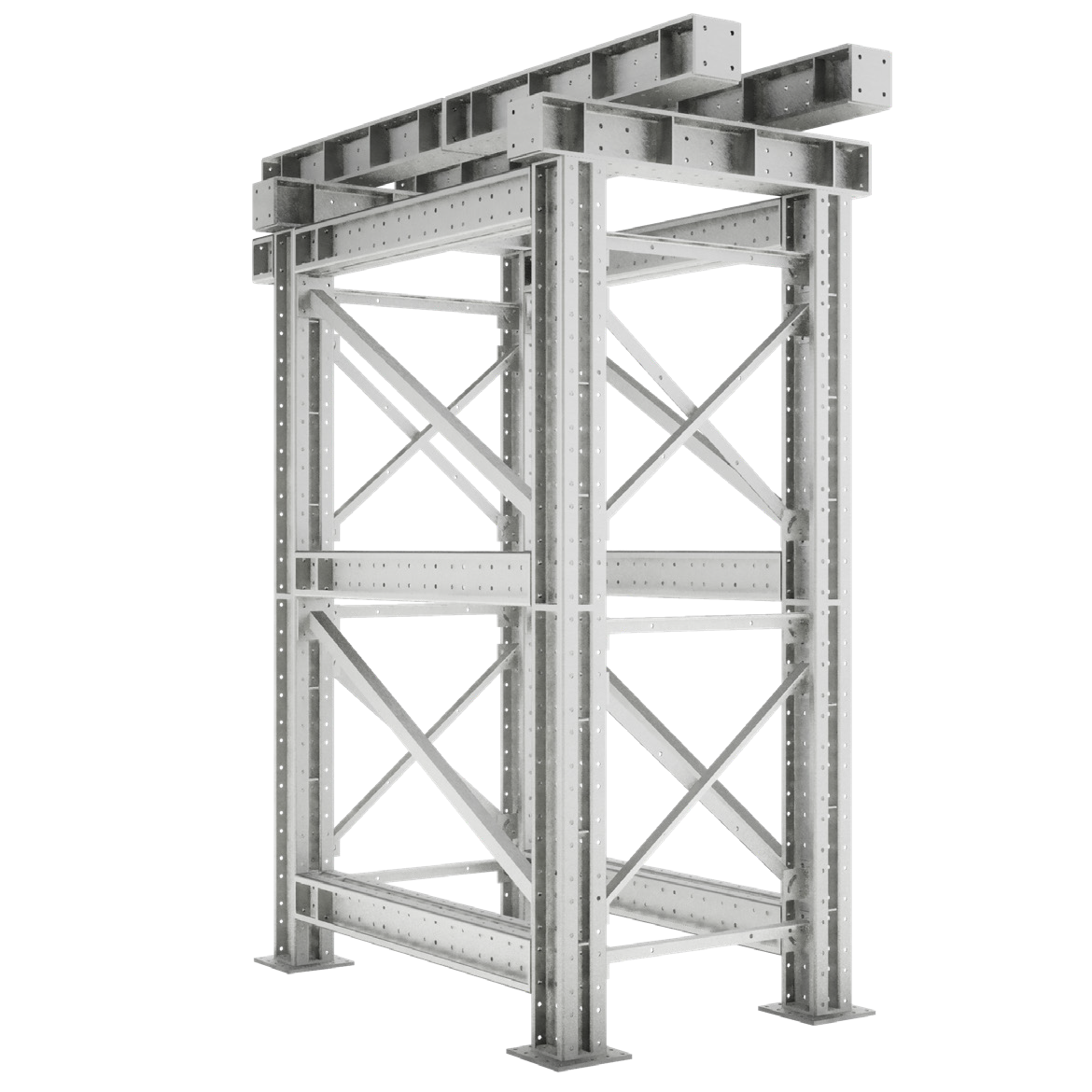
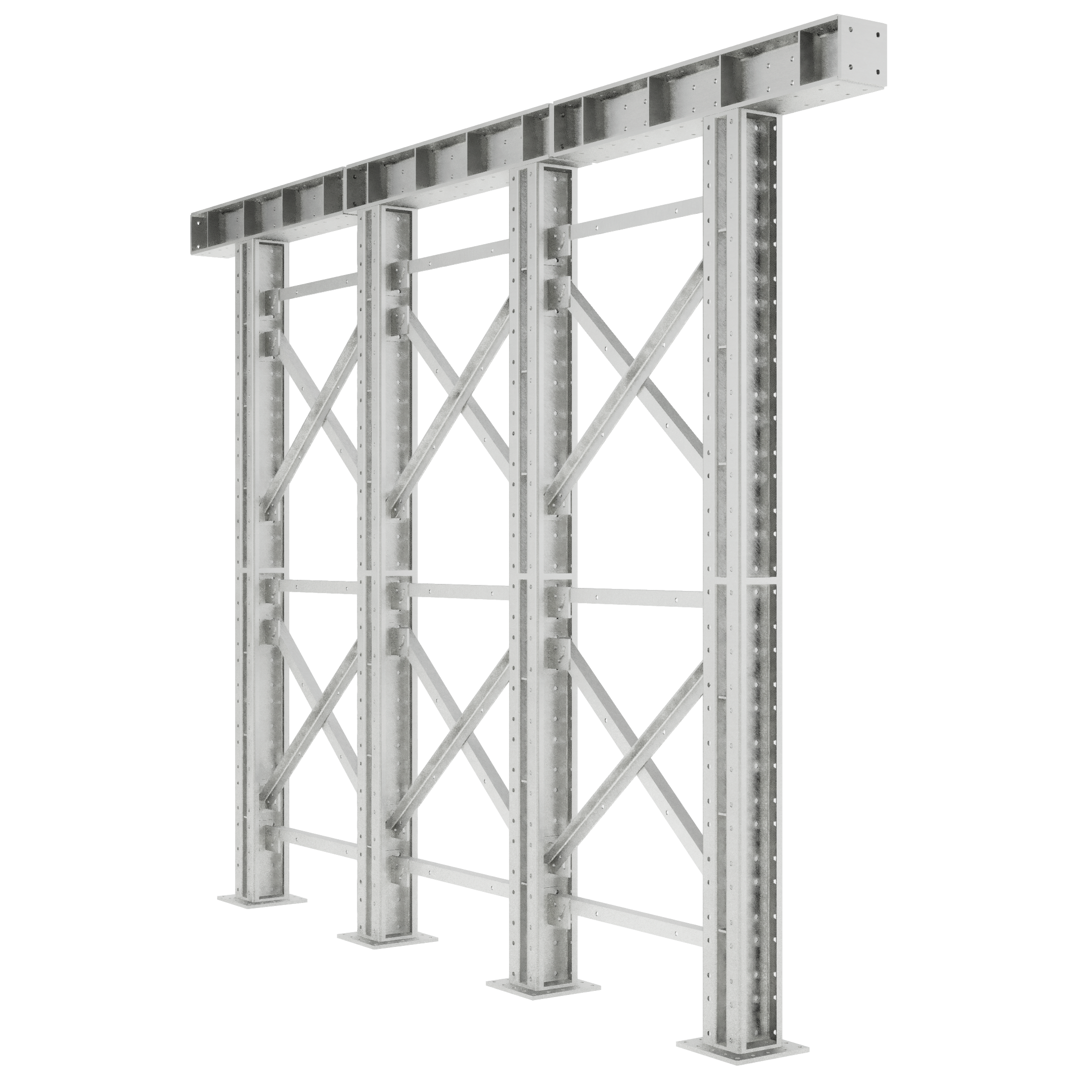
Product TypePropping solutions provide essential structural support during construction, refurbishment or emergency works. From supporting walls and floors to holding up bridges and temporary structures, these systems ensure stability in even the most complex environments. Engineered for strength and flexibility, they can be quickly adapted to suit a wide range of sites and loads, helping maintain safety, reduce risk and keep work moving without compromise.
FAQs
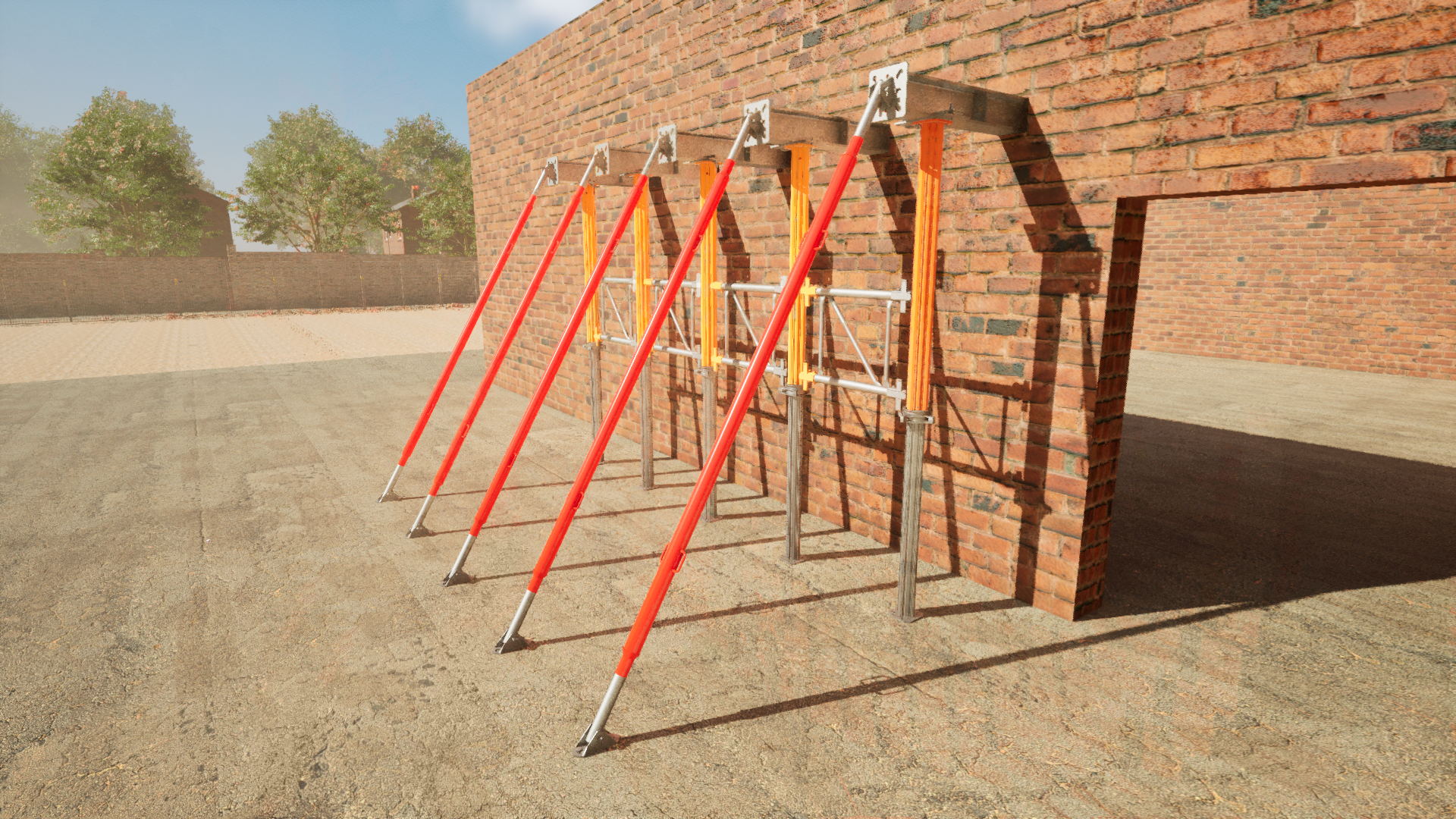
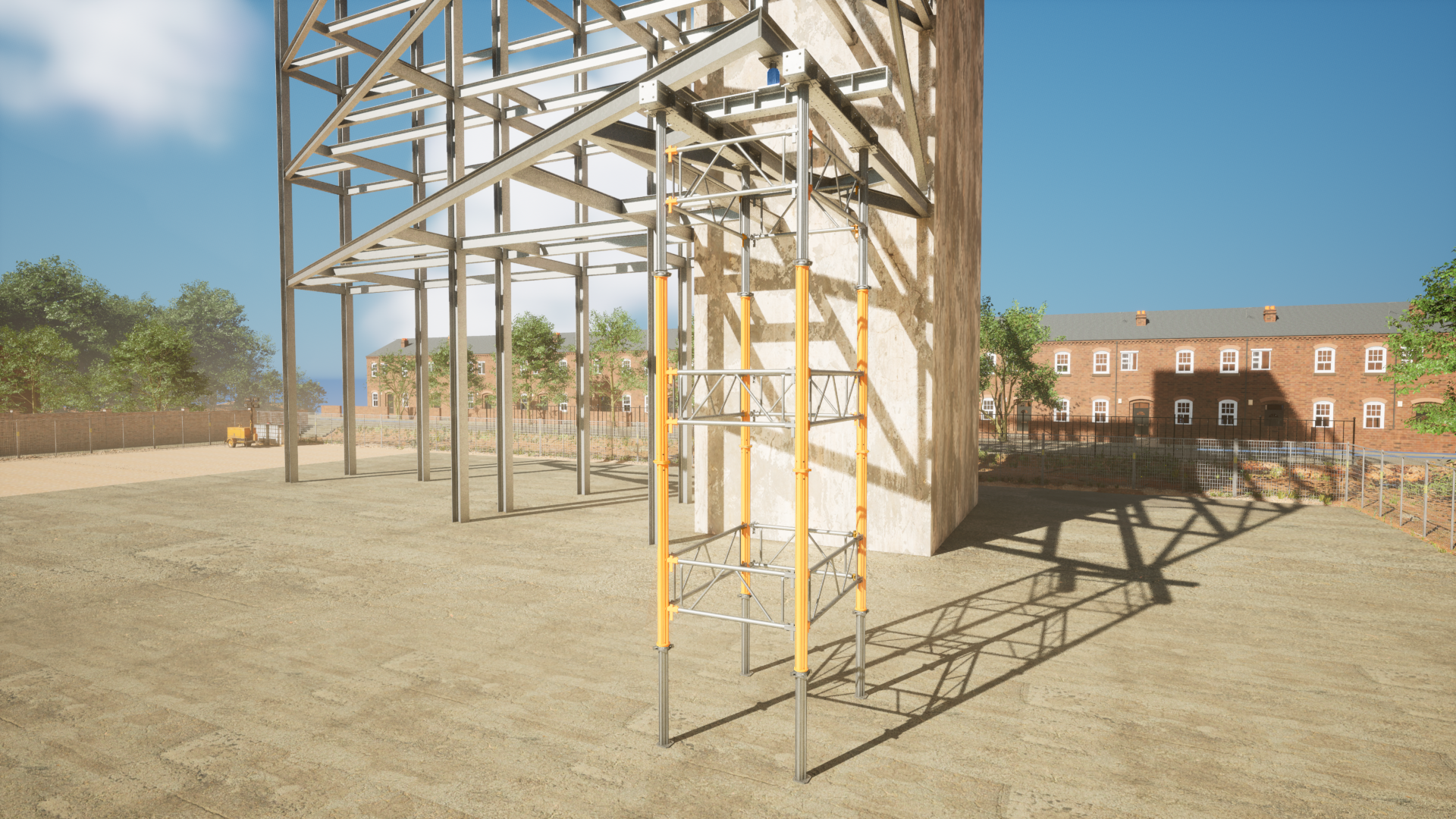
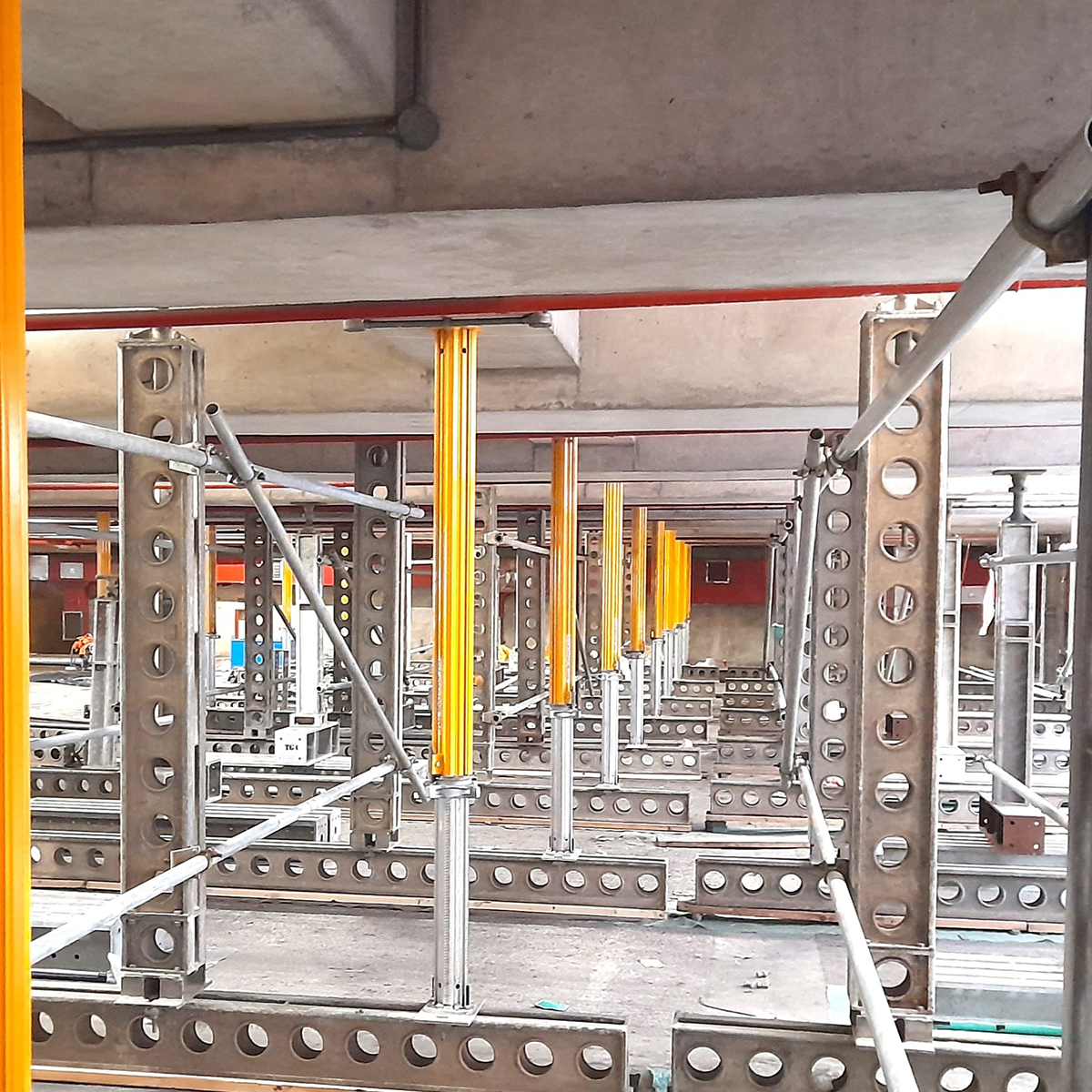
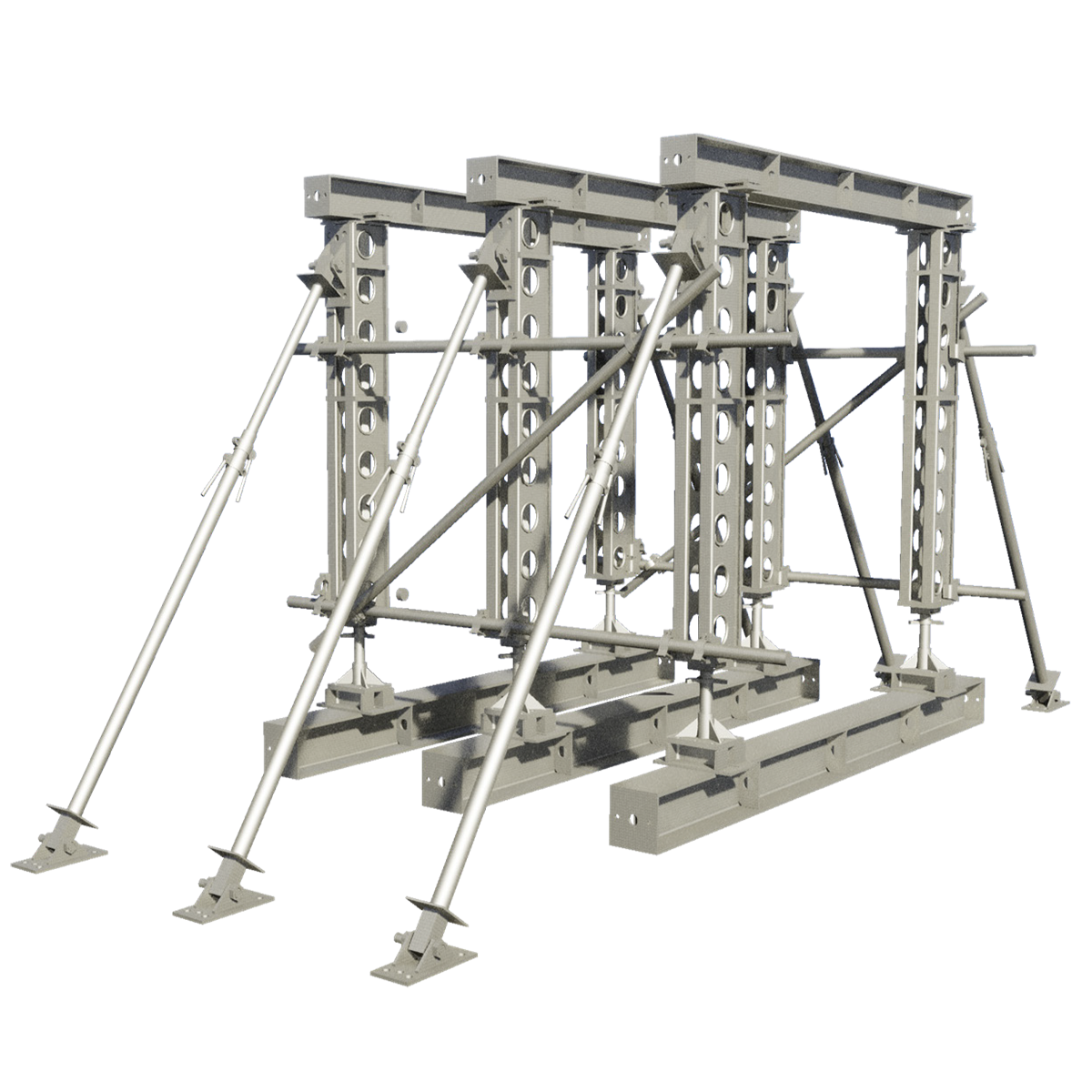
Propping in the construction industry involves using temporary supports to stabilise and bear loads during building or renovation work. This method ensures safety and structural integrity when installing, repairing, or modifying permanent elements like beams, walls, or columns. Commonly used. Certain prop types can also support various structural components, including floors, ceilings, and formwork, ensuring that construction activities are carried out safely and efficiently.
Propping is required in construction whenever temporary support is needed to maintain structural stability and safety. Common scenarios include:
- During demolition or alteration: When removing or modifying load-bearing elements like walls, beams, or columns.
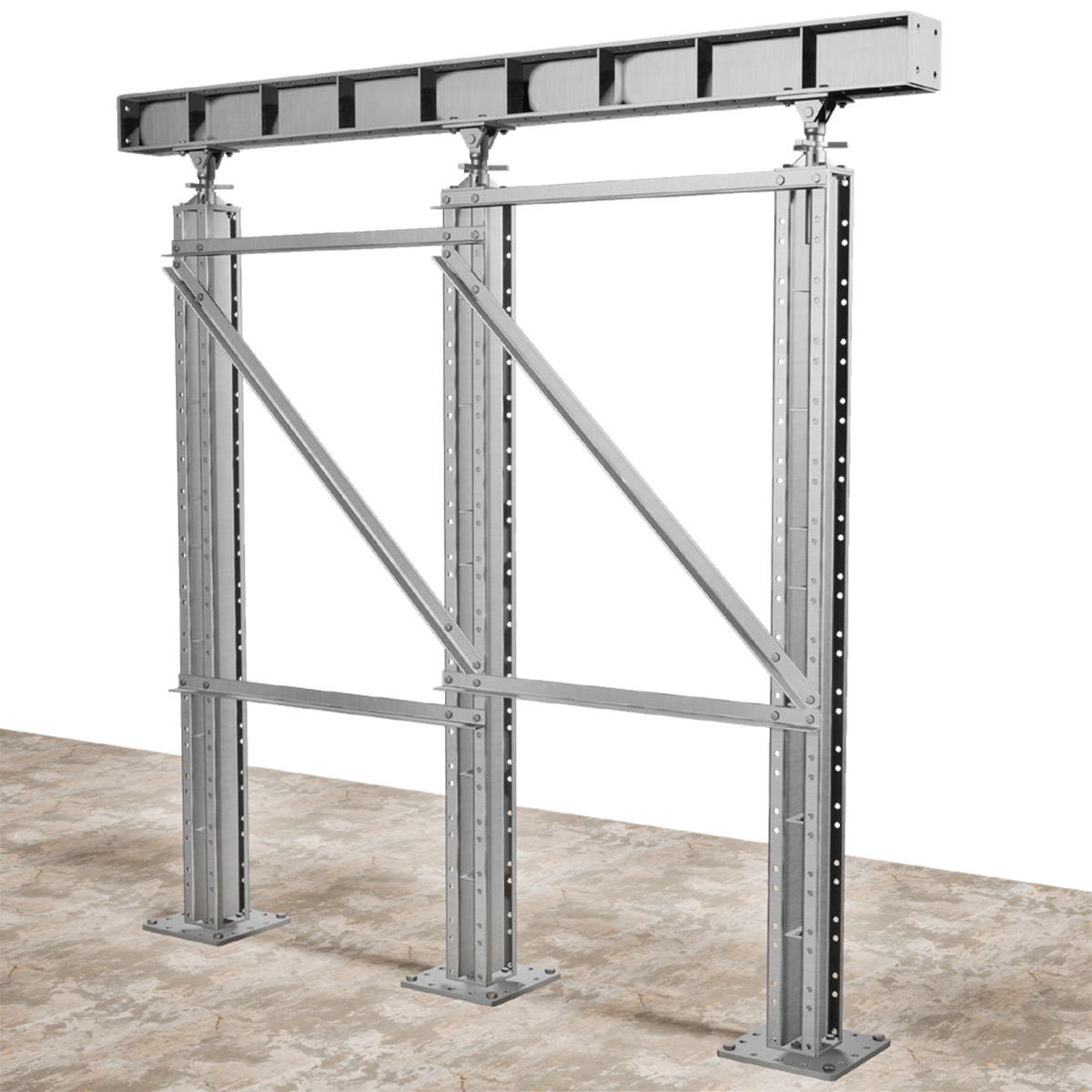
- Formwork support: To hold formwork in place while concrete sets and gains strength.
- Structural repairs: To support damaged or weakened structures during repair work.
- Construction of multi-level buildings: To support upper floors or heavy loads until permanent supports are installed.
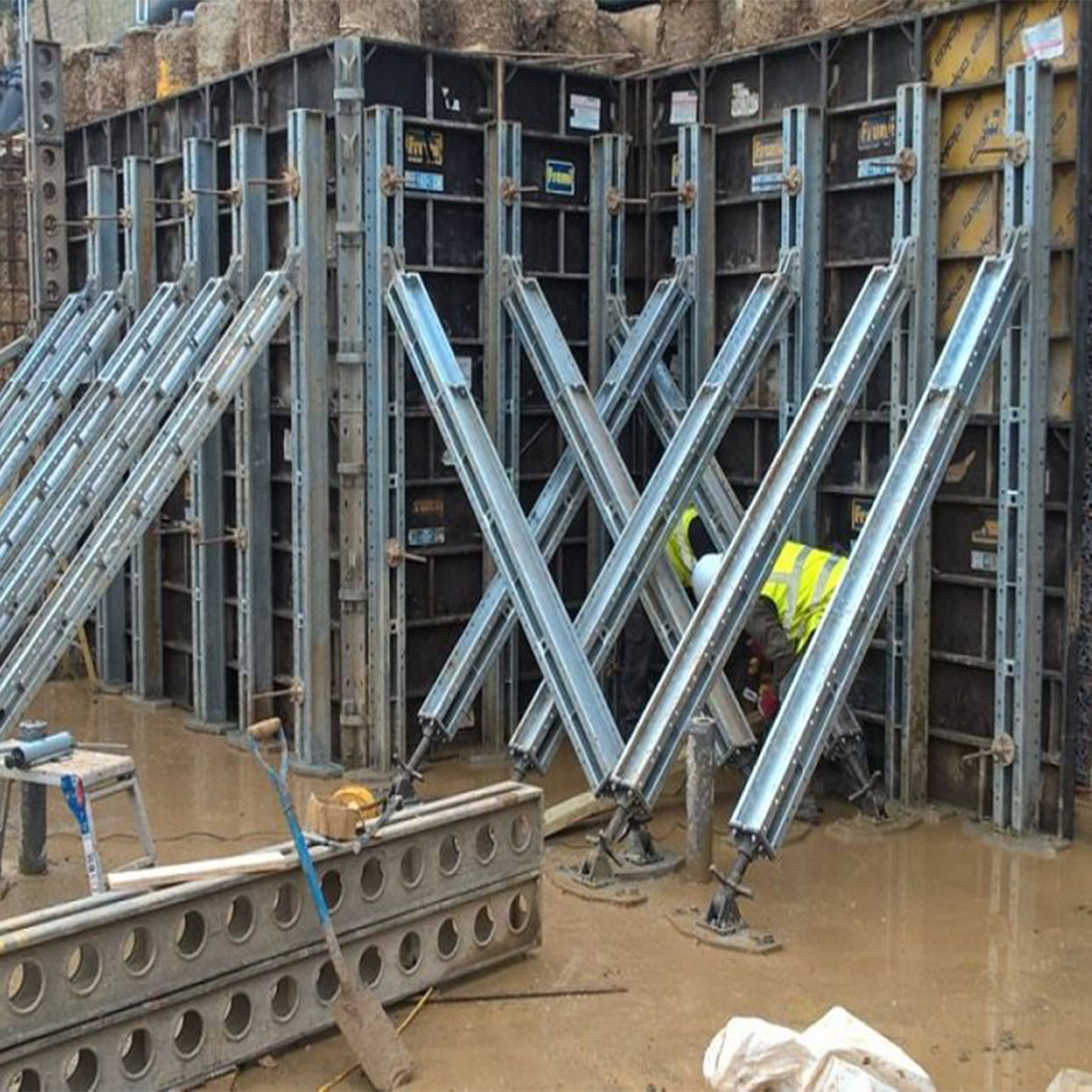
- Excavation support: To prevent soil collapse and stabilise excavated areas.
Different types of propping systems in construction include:
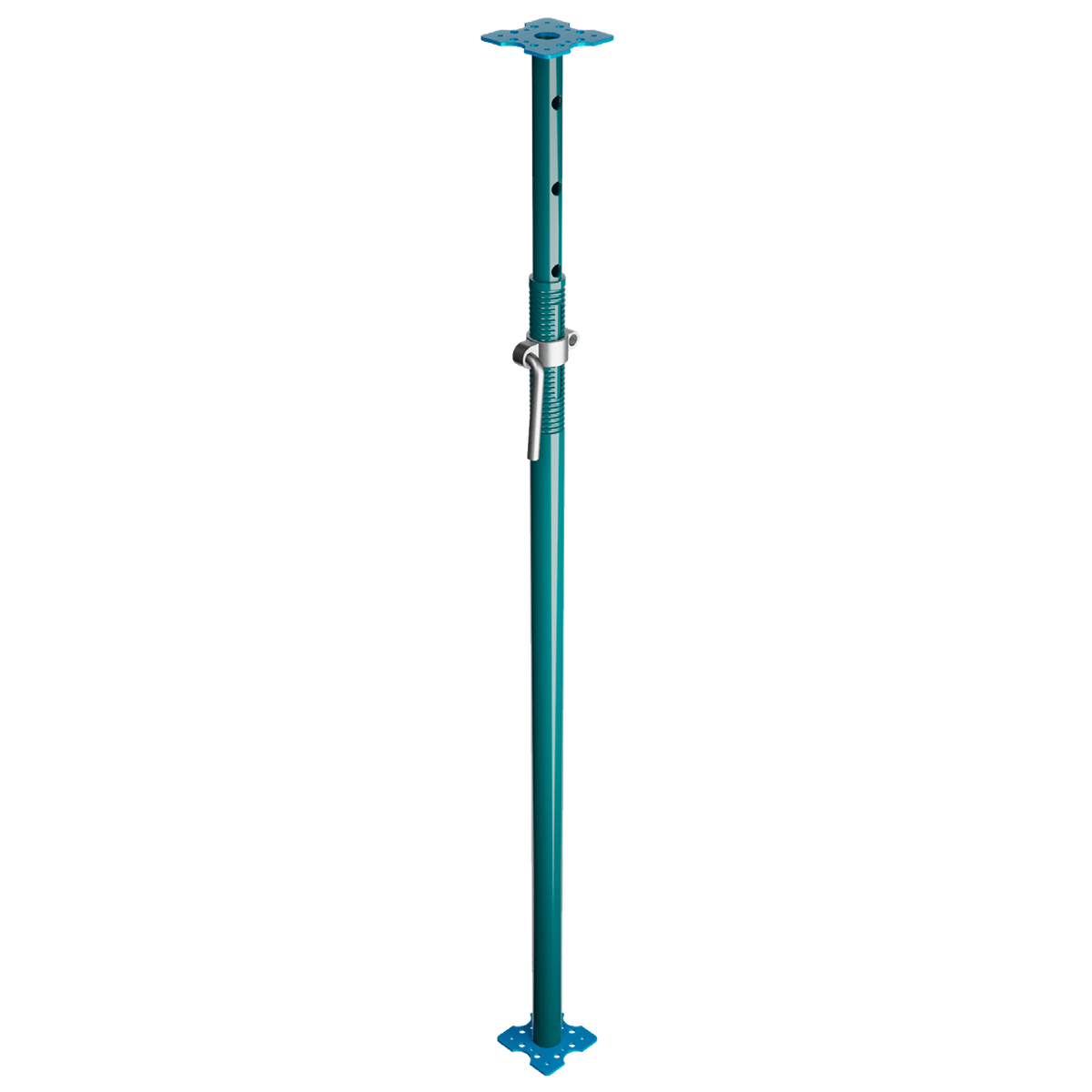
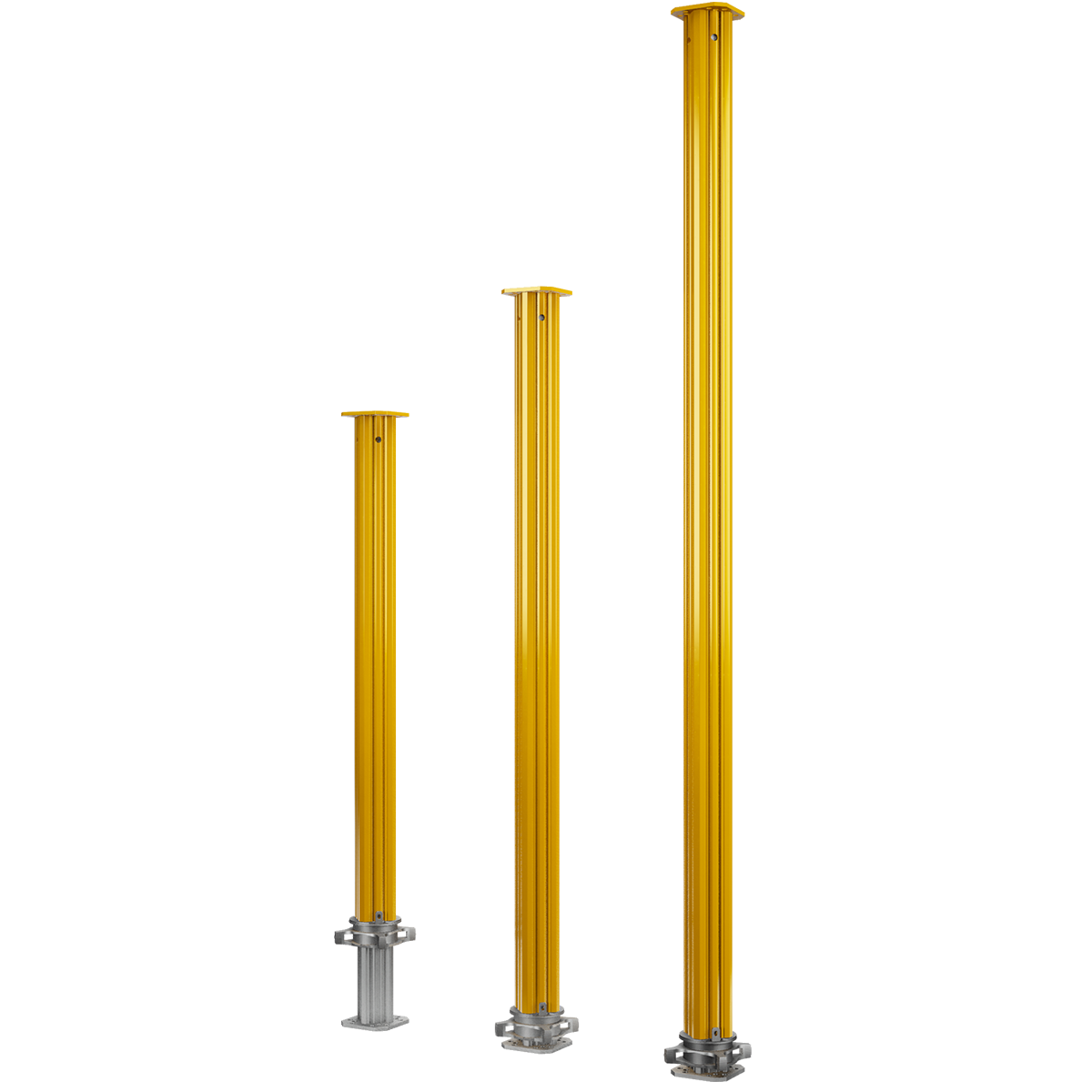
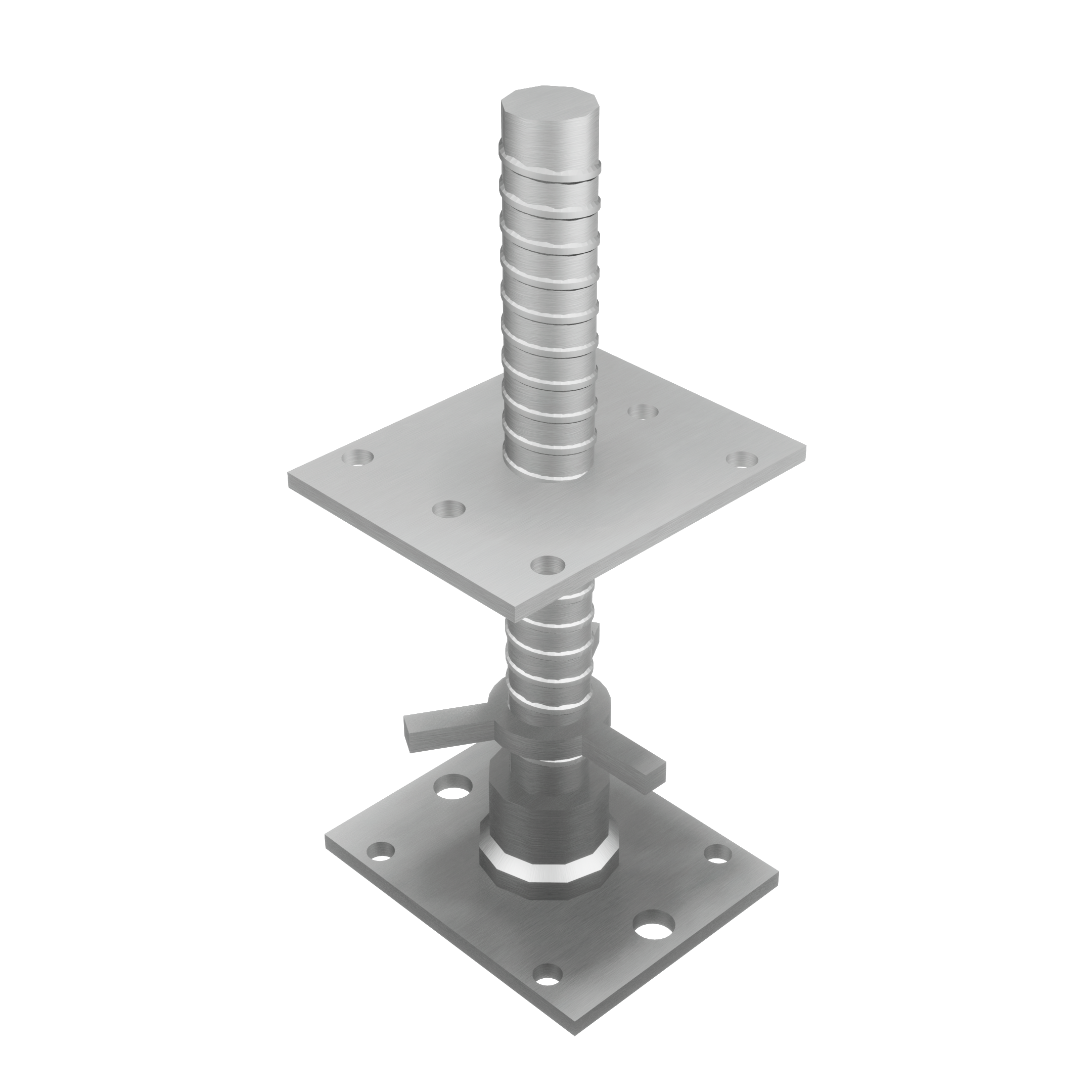
- Adjustable steel props: Versatile and commonly used for supporting beams, floors, and ceilings.
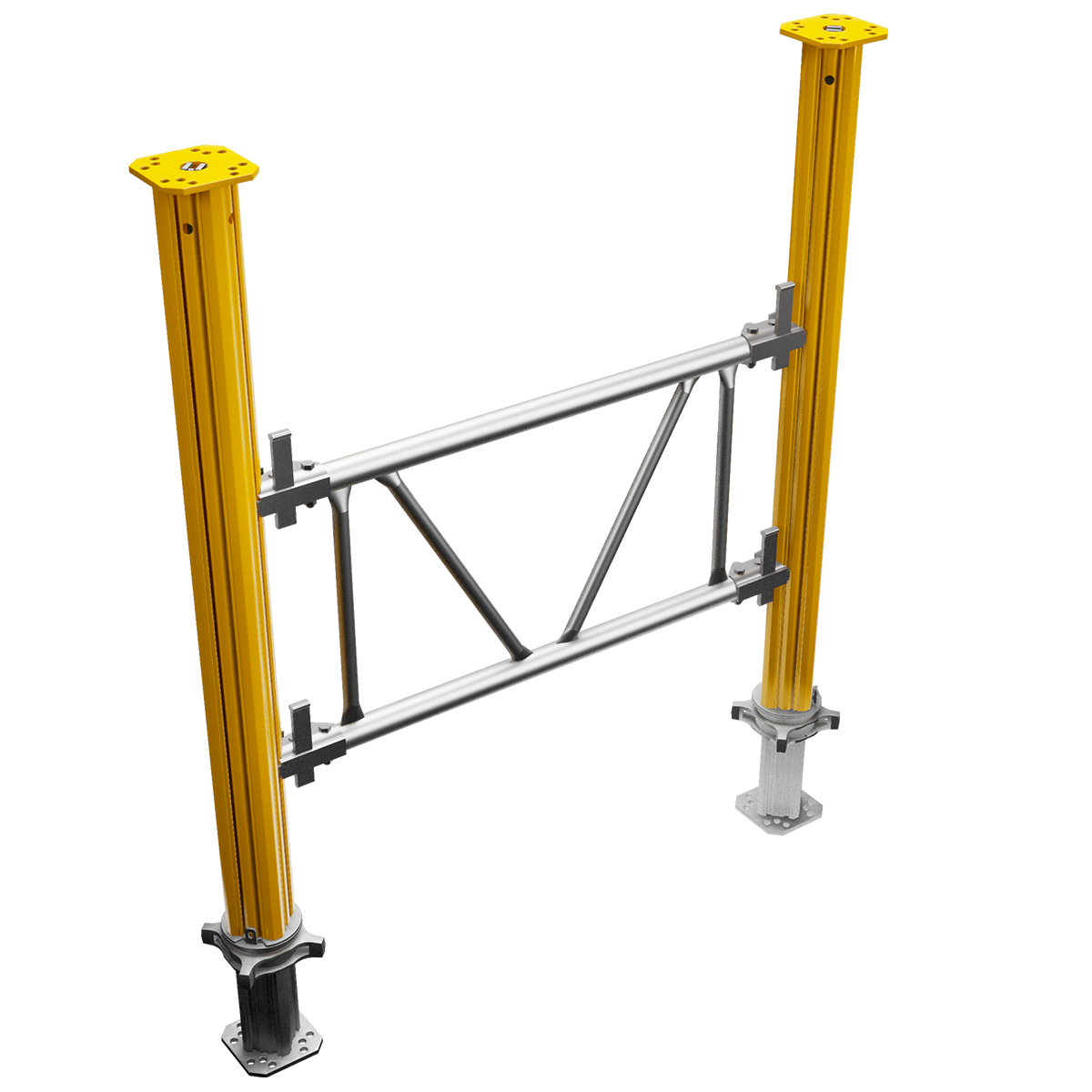
- Heavy-duty props: Designed to support large loads in more demanding construction projects.
- Needle beams: Support walls or structures when openings are being made, such as for doorways or windows.
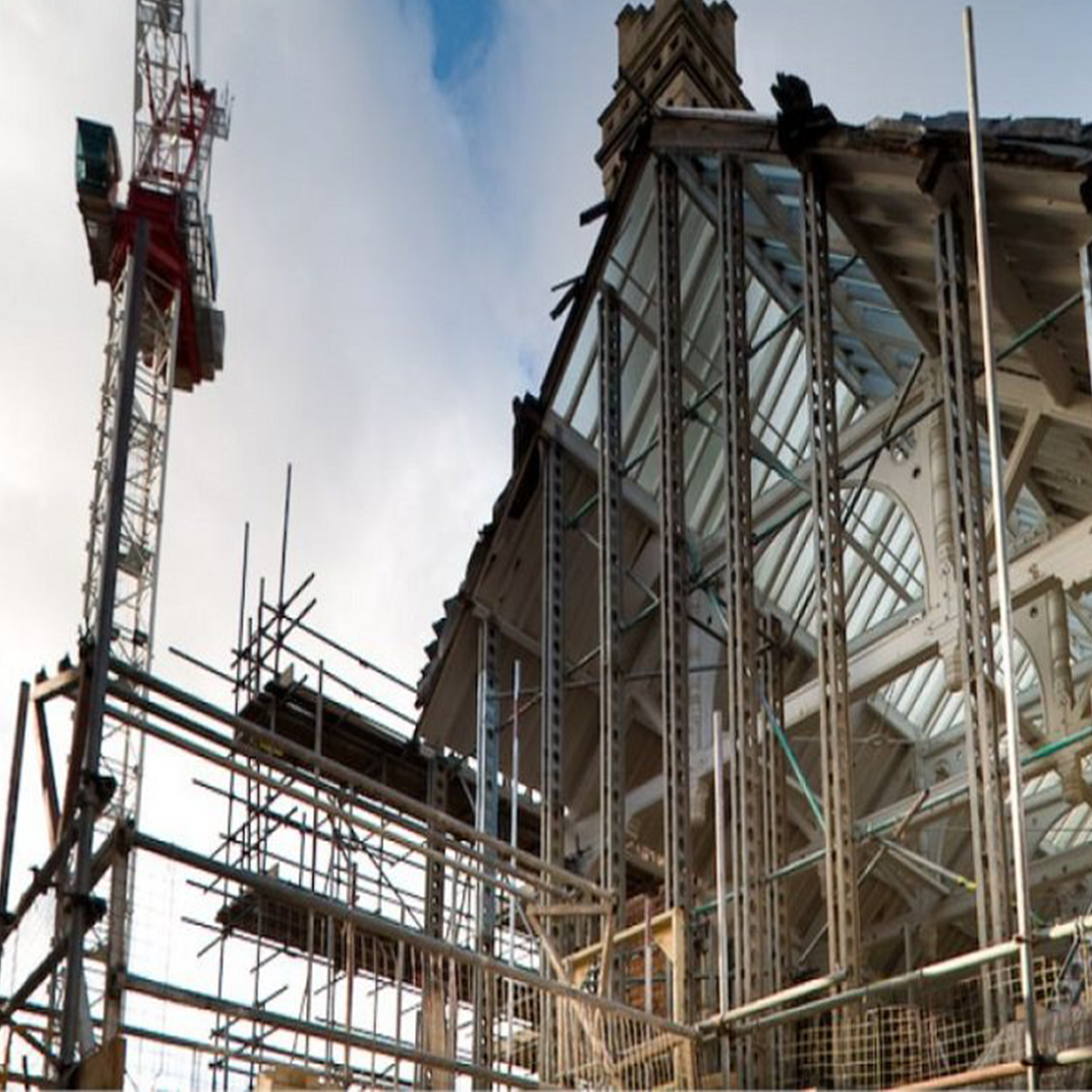
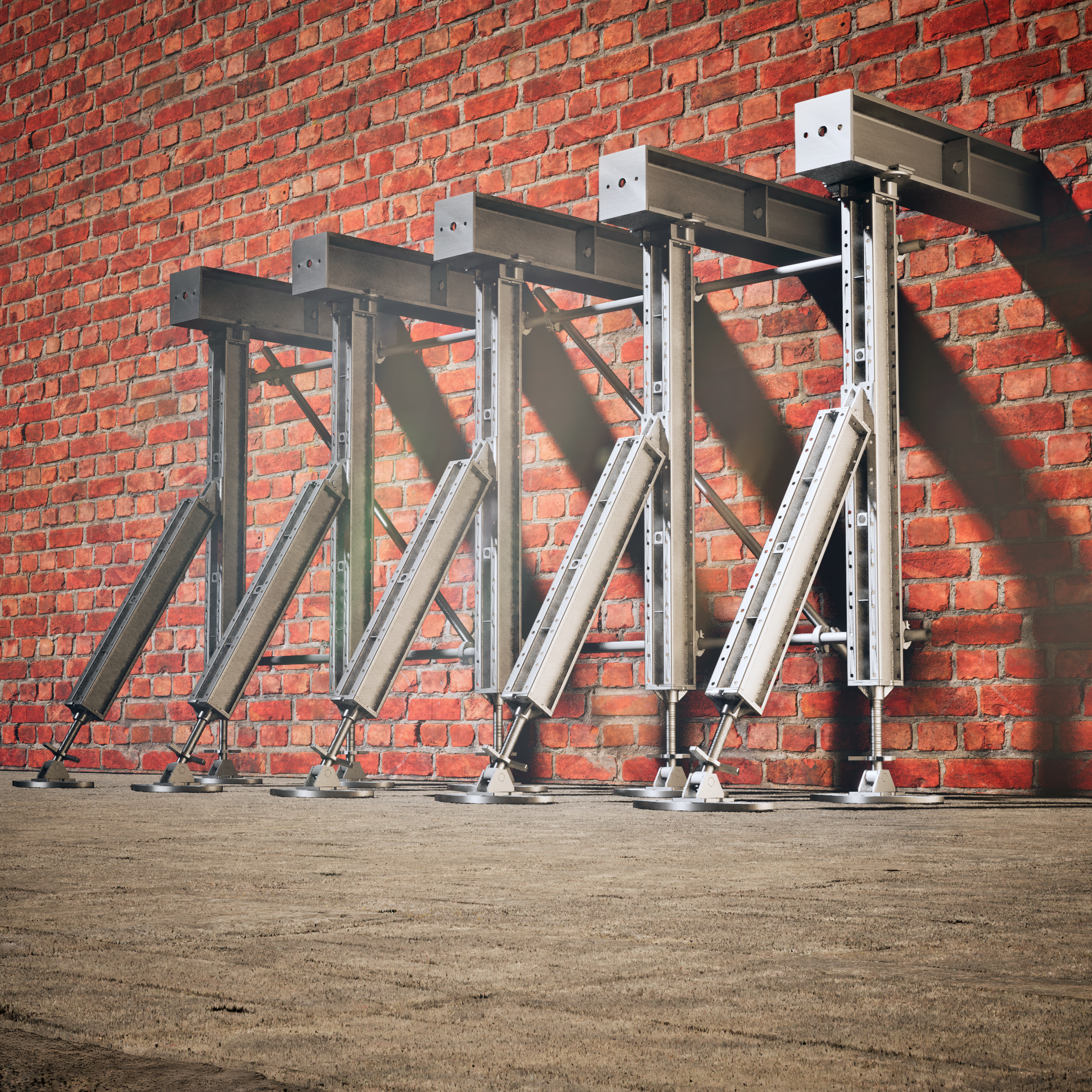
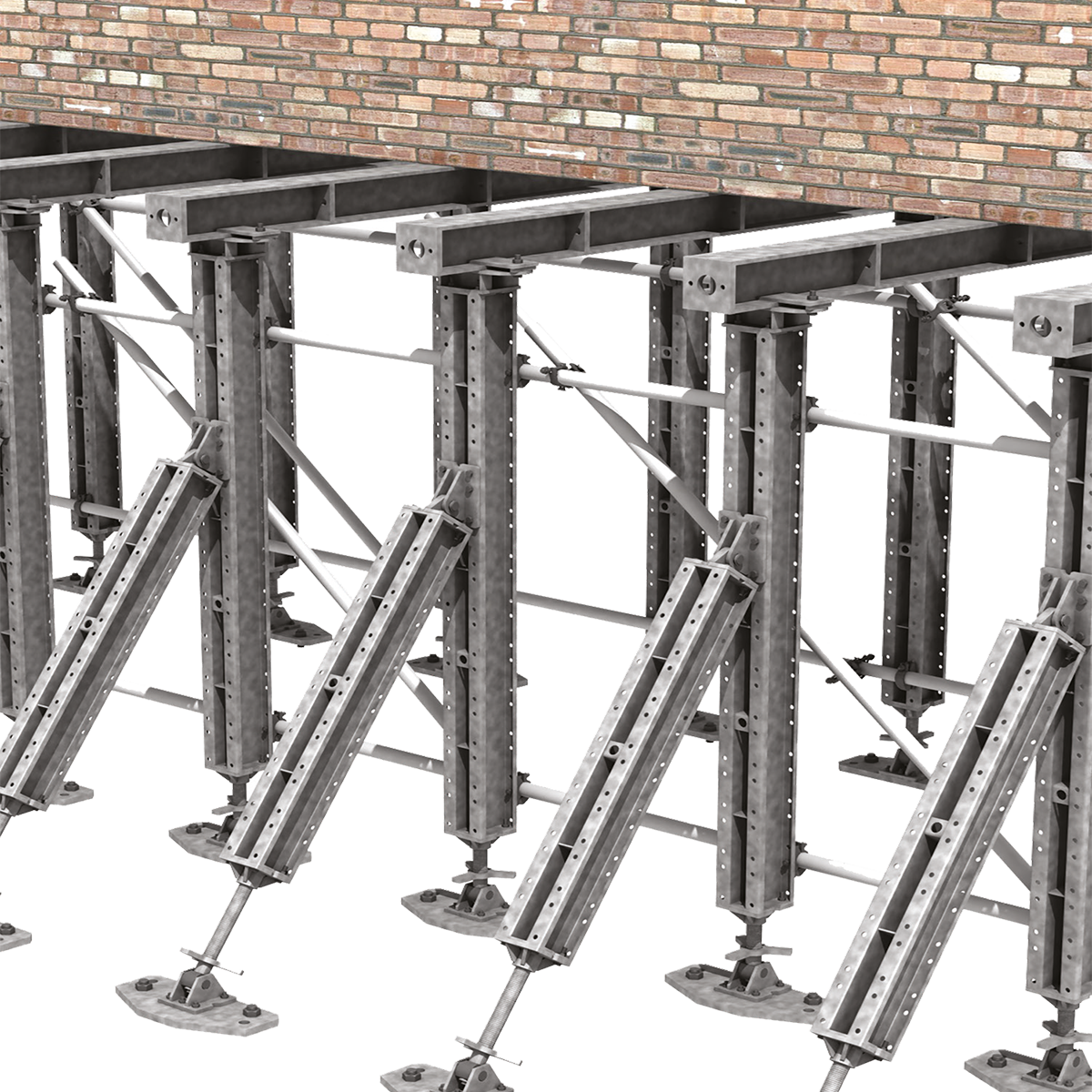
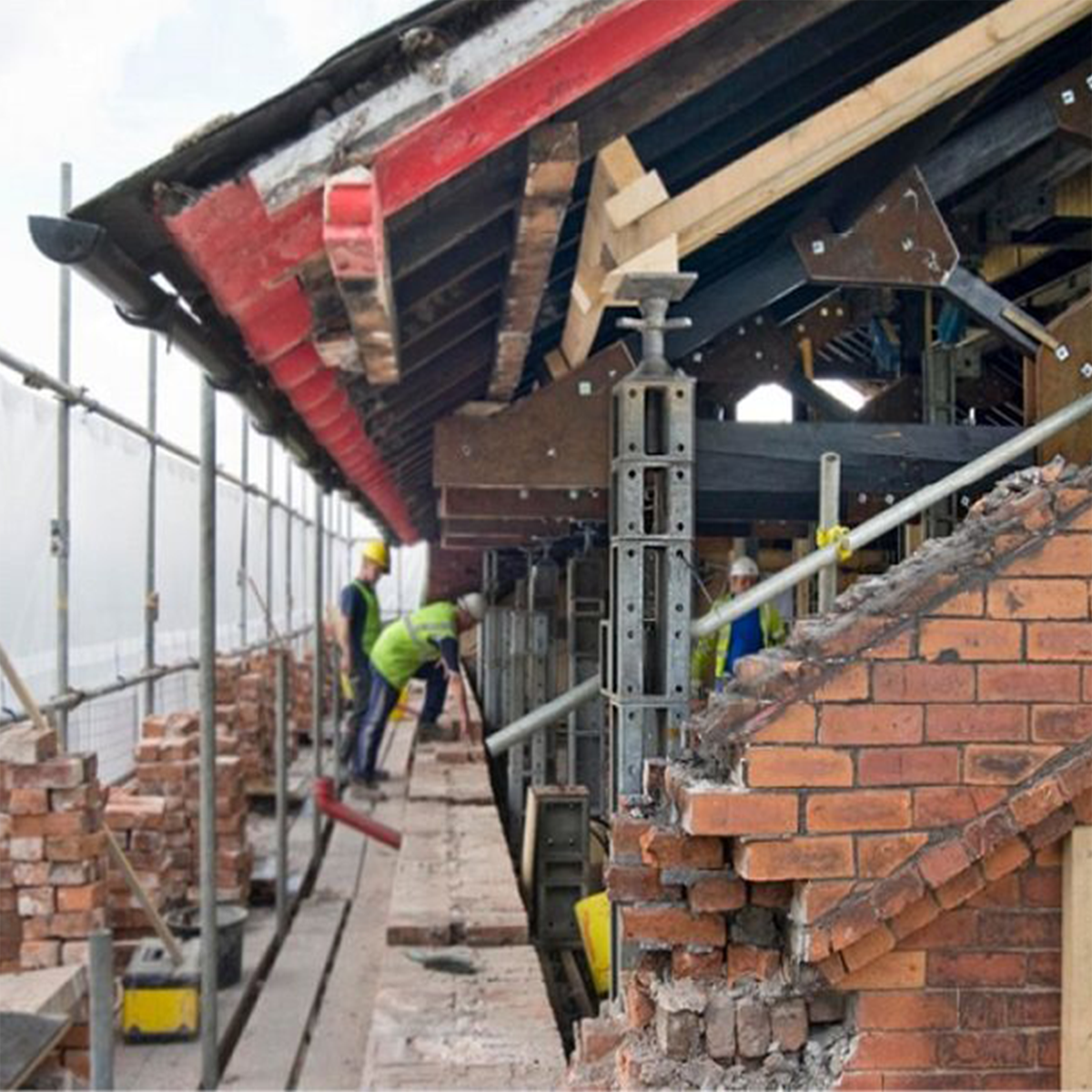
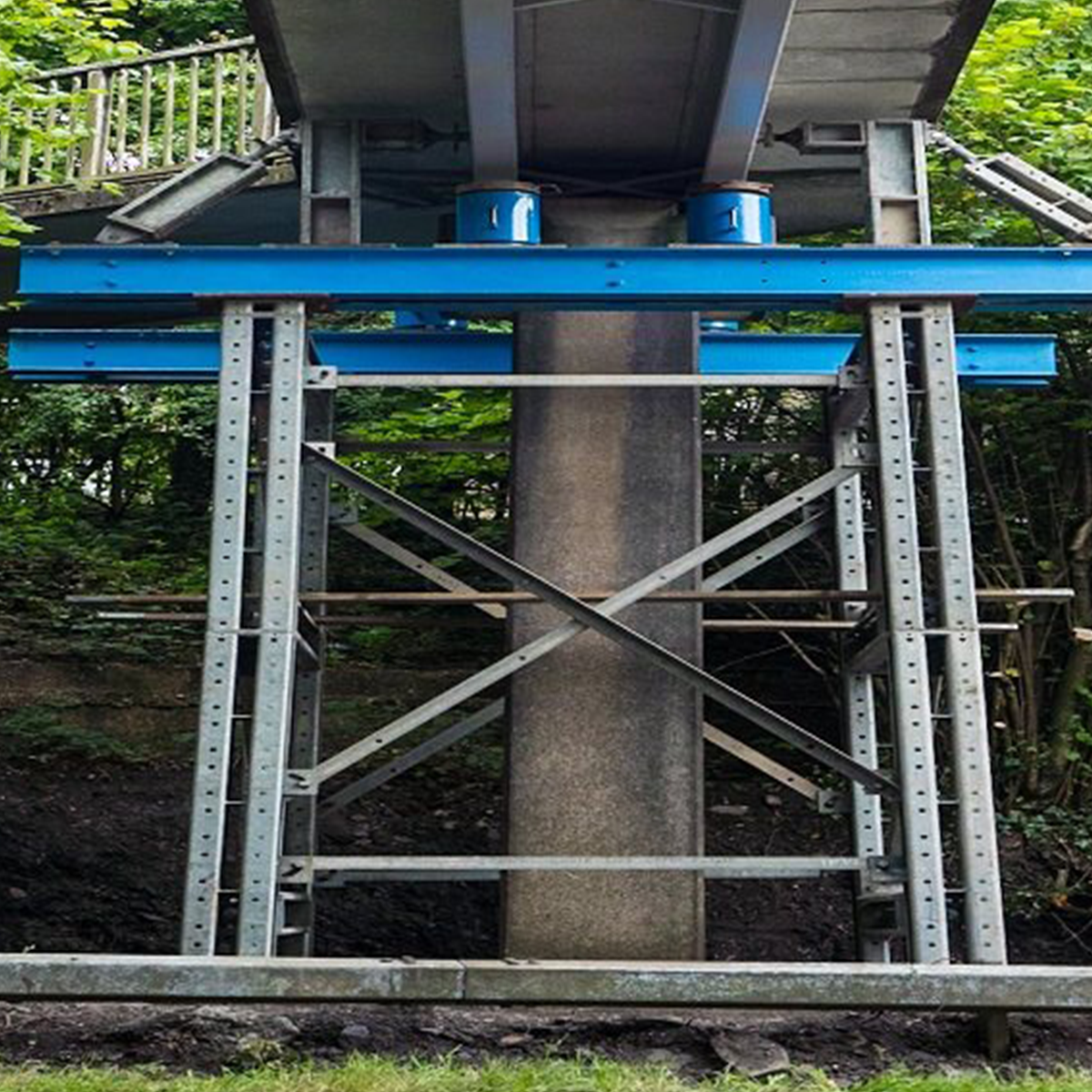
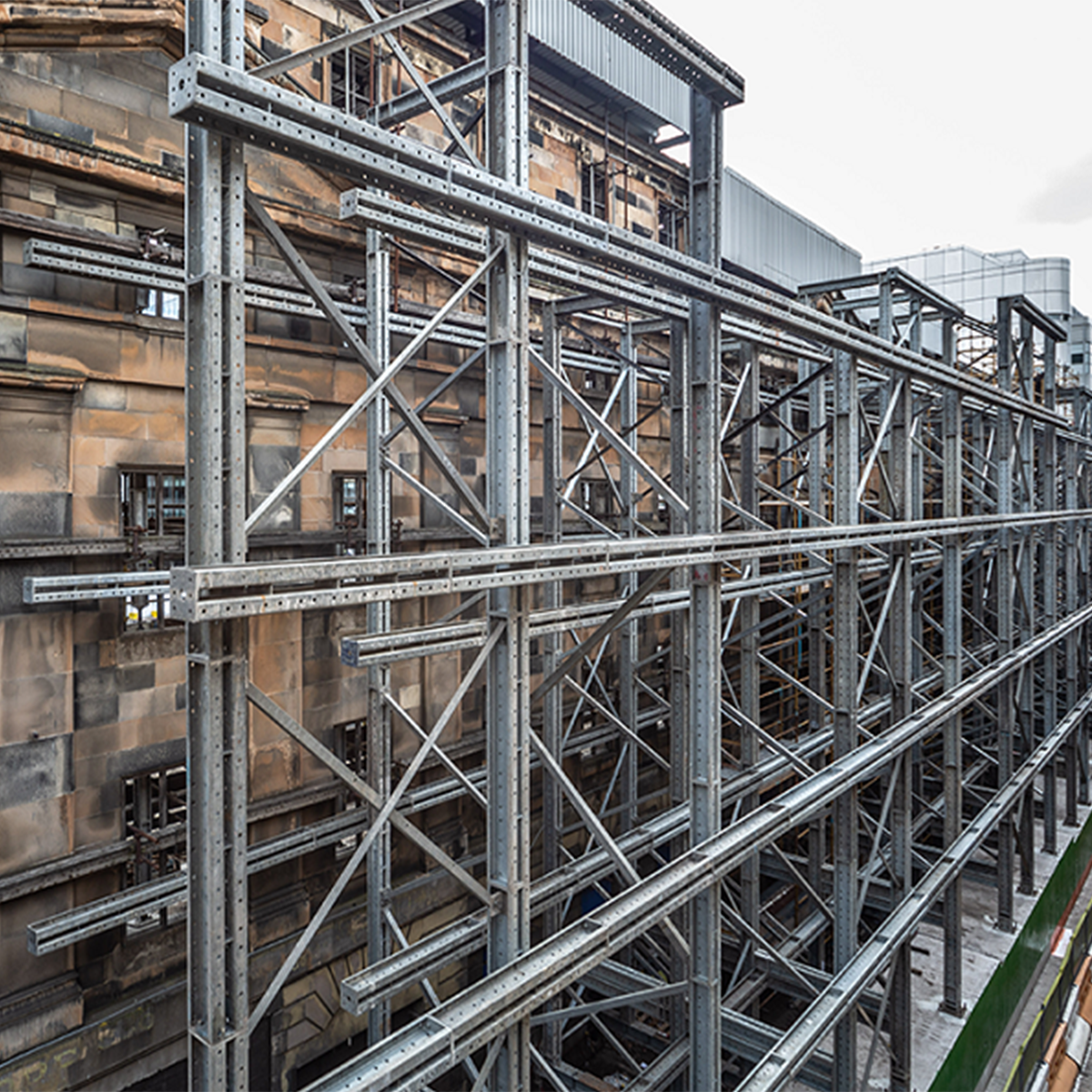
Propping applications in construction include temporary structural support for walls, beams, or columns during renovation or demolition, and formwork support (also known as falsework) to hold formwork in place during concrete pouring and curing. They are also used for load distribution to prevent overloading, shoring excavations to stabilise trench walls, and façade retention to support building facades during internal demolition. Additionally, propping is used in bridge maintenance and heavy load support for structures and machinery.
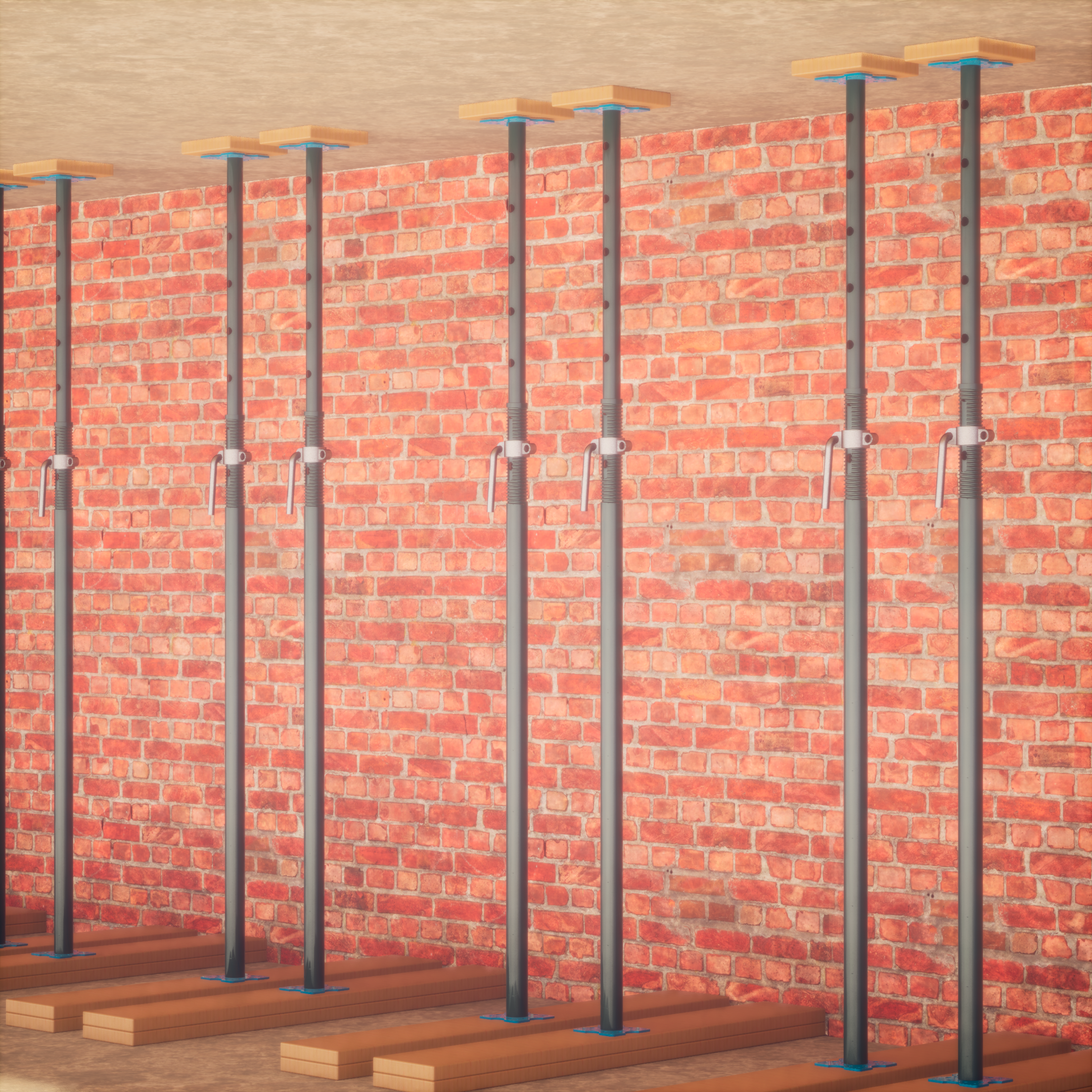
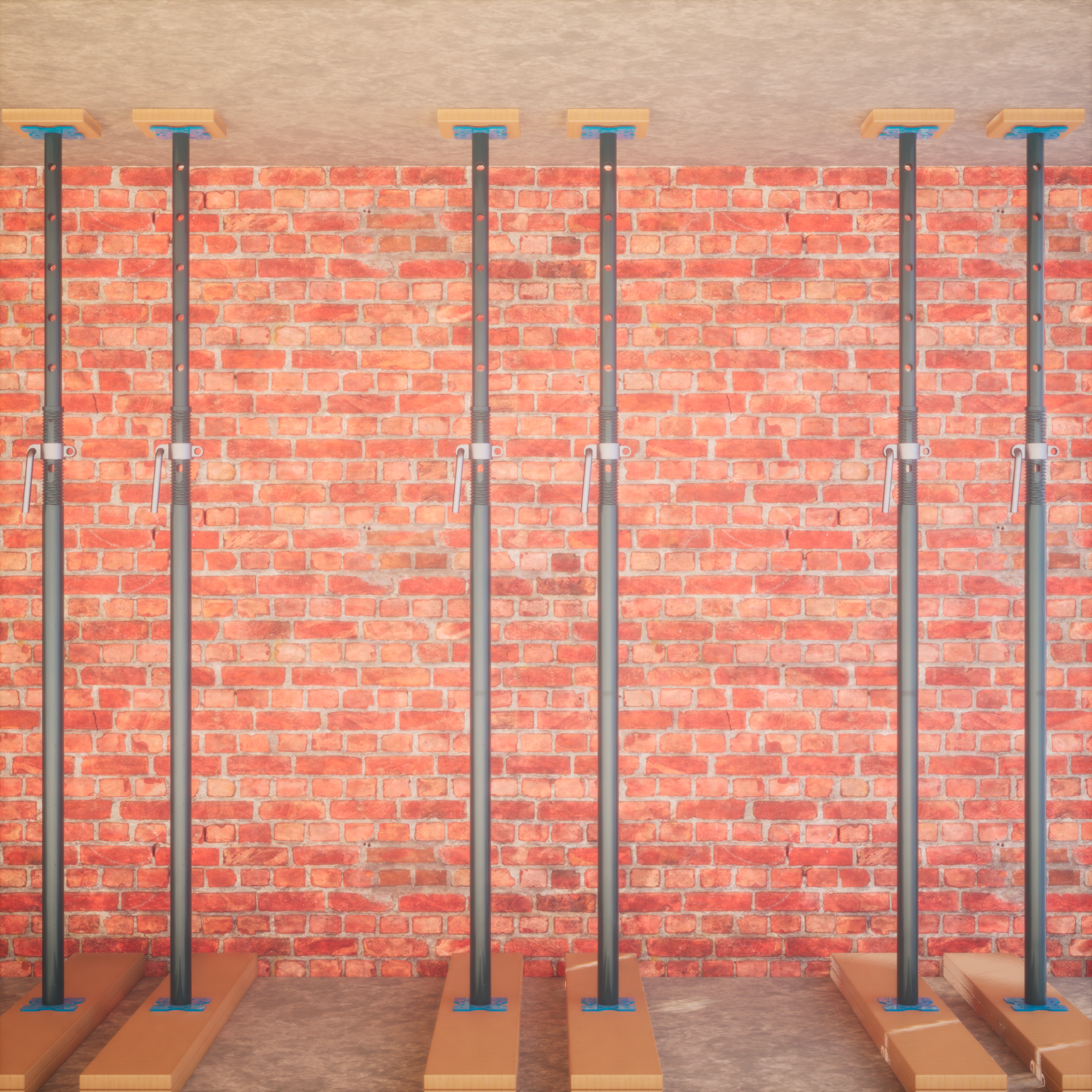
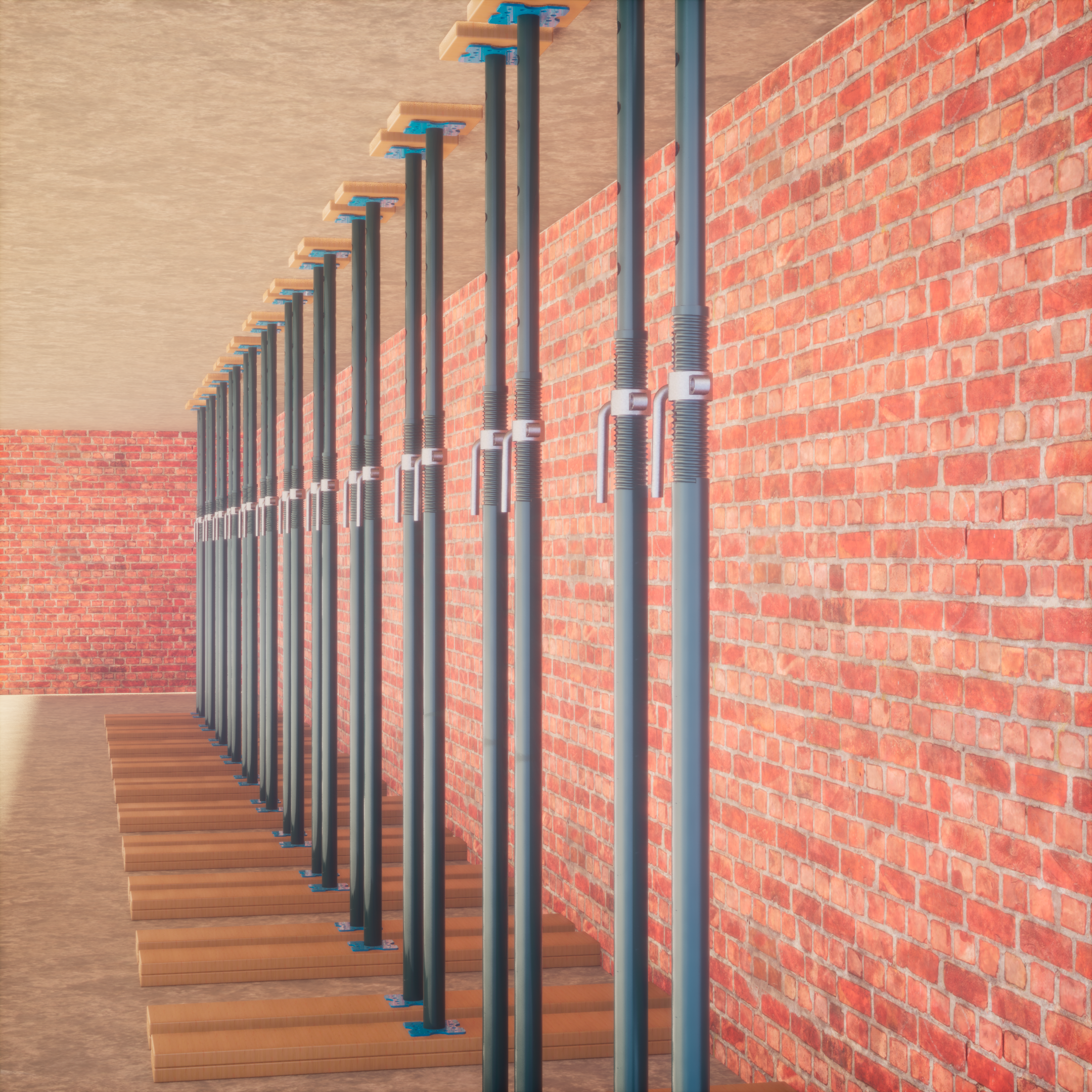
Props are positioned in a construction process by first assessing the structural requirements and identifying areas needing support. The placement points are marked, ensuring props are aligned vertically and evenly spaced to distribute loads effectively. Adjustable props are then extended to the required height and secured in place, usually between a baseplate and a headplate for stability. Props must be checked for proper alignment and load-bearing capacity before any work begins.
The exact number of props needed for a construction project will vary depending on its size and scale.
When it comes to finding the right solution for your project, we recommend following the procedure in our specific product user guides.
If you still have questions or need assistance in choosing the right product solutions for your project, please contact us to speak to our specialist team of engineers.