
Bridging & Site Access
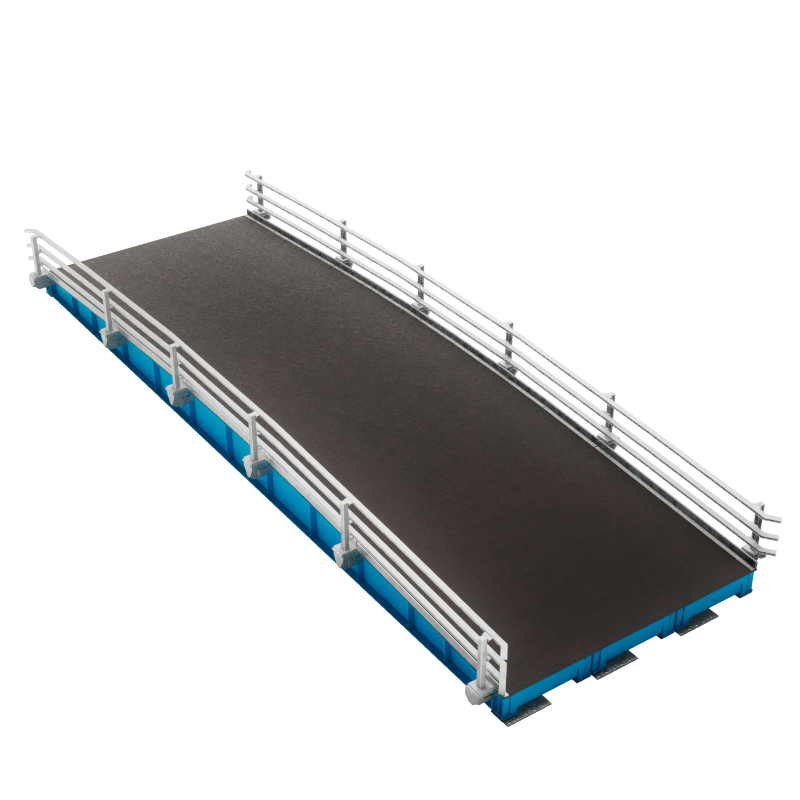
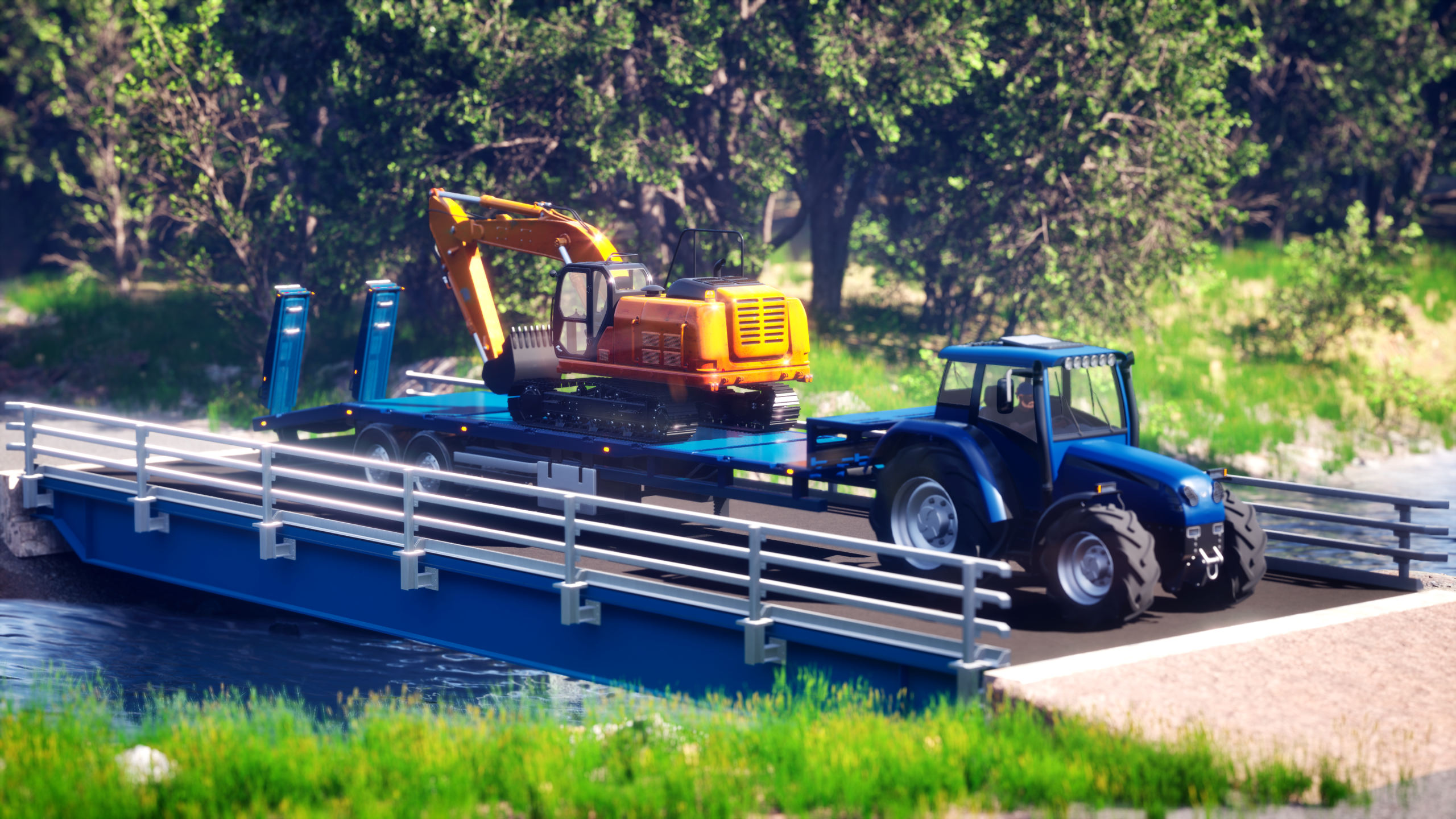
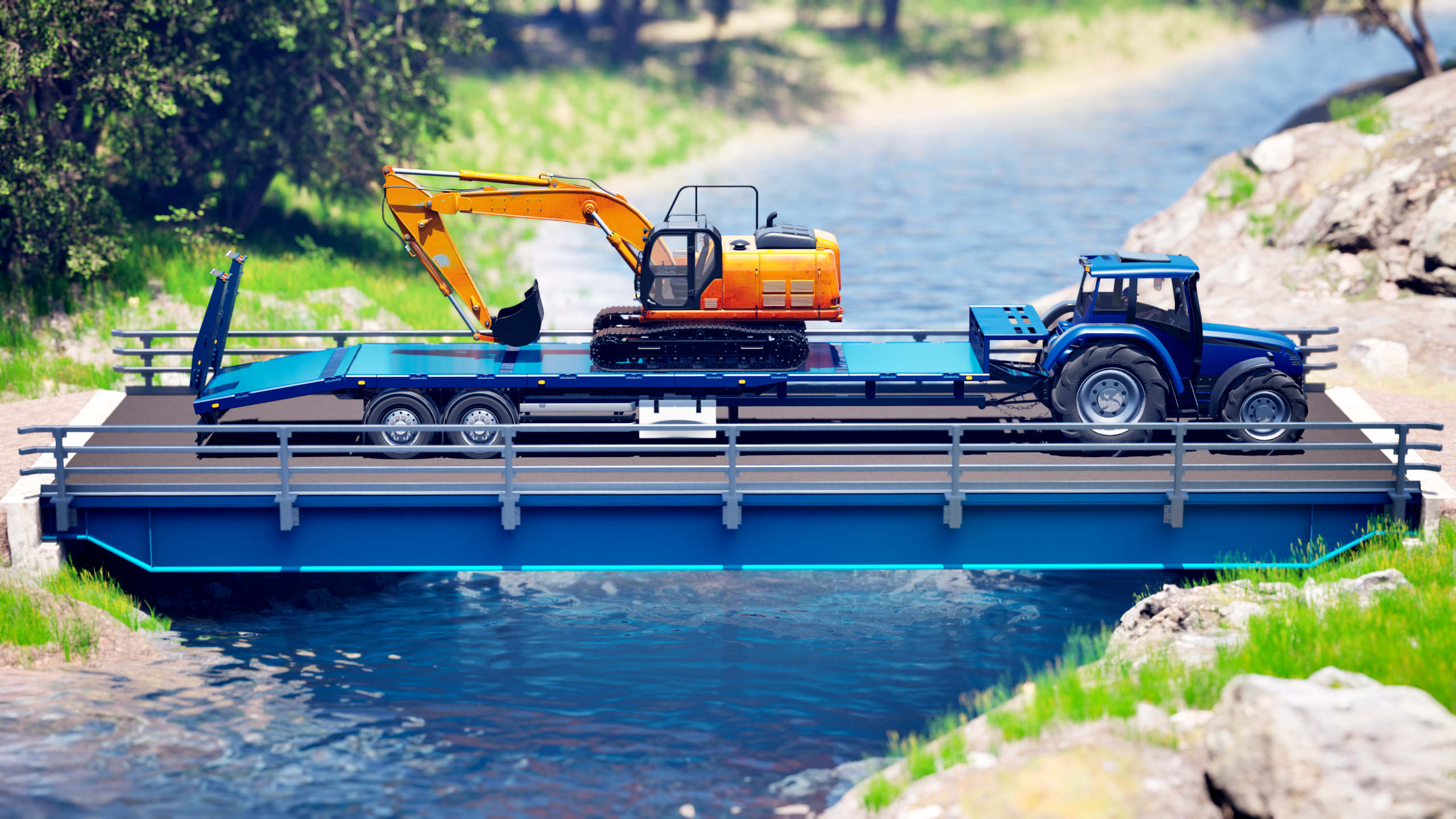
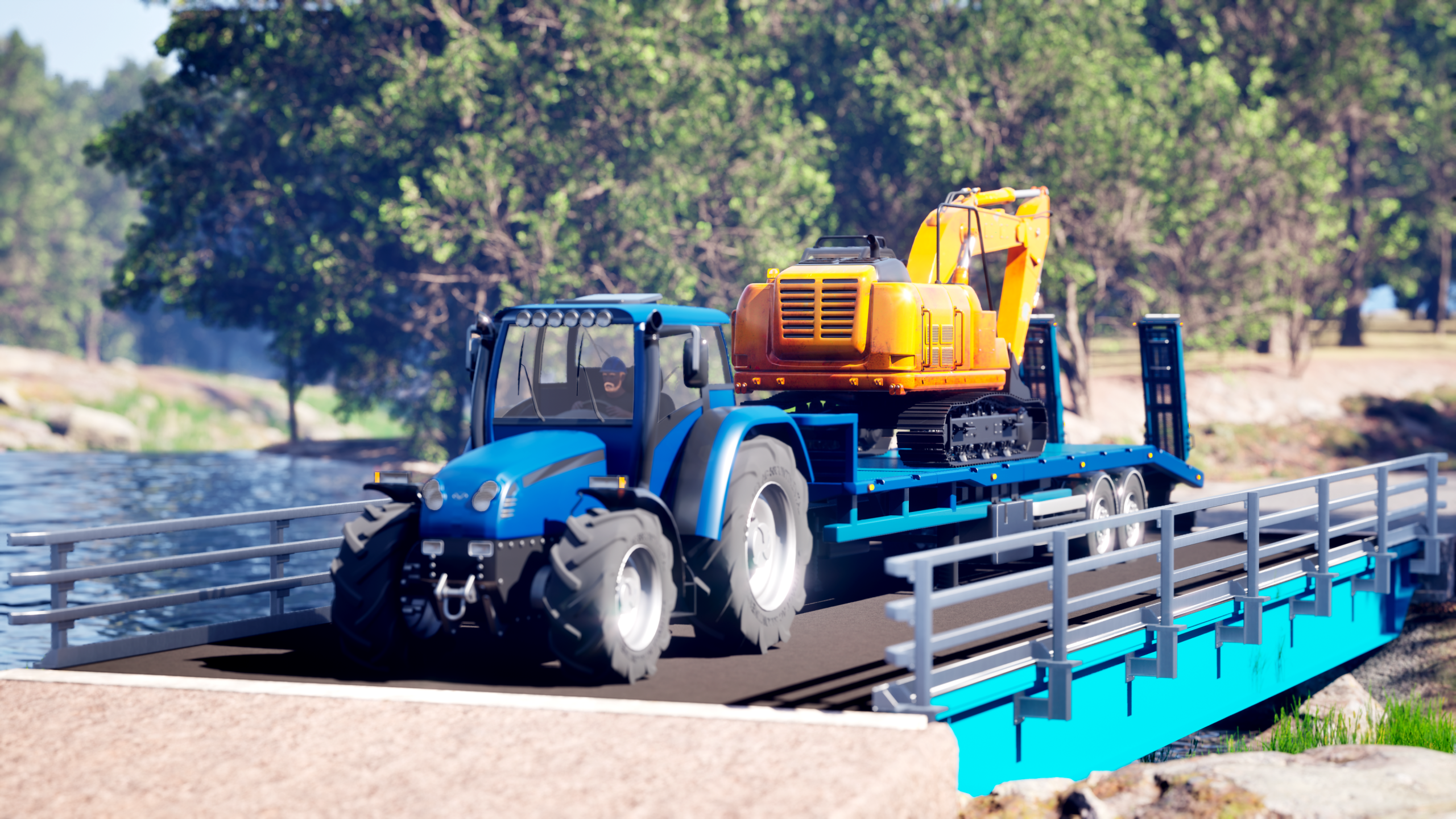
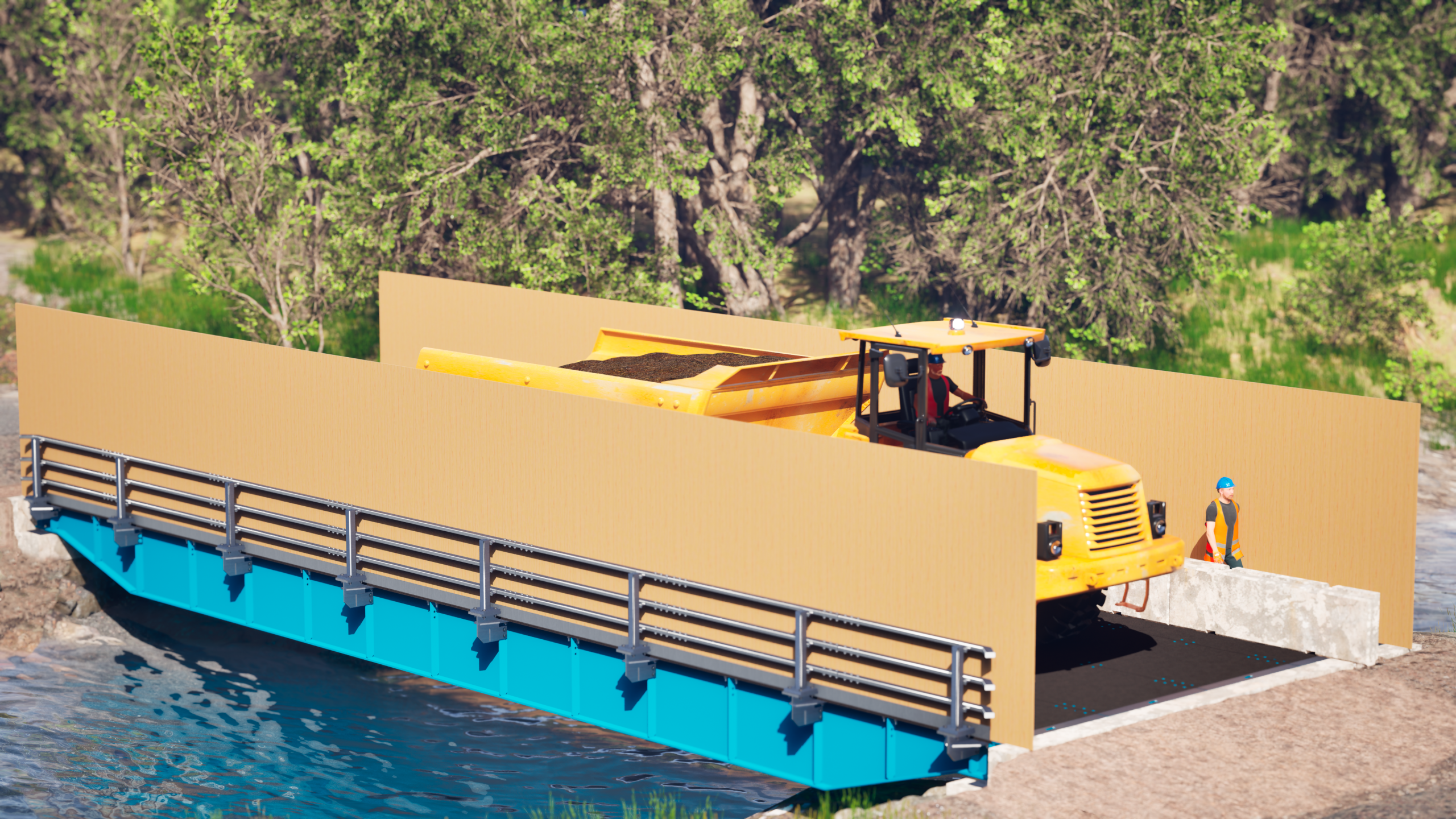
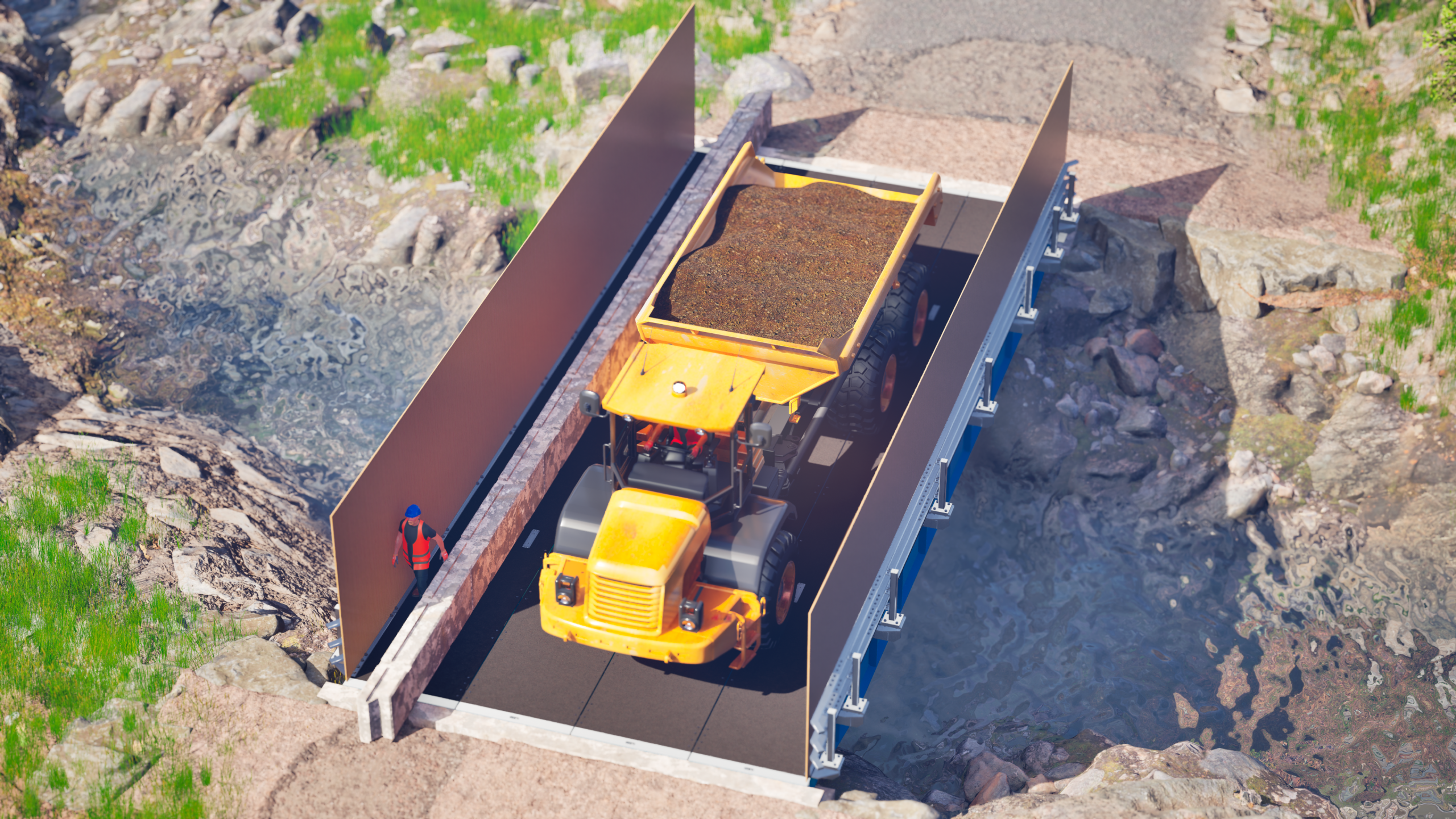
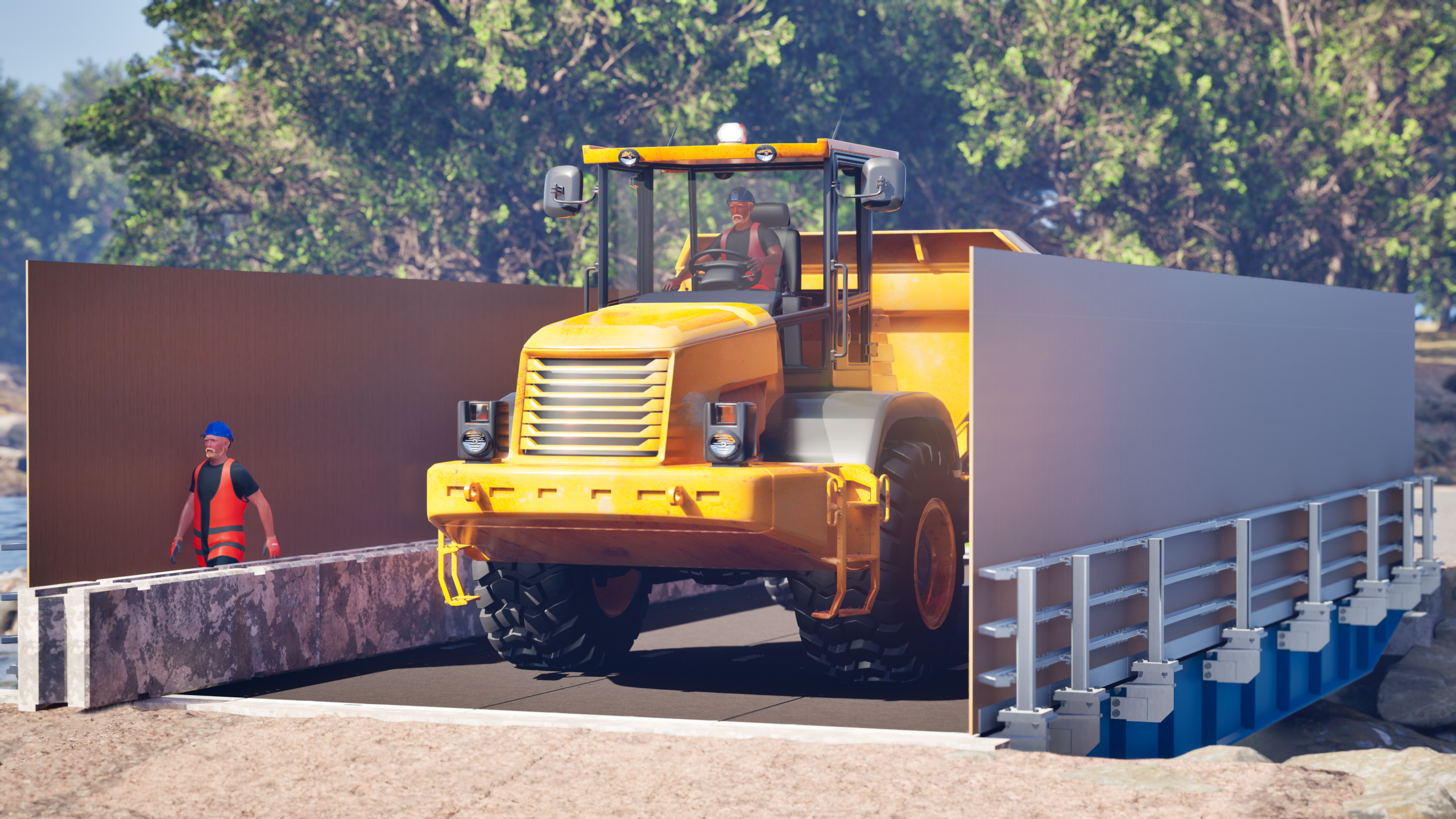
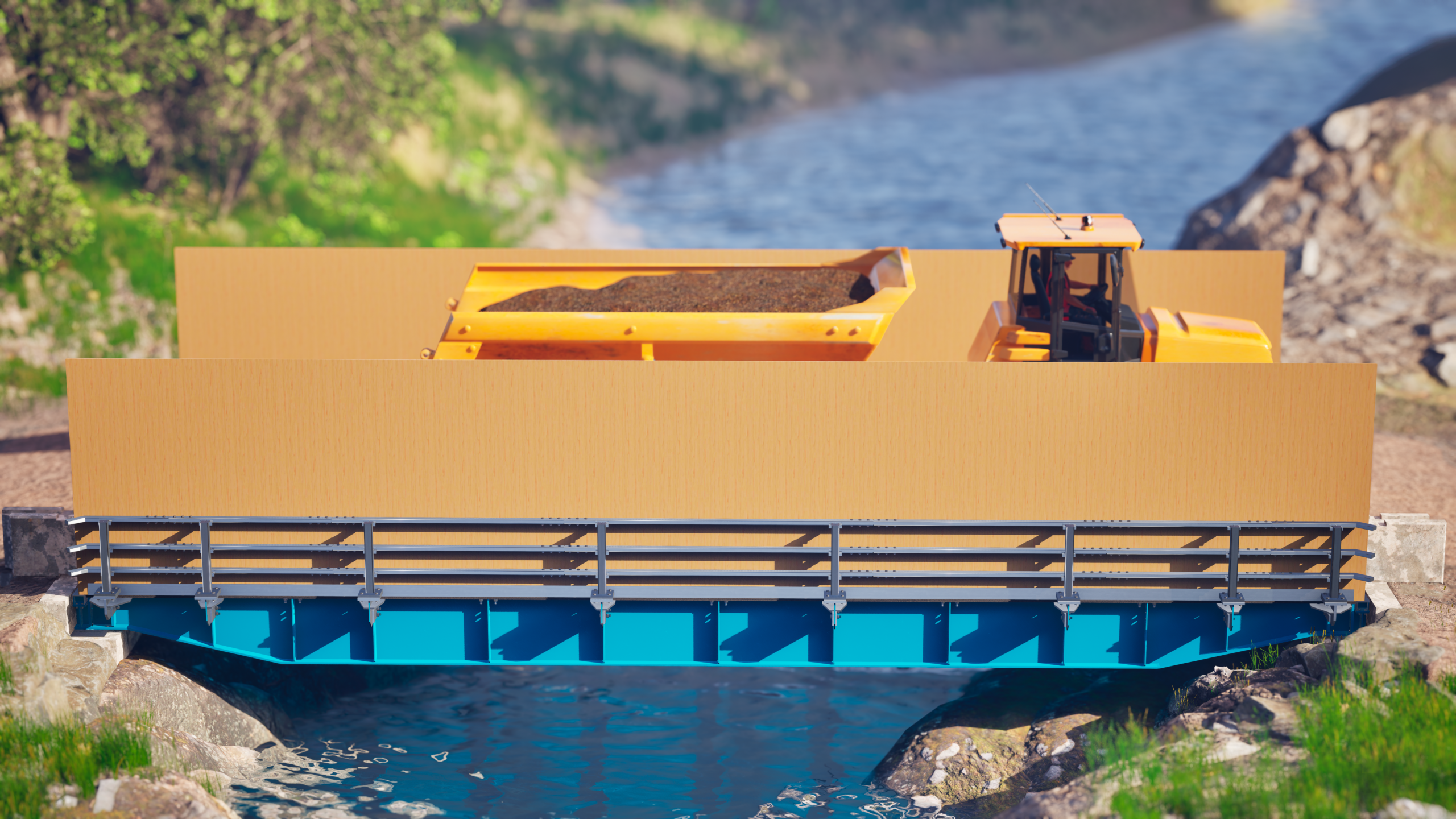
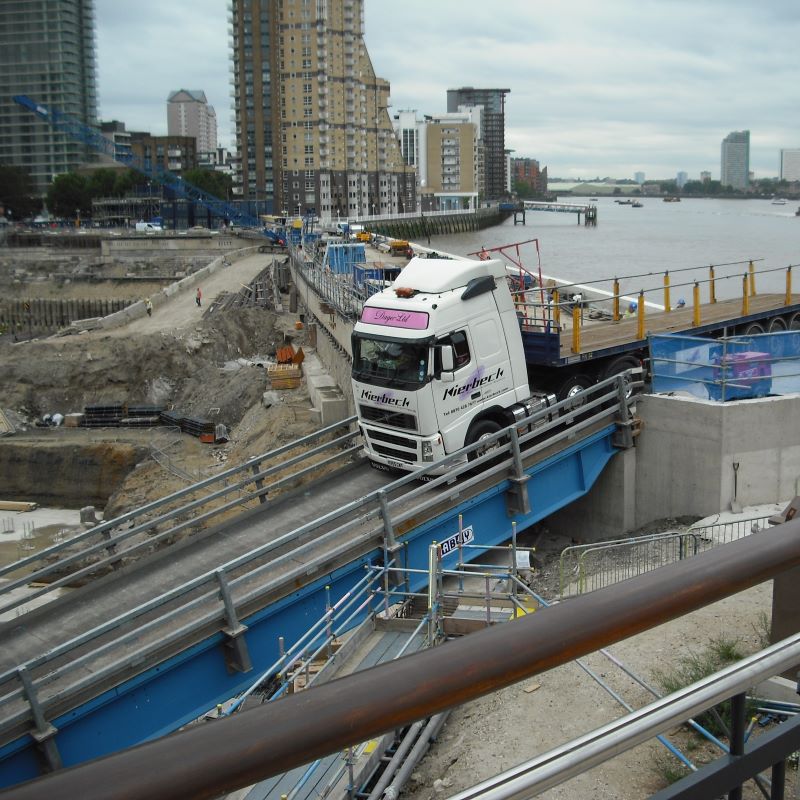
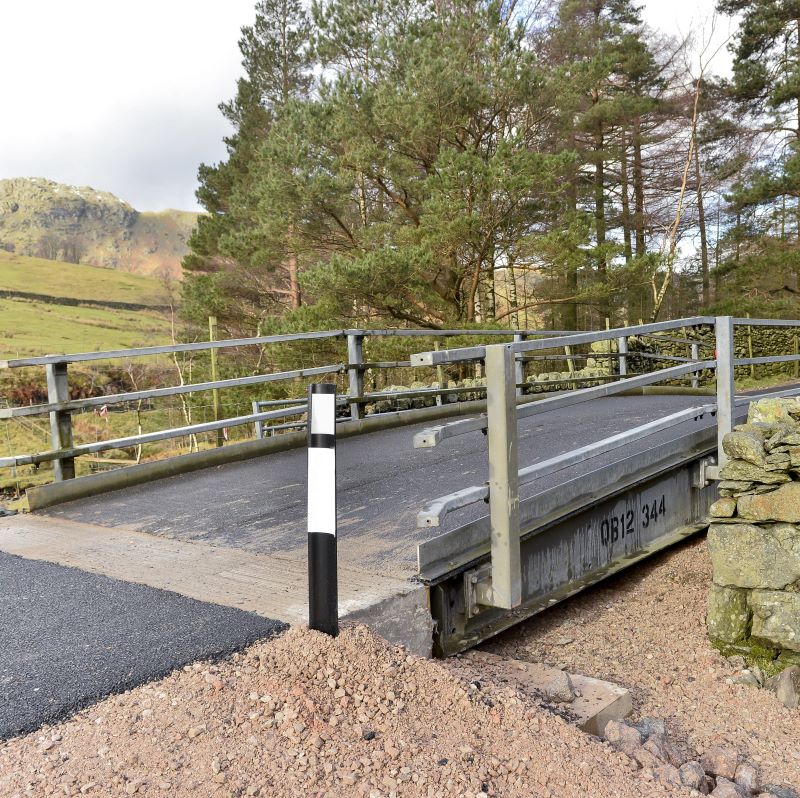
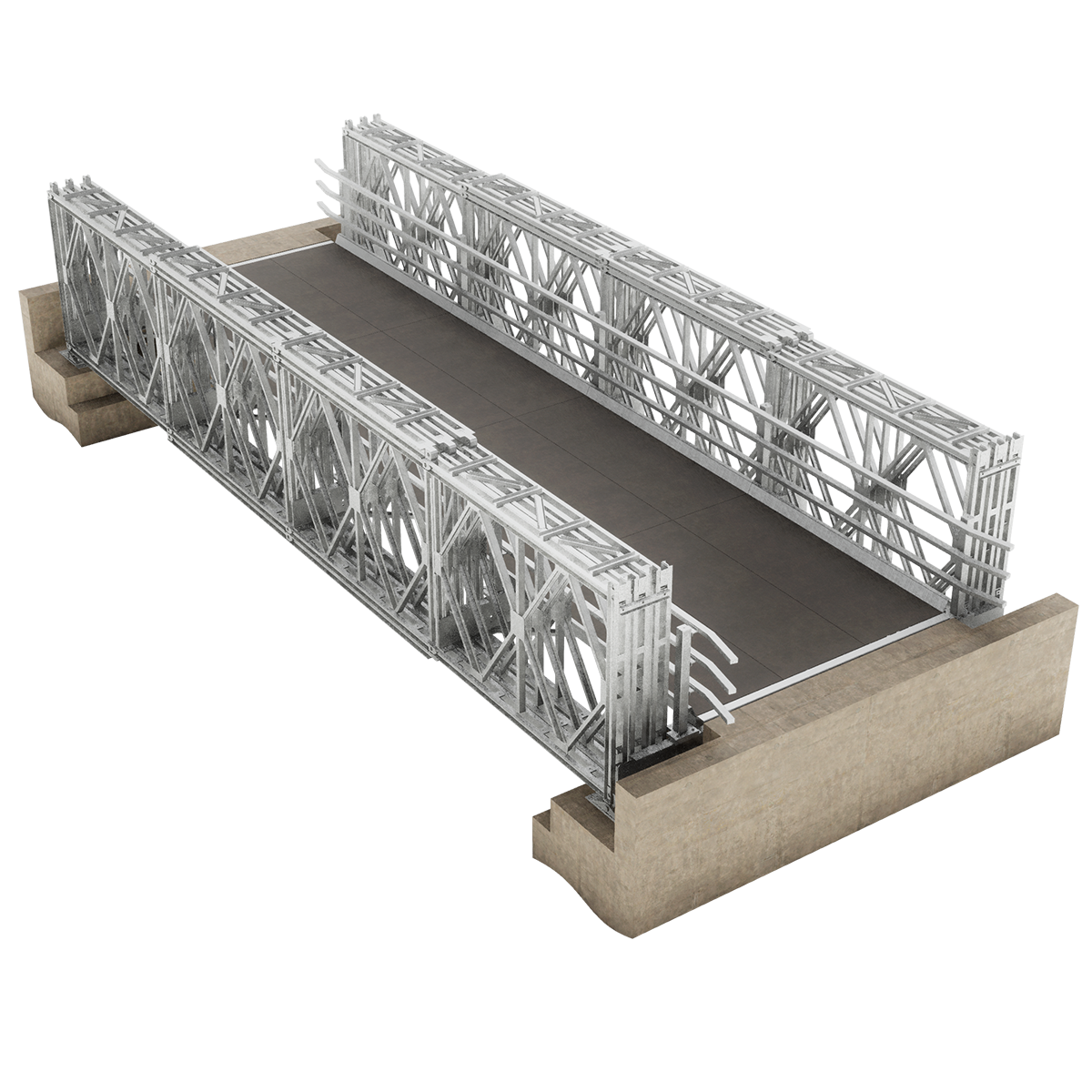
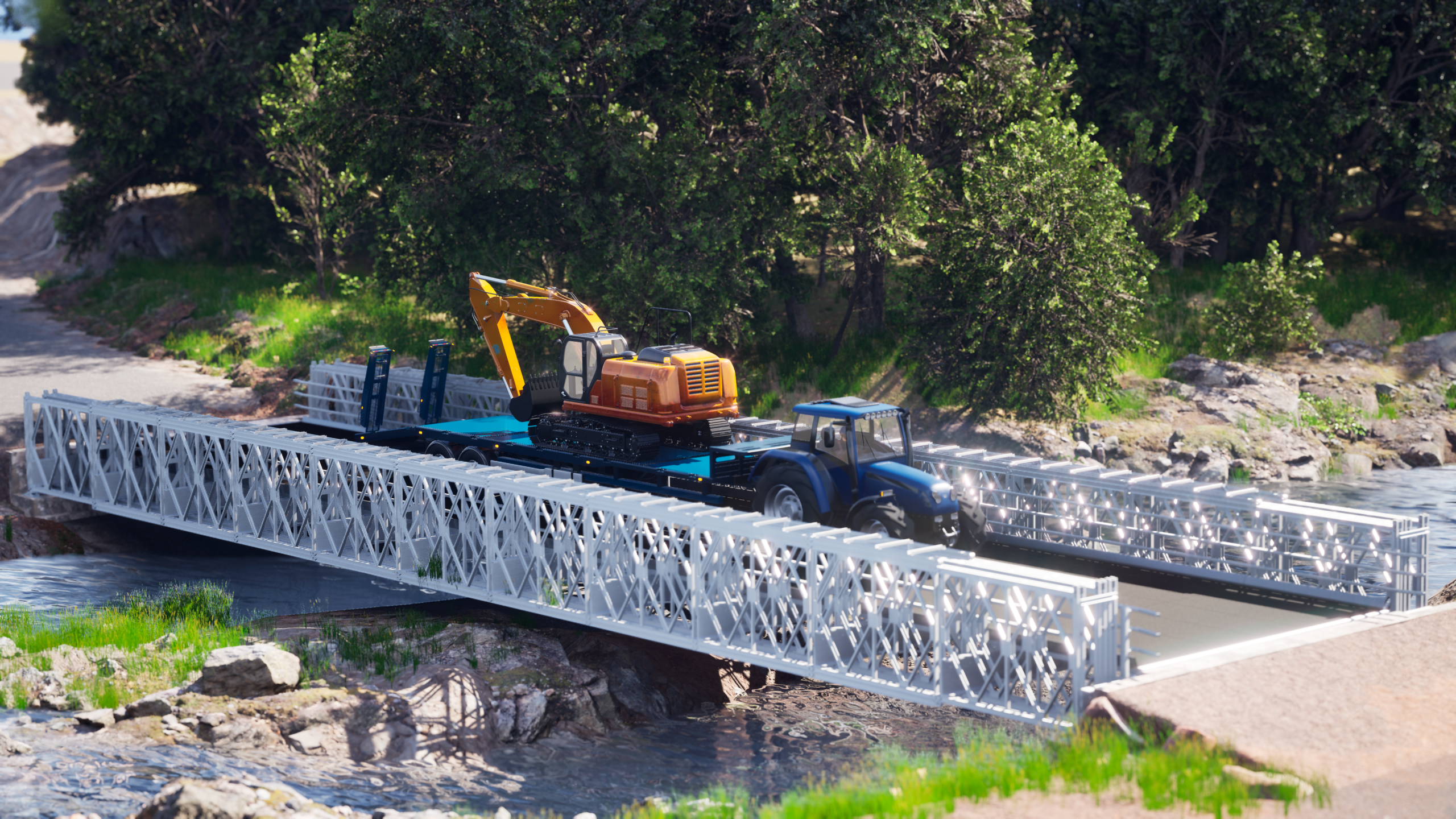
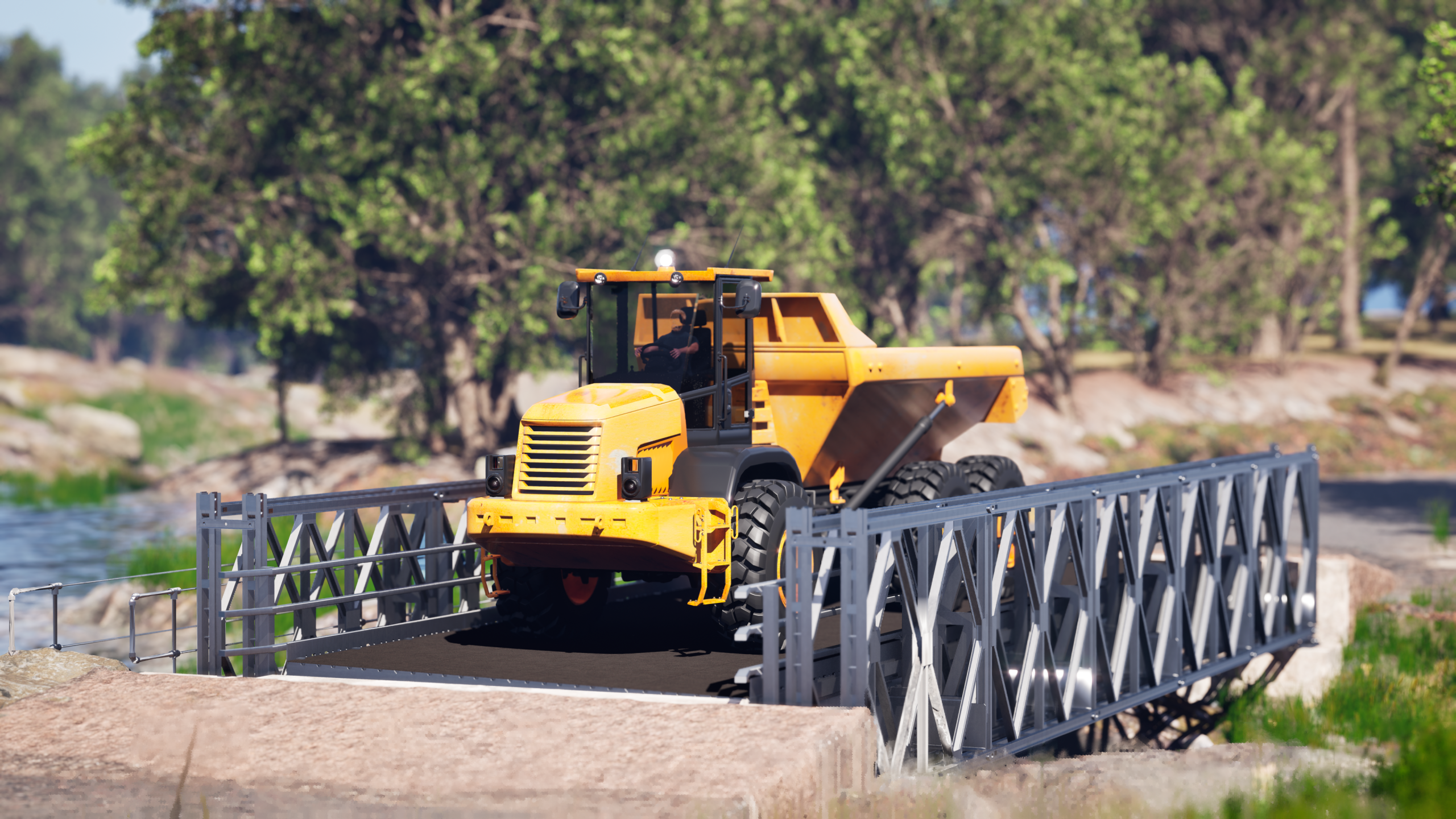
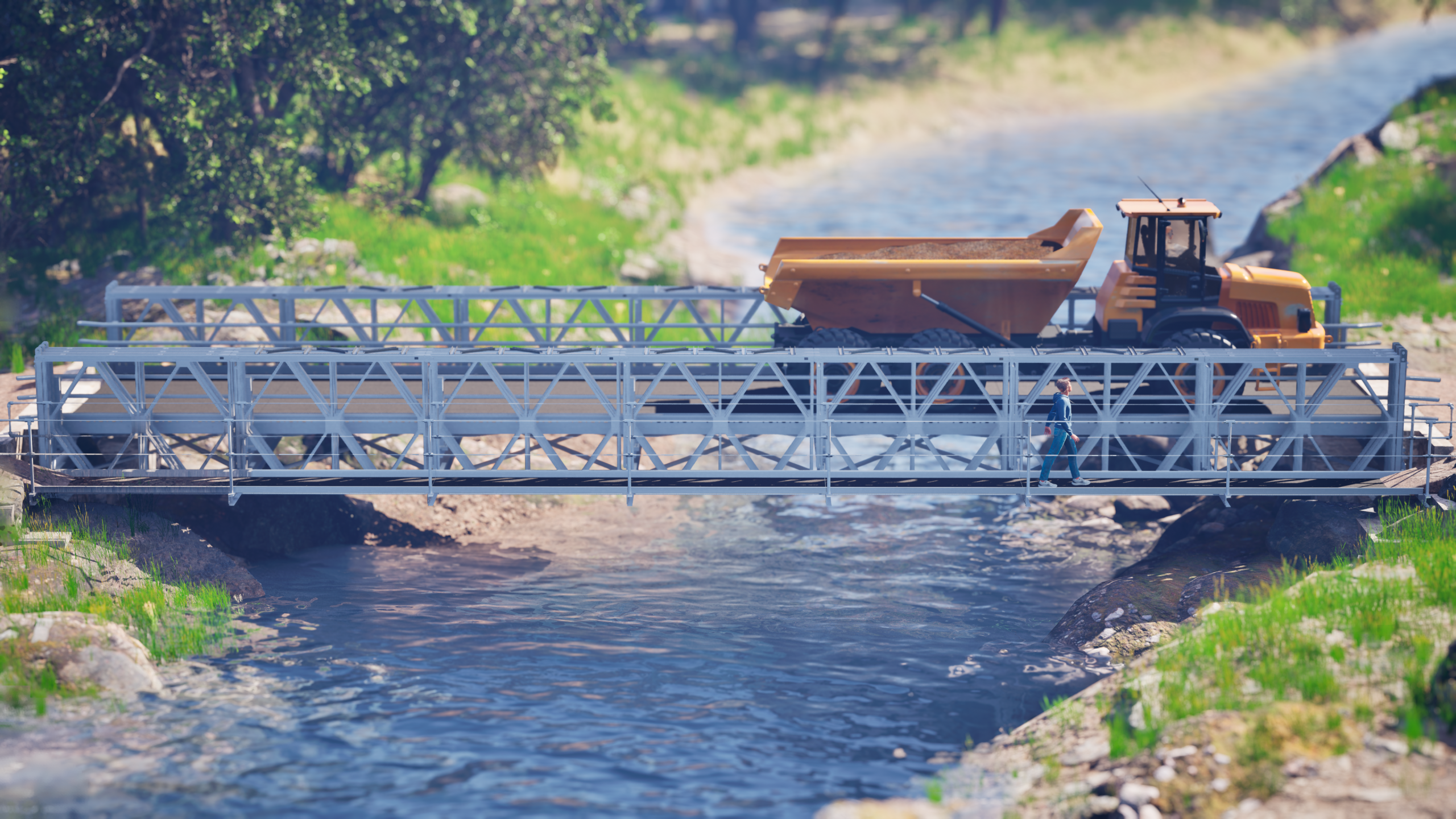
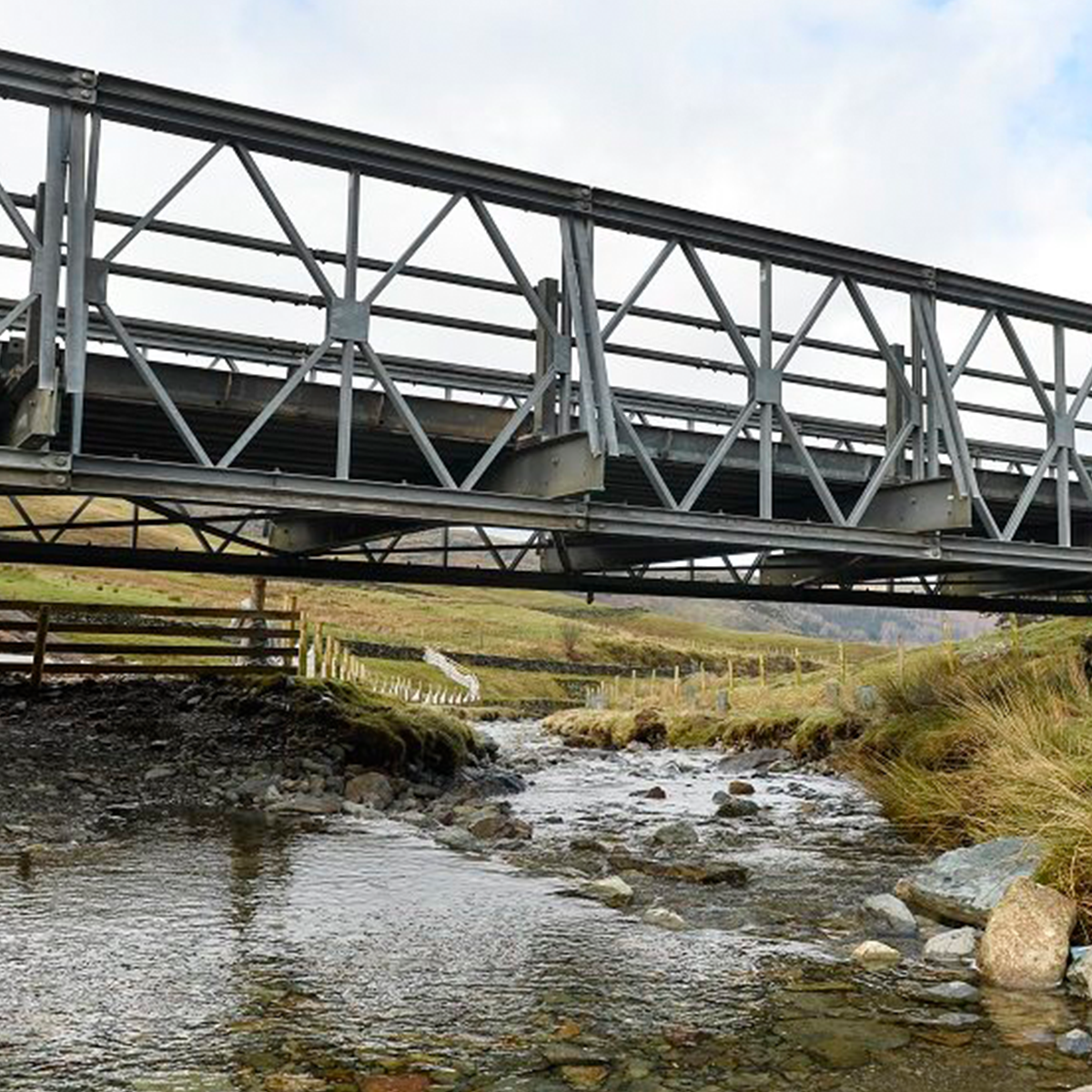
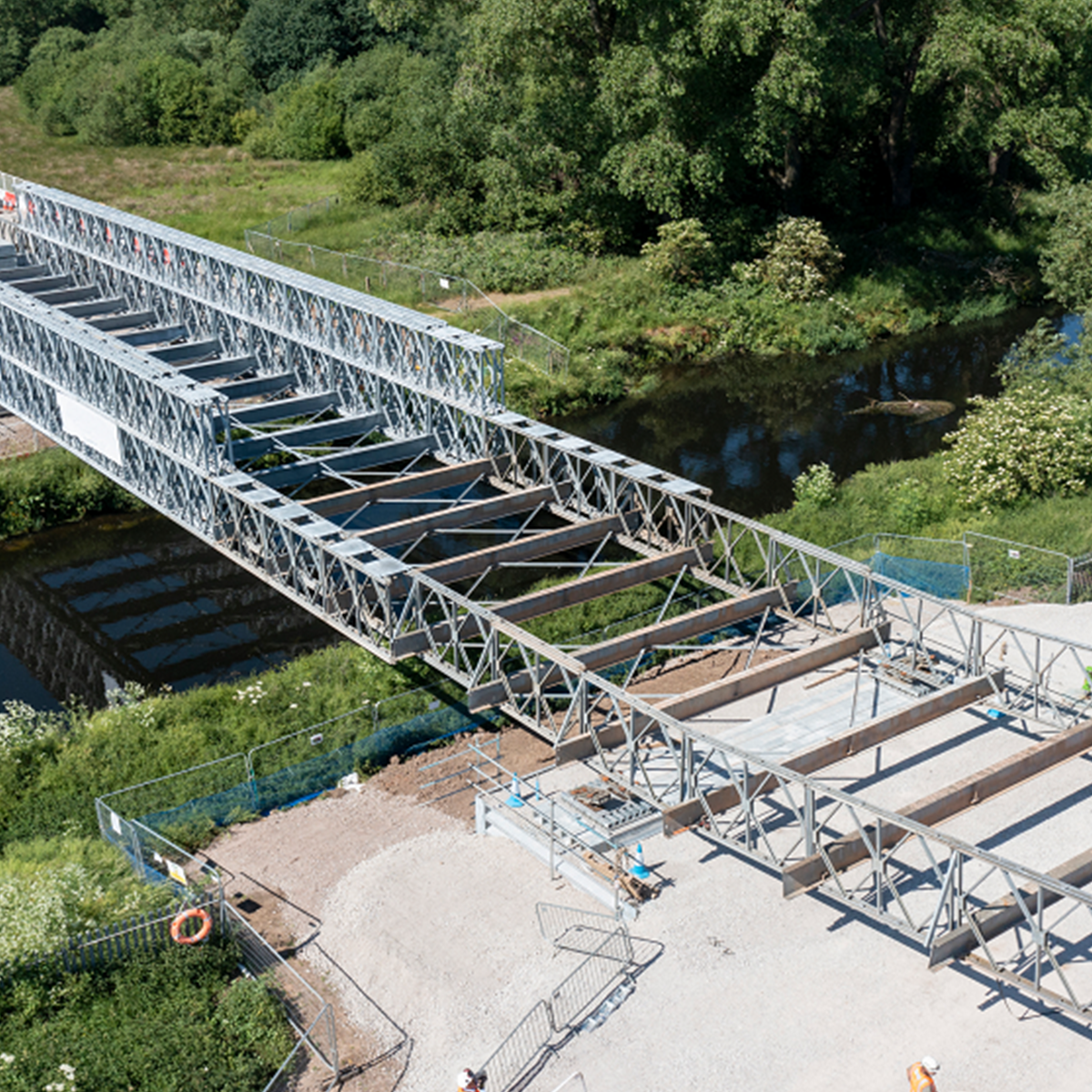
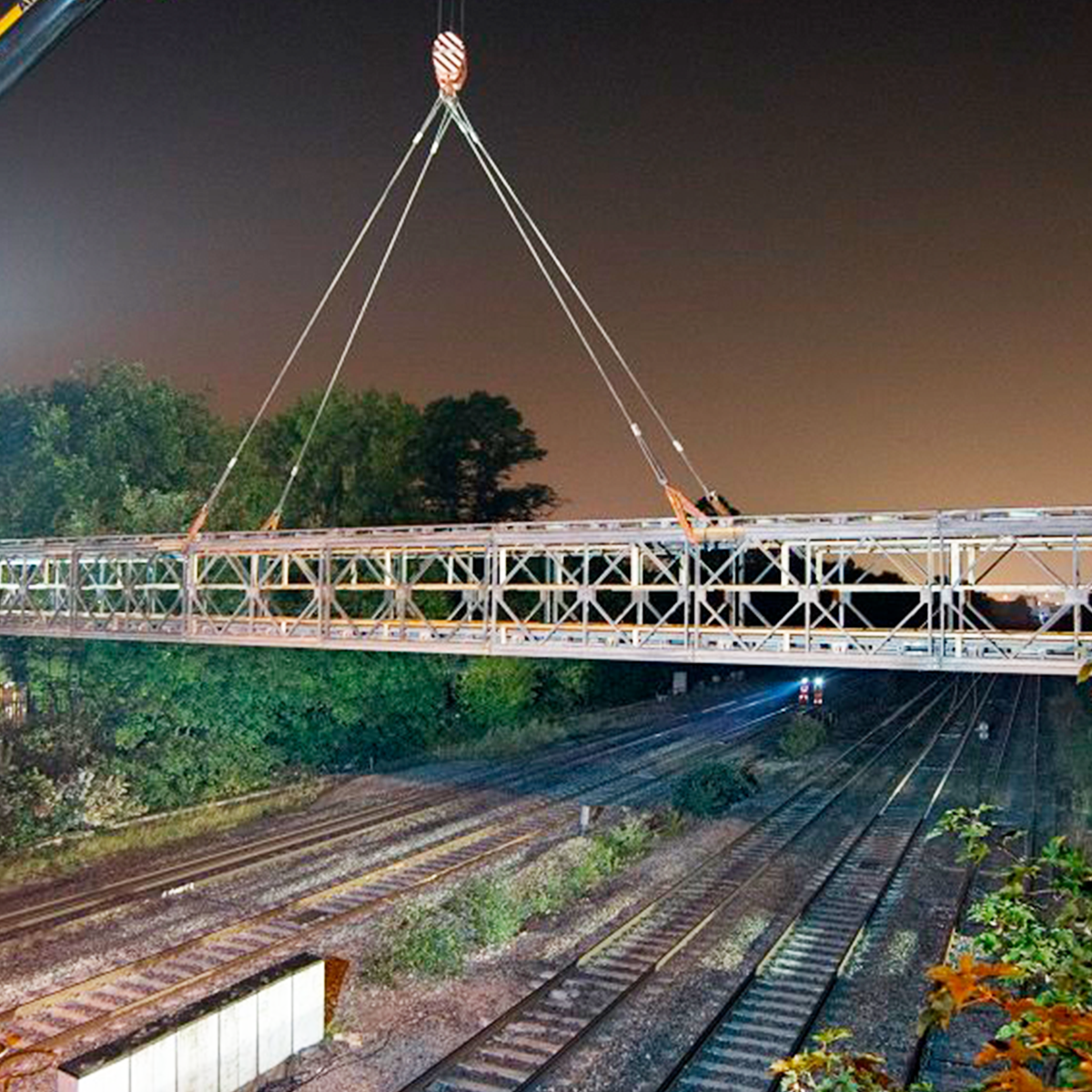
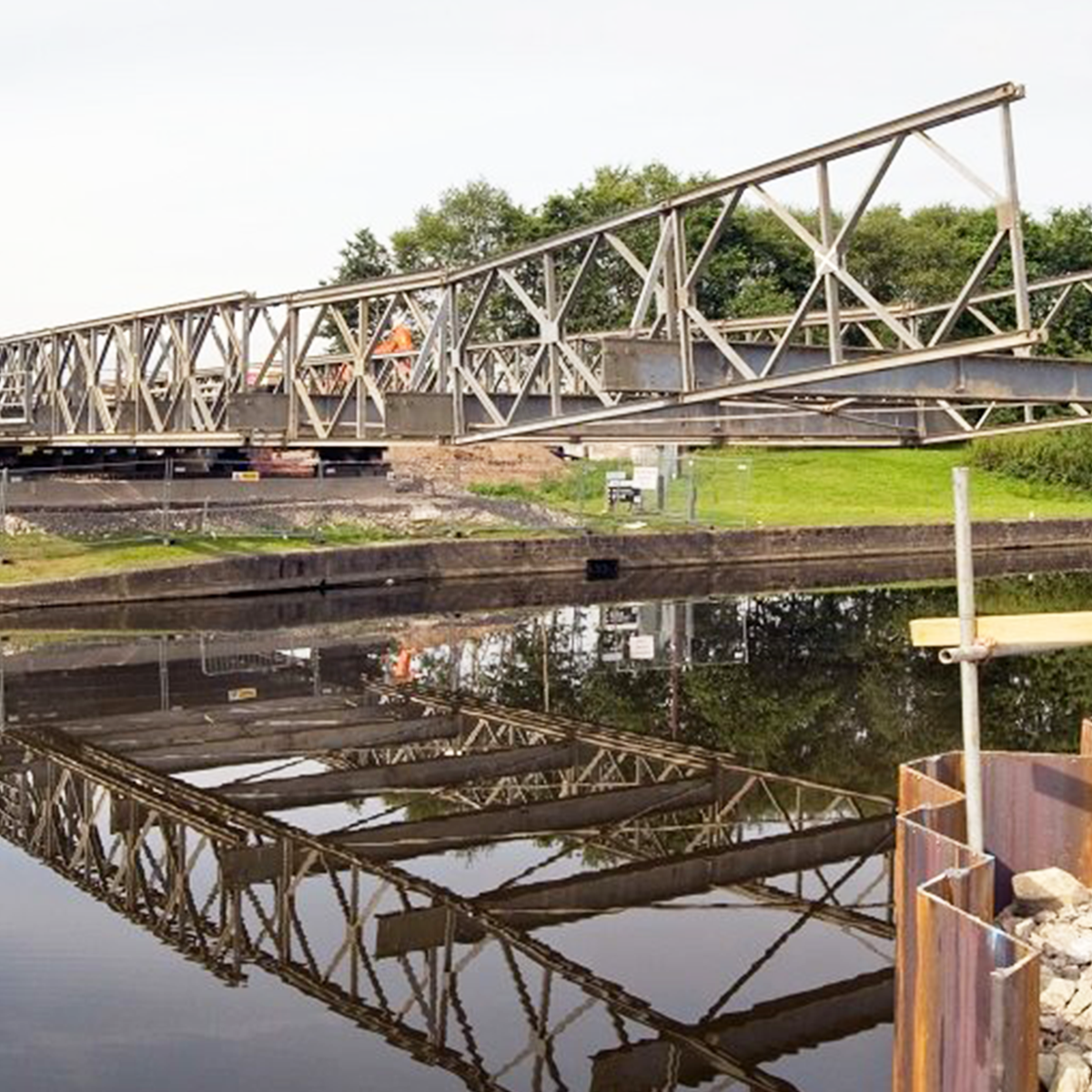
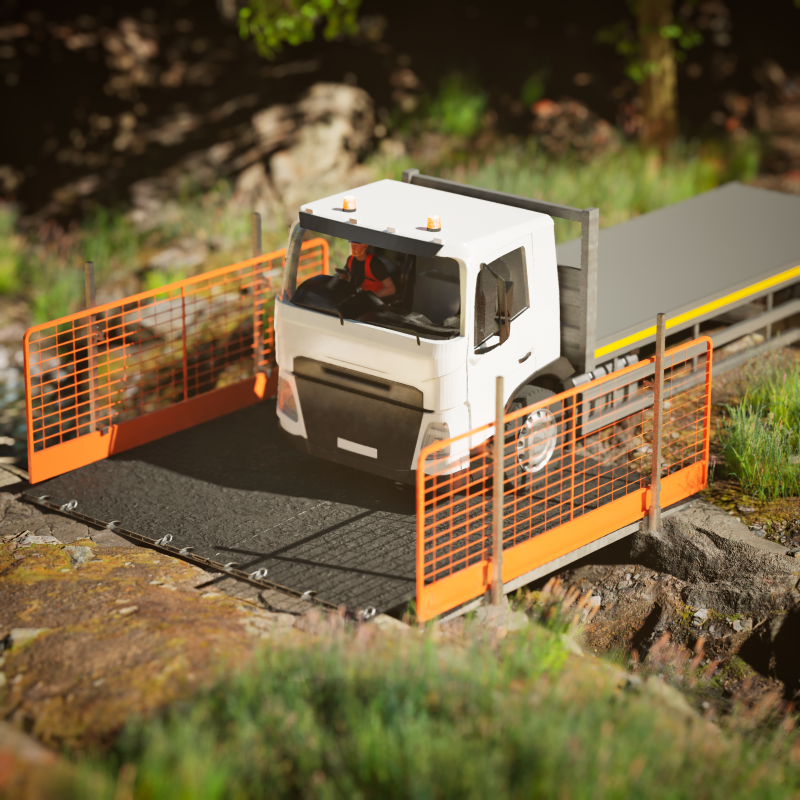
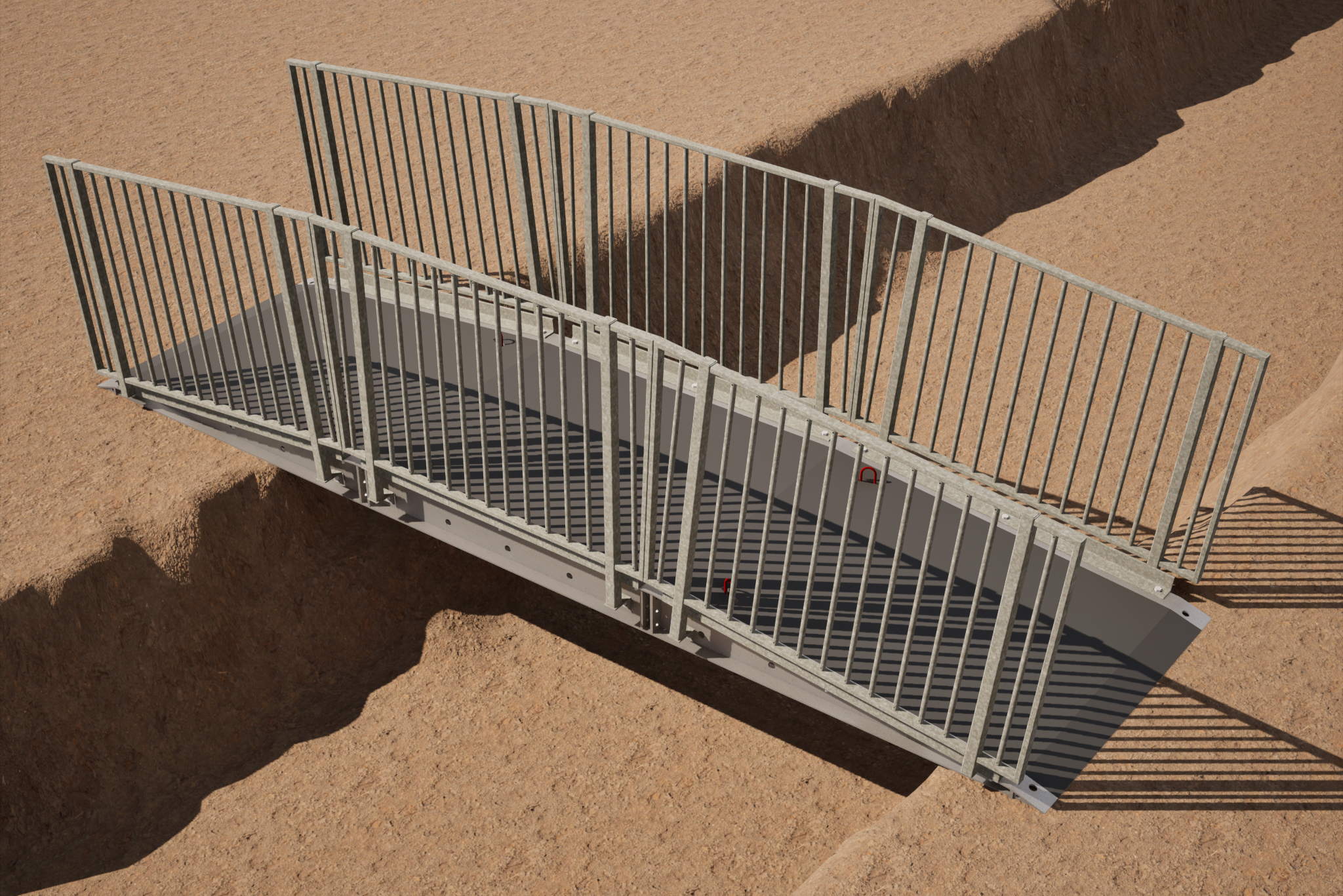
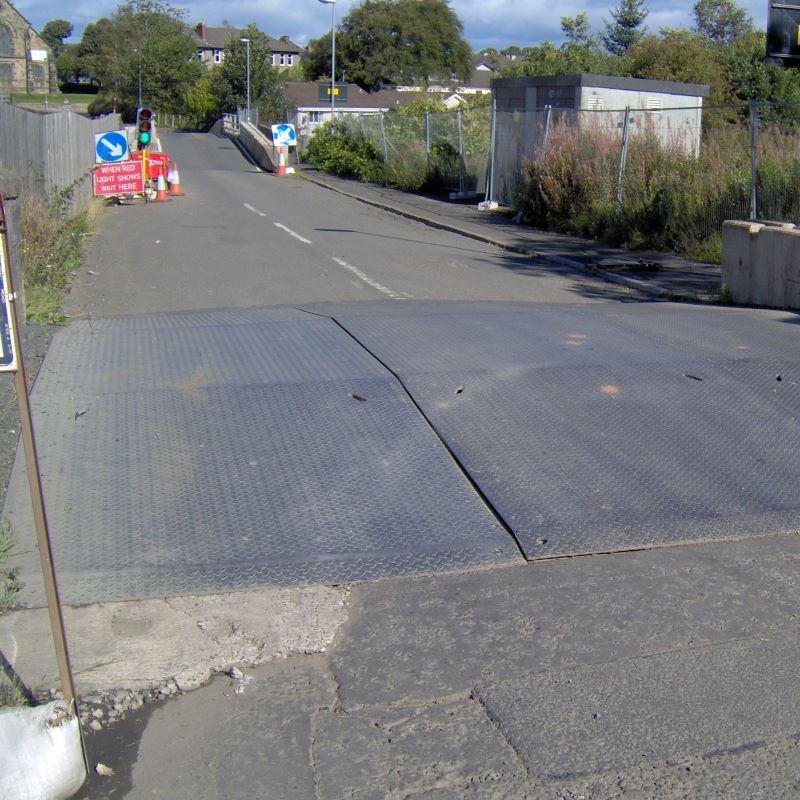
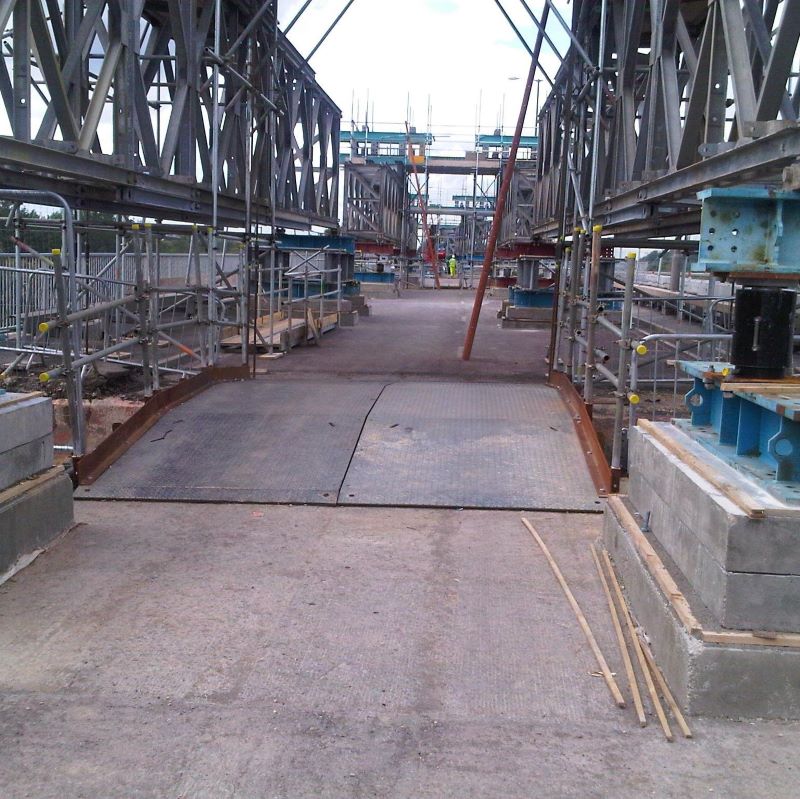
Product TypeTemporary bridging solutions keep projects moving in challenging or restricted environments. Whether crossing roads, rivers or live rail lines, these systems create safe, reliable access for people, vehicles and equipment. Designed to be quick to install and adaptable to different sites, they help minimise disruption while maintaining connectivity and supporting progress where access is limited.

Give us a call
For all project specific design and technical enquiries, please contact your local service team.

Send us an email
If you want to talk to us about your project, send us an email and a brief outline of how we can help and we’ll be in touch.
action@mabeyhire.co.ukFAQs
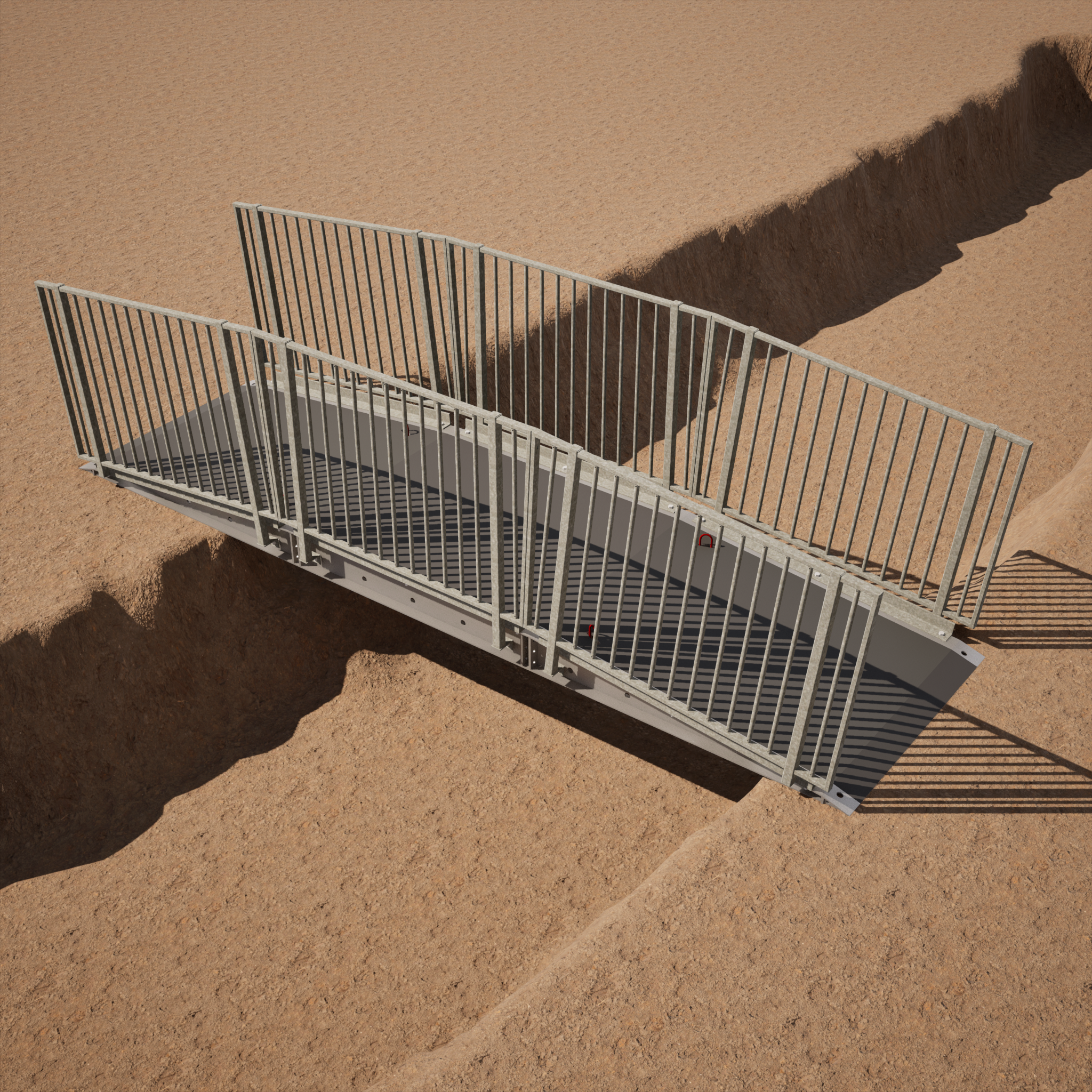
Temporary bridging in construction refers to a short-term, provisional structure designed to provide safe and functional access over gaps, obstacles, or uneven terrain during a construction project. It serves as a bridge between two points, allowing workers, vehicles, and materials to pass across areas that would otherwise be inaccessible or unsafe, such as rivers, ravines, roads, or construction zones.
Temporary bridges are used for a specific period until the construction work is completed or a more permanent bridge or infrastructure is in place. These temporary structures are not meant to be permanent. They are often modular and designed to be assembled and disassembled quickly and efficiently. Temporary bridges can also support or stabilise existing structures during renovations or repairs as a support system for ongoing work.
Typical scenarios for temporary bridging include:
- Construction sites: Where a permanent structure is being built and temporary access is required.
- Transportation and logistics: To allow the flow of vehicles and materials over difficult terrain.
- Event and emergency management: This is for crowd and vehicle management in case of roadworks or natural disasters.
Temporary bridging is required in various scenarios, particularly in construction and civil engineering projects where immediate access is needed, but a permanent bridge or structure cannot be completed or is impractical in the short term. Some common situations where temporary bridging is necessary include:
- Construction across natural barriers: Temporary bridges are often installed to allow construction vehicles and workers to cross rivers, ravines, streams, or gorges safely during the project.
- Site accessibility: On large construction sites with uneven terrain, gaps, or complex layouts, temporary bridges help move heavy machinery, equipment, and personnel from one area to another.
- Road or bridge repairs: When existing infrastructure like roads or bridges needs to be repaired or replaced, temporary bridges ensure that traffic or pedestrian flow is maintained without causing significant disruptions.
- Pedestrian or vehicle detours: During the construction of permanent roads or bridges, temporary structures may be needed to provide an alternate route for traffic or pedestrians.
- Support for existing structures: Temporary bridges are also used to provide structural support to existing bridges or buildings that are undergoing renovations or that have suffered damage and need stabilisation.
- Event and emergency management: Temporary bridges can be rapidly deployed in natural disasters, accidents, or events to provide emergency access where permanent infrastructure has been compromised or is unavailable.
In general, temporary bridging is needed whenever there’s a requirement to cross a gap or barrier that would otherwise disrupt the flow of people, materials, or equipment during construction, renovation, or emergency operations.
The frequency of inspection and maintenance for temporary bridges depends on factors like design, materials, load, and environmental conditions. Regular inspections ensure structural integrity and prevent accidents or delays. Key guidelines include:
- Pre-installation inspection: Check components for defects before assembly.
- Initial inspection: After installation, ensure proper assembly and stability.
- Routine inspections: Conduct inspections regularly, ranging from weekly to every 2-3 months, depending on traffic and environmental stress.
- Post-event inspection: Inspect after extreme weather or unexpected events like collisions or overloading.
- Maintenance checks: Regularly tighten bolts, check supports, and replace worn components.
- Final inspection: Ensure the bridge is safe for dismantling after use.
The load capacity of a temporary bridge is determined through engineering analysis, material selection, and design standards such as:
- Design specifications: Load capacity depends on live loads (traffic), dead loads (bridge weight), and dynamic loads (vibration/impact).
- Material strength: The bridge material’s tensile strength and stress resistance affect its load-bearing ability.
- Span length and supports: Longer spans need stronger materials or more supports to handle loads.
- Factor of safety: Bridges are designed to handle more than the anticipated maximum load to account for unforeseen conditions.
- Load testing: Testing verifies the bridge’s ability to handle loads after installation.
Standards compliance: National/international codes ensure safety and reliability.
Weather conditions can significantly impact the performance and safety of temporary bridges:
- Rain and Flooding: Heavy rain can erode soil around supports, weakening foundations. Flooding may submerge the bridge, causing damage or displacement, and increased water flow can stress the structure, especially if debris accumulates.
- Snow and Ice: Snow and ice create slippery surfaces, increasing accident risks and adding weight, potentially overloading the bridge. Freeze-thaw cycles can crack and weaken materials.
- Wind: Strong winds exert lateral forces, risking instability, and may blow debris onto the bridge, causing damage or obstructions.
- Extreme Heat: High temperatures cause thermal expansion, potentially warping materials, while prolonged heat or UV exposure degrades certain materials, reducing their strength.
Temporary bridges are typically constructed from the following materials:
- Steel: Known for its high strength and durability, it is commonly used in temporary bridges supporting heavy vehicles and machinery. It provides a solid, reliable framework for high-load applications.
- Aluminium: Lighter and easier to transport than steel, aluminium is corrosion-resistant and ideal for temporary pedestrian bridges or light vehicle crossings. Its easy assembly makes it a popular choice for projects requiring quick setup.
- Wood: Inexpensive and easy to work with, often used in smaller, low-load applications. However, it is less durable than metal and is typically used for short-term solutions or in low-impact environments.
- Composite materials: Fiber-reinforced polymer (FRP) composites offer a high strength-to-weight ratio, corrosion resistance, and are ideal for rapid deployment. These materials are favoured in projects requiring lightweight, durable, and low-maintenance options.
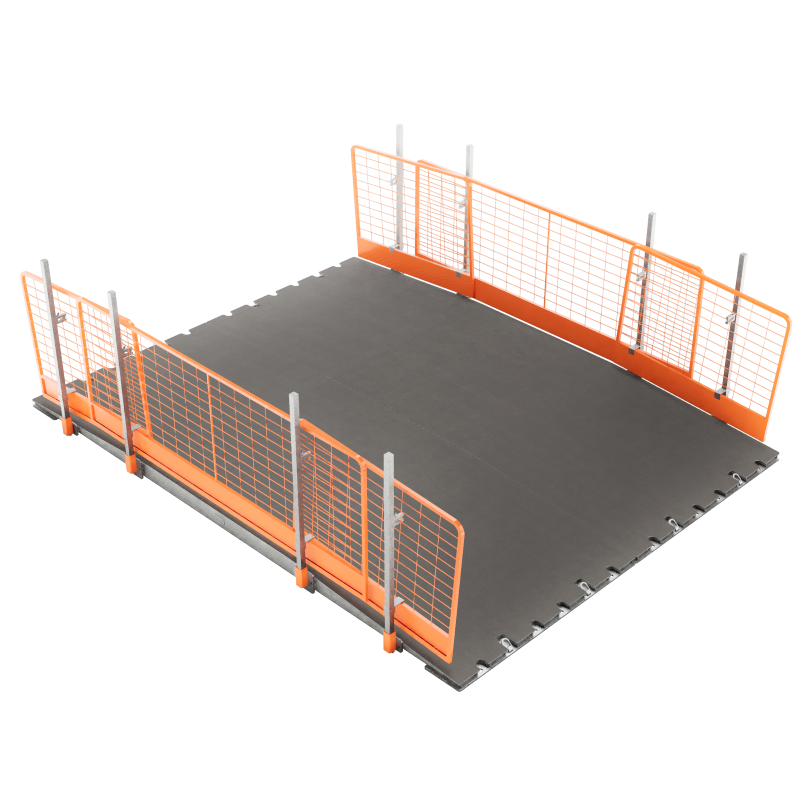
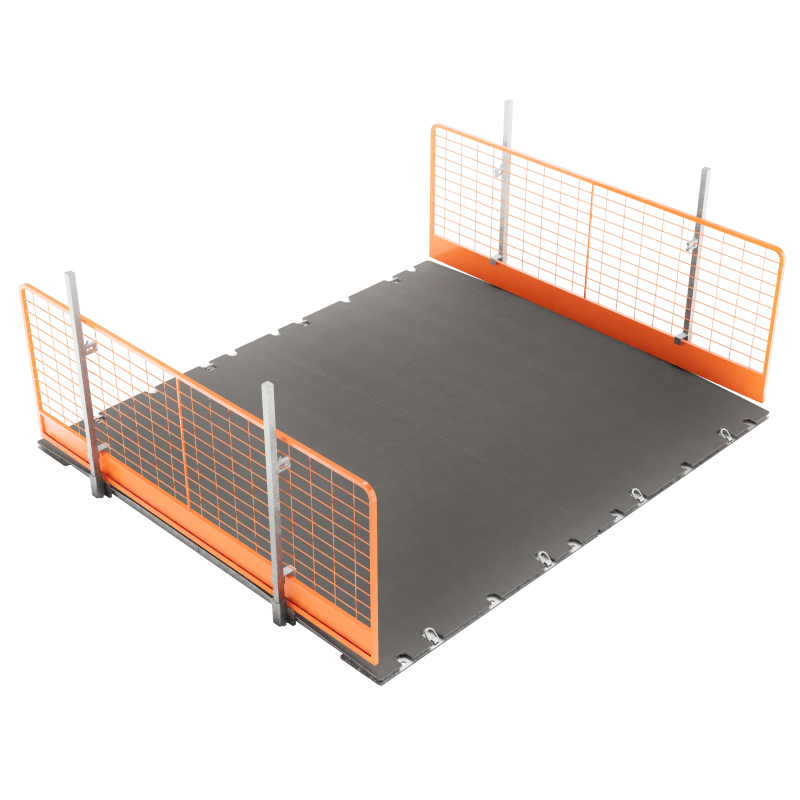
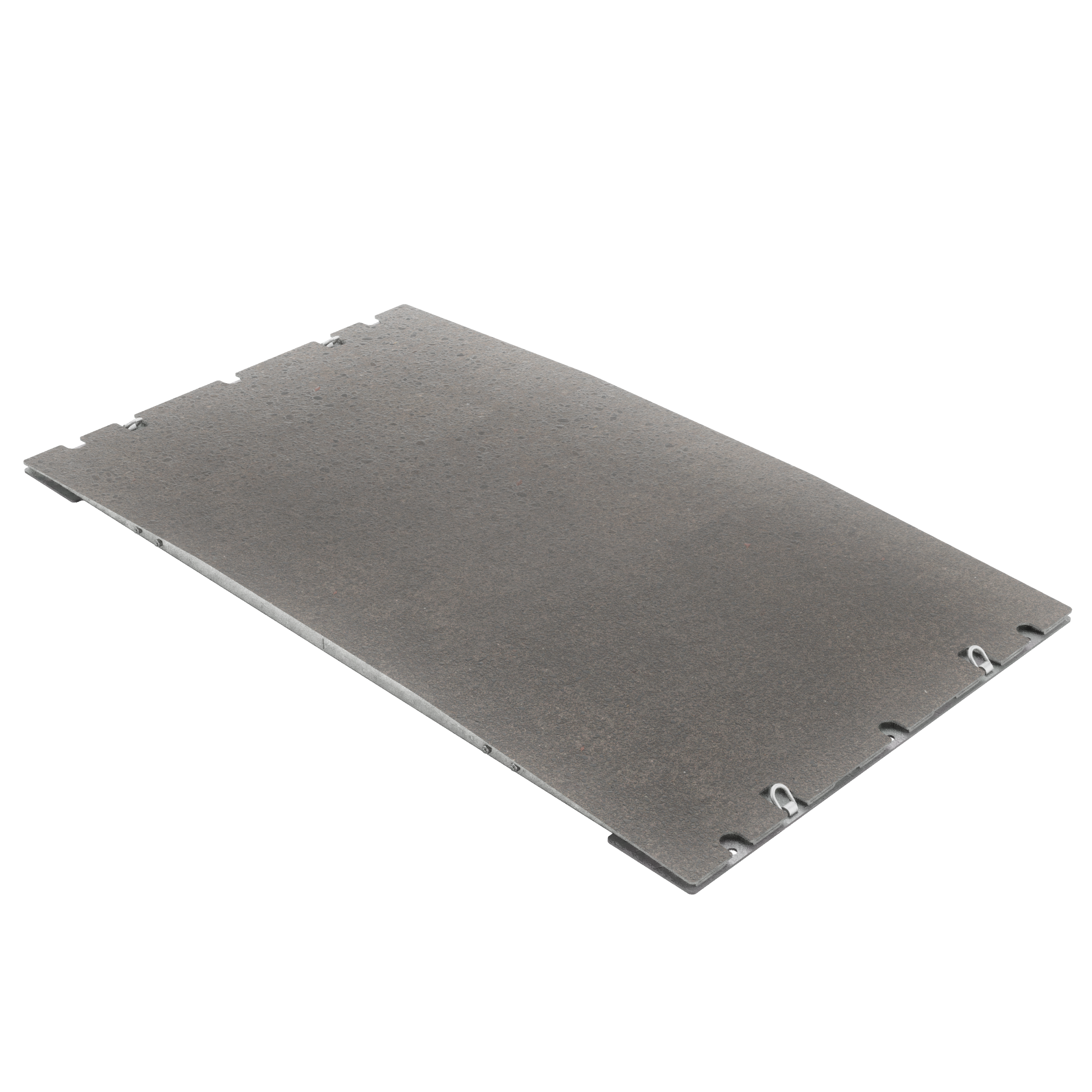
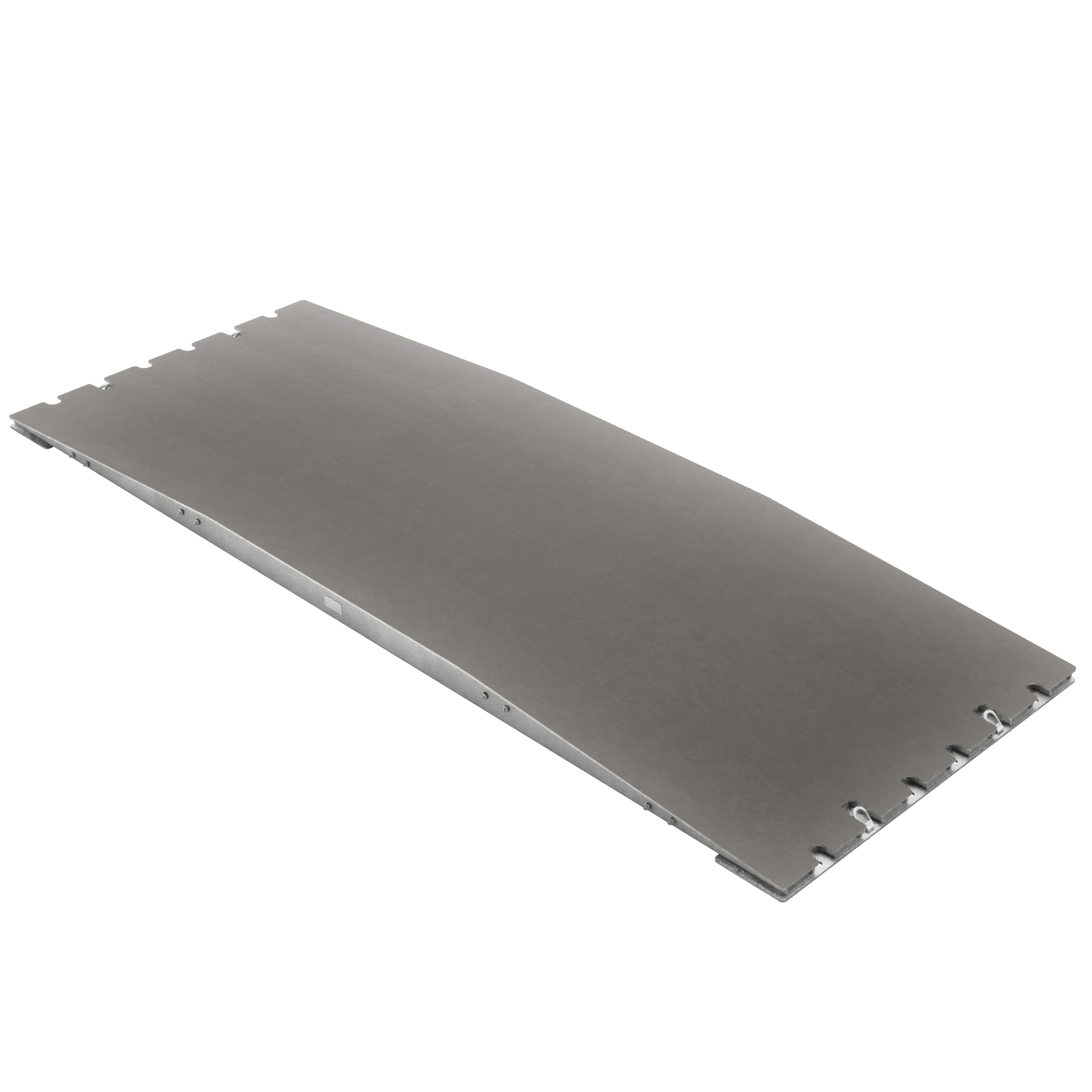
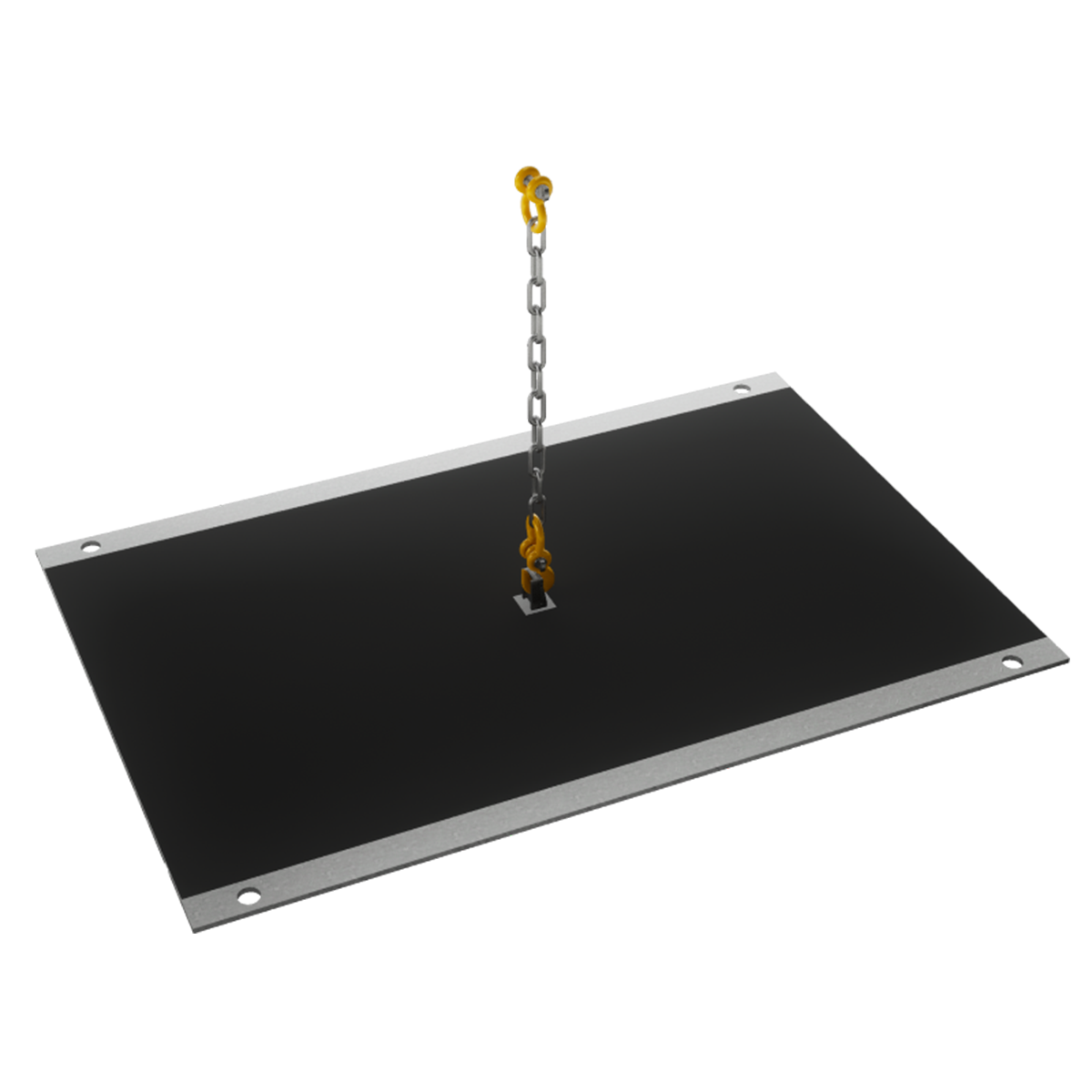
- Ground protection mats: Made from heavy-duty polyethene, ground protection mats stabilise soft or uneven terrain. They prevent damage to the ground and ensure stable access for vehicles and equipment, making them essential in supporting the temporary bridge’s infrastructure.